Korva is a scroll of the internet’s best ideas.

Writing Coal
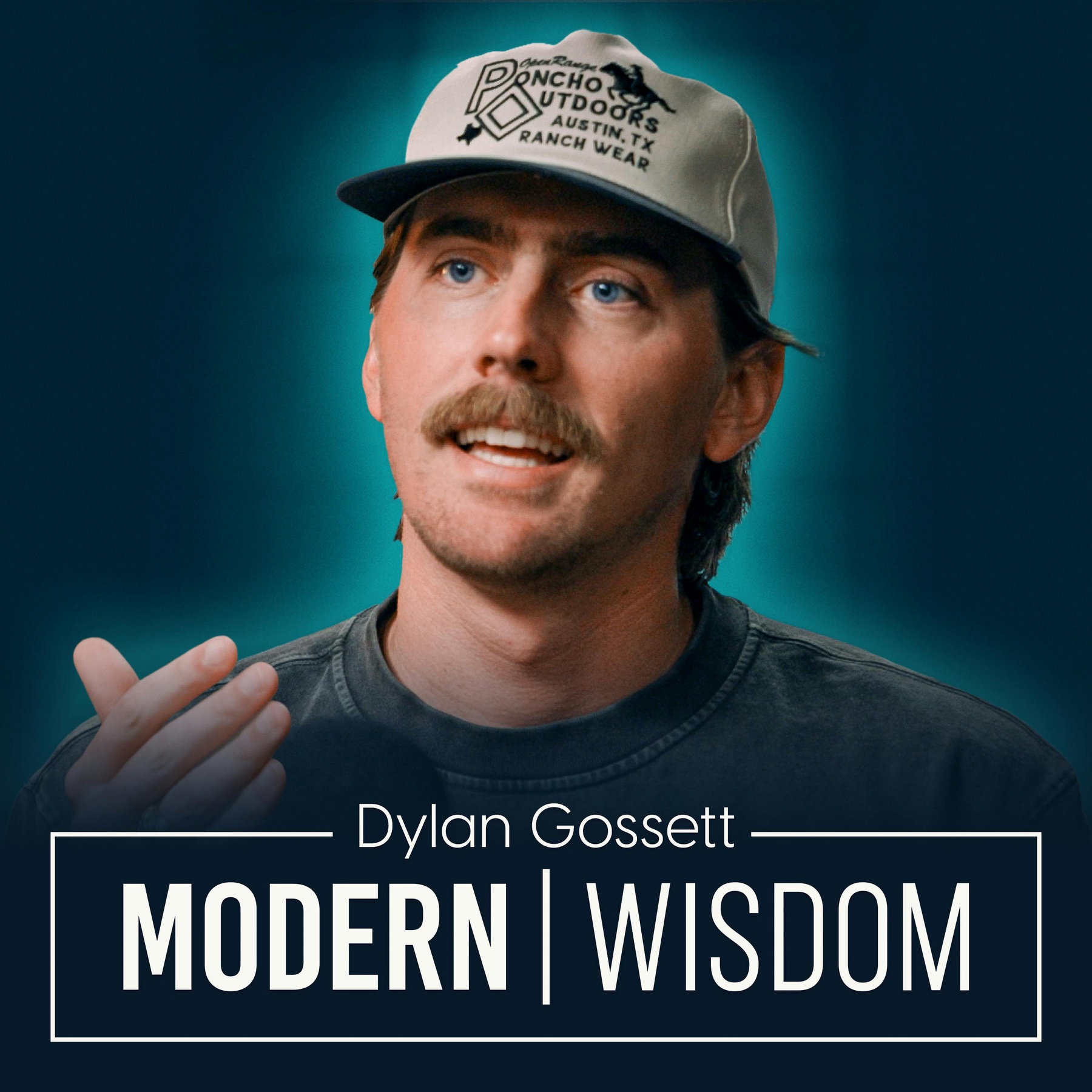
Dylan Gossett built Coal verse by verse around one hook, the line about pressure making diamonds. He typed the lyrics into his phone on top of the dog kennel in his Austin apartment, shortly before heading out with work friends who had no idea he sang.
His wife, Julia, loved the song and spent the night showing people Snapchat videos of it. The friends found out he could sing, and then nothing happened for a year or two, because he had no social media and posted nothing.
The camping trip
The change came on a camping trip with a friend named Caden, who has the best ear of anyone he knows, and Caden's wife, MK. After hearing Coal on guitar, Caden asked for it again, recorded a voice memo, and insisted something had to be done with it. Julia's idea was TikTok, a platform he honestly couldn't stand. He started posting anyway, and Coal became a hit.
Why can a new TikTok account reach millions?
TikTok's For You feed chooses videos largely from how viewers react, such as watch time, replays, likes, and shares, rather than from how many followers the poster has. Each video is shown to a small test audience first, and it is pushed to larger groups when that audience responds well. Songs travel with the clip, because every video that uses a sound links back to the same audio page. TikTok has described this ranking approach in its own published explanations of how its recommendations work.
Do diamonds really come from coal?
Most natural diamonds do not come from coal. Geologists estimate they formed roughly 150 to 200 kilometers down in Earth's mantle, where carbon is squeezed under immense pressure and heat. Many of them are one to three billion years old, far older than the land plants that eventually became coal. Volcanic eruptions through pipes of rock called kimberlite carried them to the surface.
More from Modern Wisdom