Korva is a scroll of the internet’s best ideas.
You borrow genes from microbes

A body is more than the cells that grew from one egg and one sperm. It is covered in microbes on every surface and all the way through the gut, and it has absorbed viruses and bacteria from the environment.
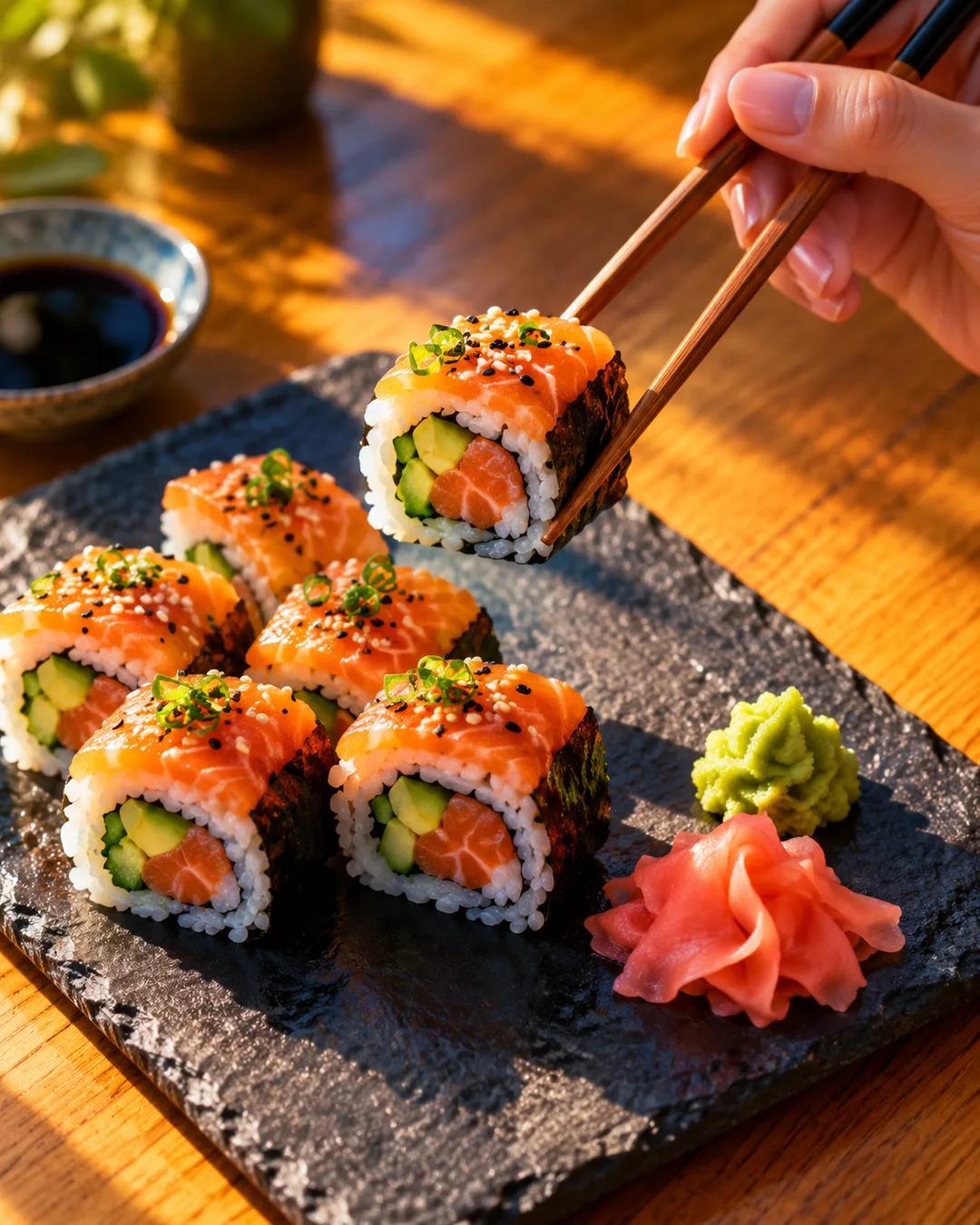
Animal fats could not be digested without gut bacteria, which make some of the key components of bile acids. A person who eats sushi gets gut bacteria that help absorb nutrients from the seaweed.
Children show the process as it happens. They get sick a lot in the early years because their bodies have never seen flu or most other bugs, and in the same years their guts build a very diverse microbiome, letting in outside organisms that are good for them. The immune system has to reach a detente, firing back at the bad arrivals and letting the good ones live in.
How do gut bacteria help digest fat?
The liver makes bile acids to break fat into tiny droplets that enzymes can handle. Gut bacteria then chemically alter those bile acids, stripping off attached groups and changing their structure. The altered forms, called secondary bile acids, act as signals to the body as well as digestive aids. Different gut communities make different mixes of them.
How did gut bacteria learn to digest seaweed?
In 2010, Jan-Hendrik Hehemann and colleagues reported in Nature that gut bacteria of Japanese people carry genes for enzymes that break down a sugar in the red seaweed used in nori. These genes matched ones in a marine bacterium that lives on seaweed. The finding indicated that gut microbes had borrowed the genes from ocean bacteria, probably through foods eaten along with the seaweed. People from North America lacked those genes in the same study.
How does a child's gut microbiome develop?
A baby first picks up microbes from the mother during birth and from the surrounding environment. Over the first few years of life, the variety of species in the gut climbs quickly. By about age three, the community looks much closer to an adult's, with a stable core of species. Diet, antibiotics, and contact with other people and animals all shape which microbes settle in.
More from Andrew Huberman