Korva is a scroll of the internet’s best ideas.
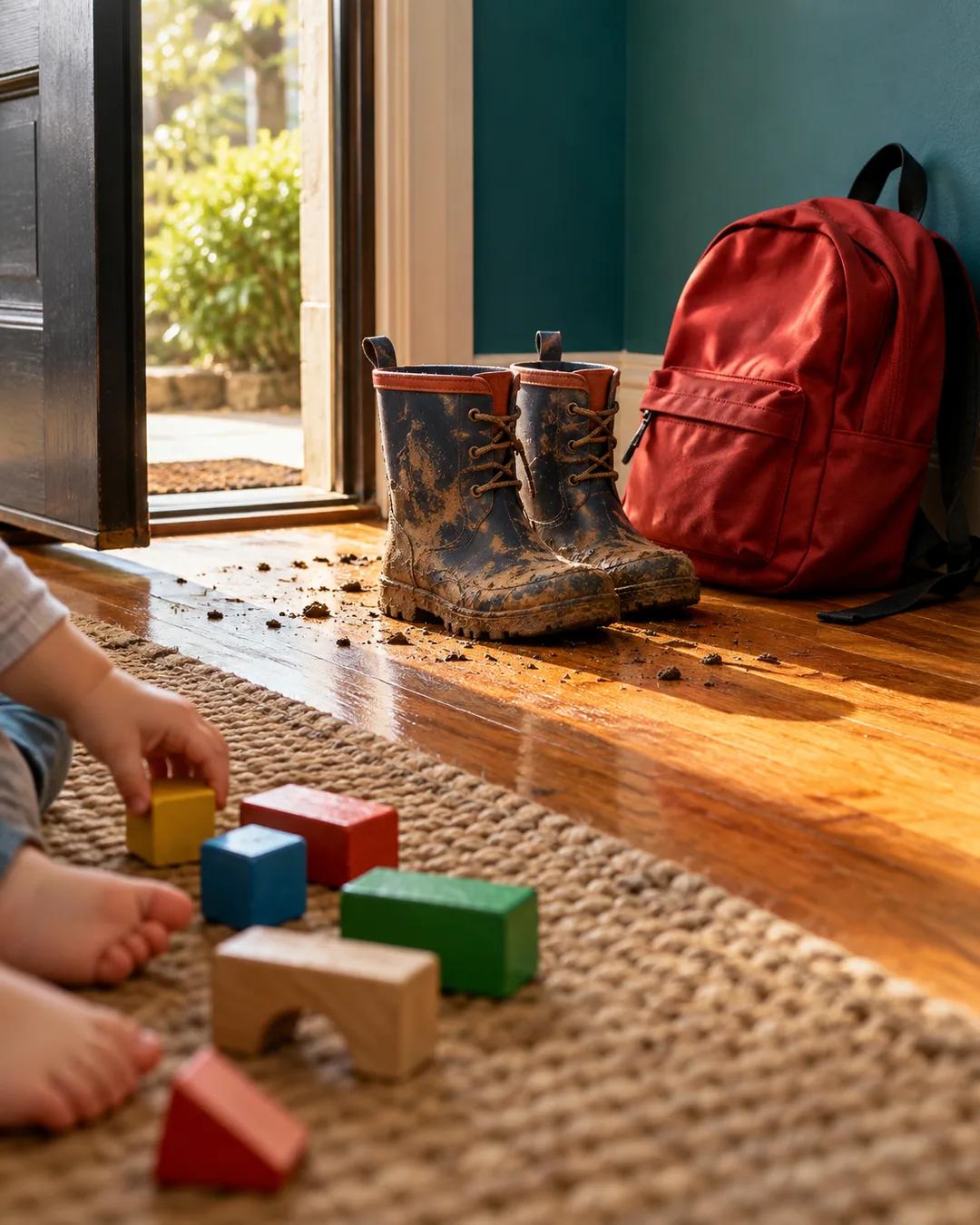
Younger siblings seem to get fewer allergies

He started collecting data on families as food allergies began to appear, after the massive rise of asthma. The theory was that older siblings bring home colds and track in bugs, exposing their younger siblings early, and that this earlier exposure somehow protected them.
It was called the hygiene hypothesis, and it has morphed over the years into the old friends hypothesis. A child is born with a novice, naive immune system and an innate system that acts as a brute force response to anything that threatens the individual. The adaptive immune system, made of T cells, B cells, and antibodies, remembers what it has been exposed to.
The theory holds that the adaptive system has to be trained, in the right order, on the same types of microbes it evolved with for millennia. Modern life has changed so much that some of those are missing, which confuses the immune system and produces more allergic disease.
Who first proposed the hygiene hypothesis?
David Strachan, an epidemiologist, published the idea in the British Medical Journal in 1989. He analyzed data on more than 17,000 British children and found that hay fever was less common in those with more older siblings. He suggested that infections passed on in early childhood might protect against allergy. That paper gave the hypothesis its name.
Why was it renamed the old friends hypothesis?
Graham Rook, a microbiologist, argued that the protective microbes are not the cold and flu viruses of childhood. They are ancient organisms, such as soil bacteria and gut microbes, that humans carried through evolution. Our immune systems developed alongside them and rely on them for regulation. Modern sanitation and diets have reduced contact with many of these partners.
What do farm children tell us about allergy?
Studies of children raised on traditional farms in Europe, including the GABRIELA and PARSIFAL studies, found lower rates of asthma and hay fever than in other rural children. Contact with livestock and unpasteurized milk was associated with the protection. The Amish and Hutterites in the United States offer a comparison: Amish children, who farm traditionally, have much less asthma than Hutterite children, who use industrial methods. The finding was reported by Michael Holbreich and colleagues in the New England Journal of Medicine in 2016.
More from Freakonomics Radio Network