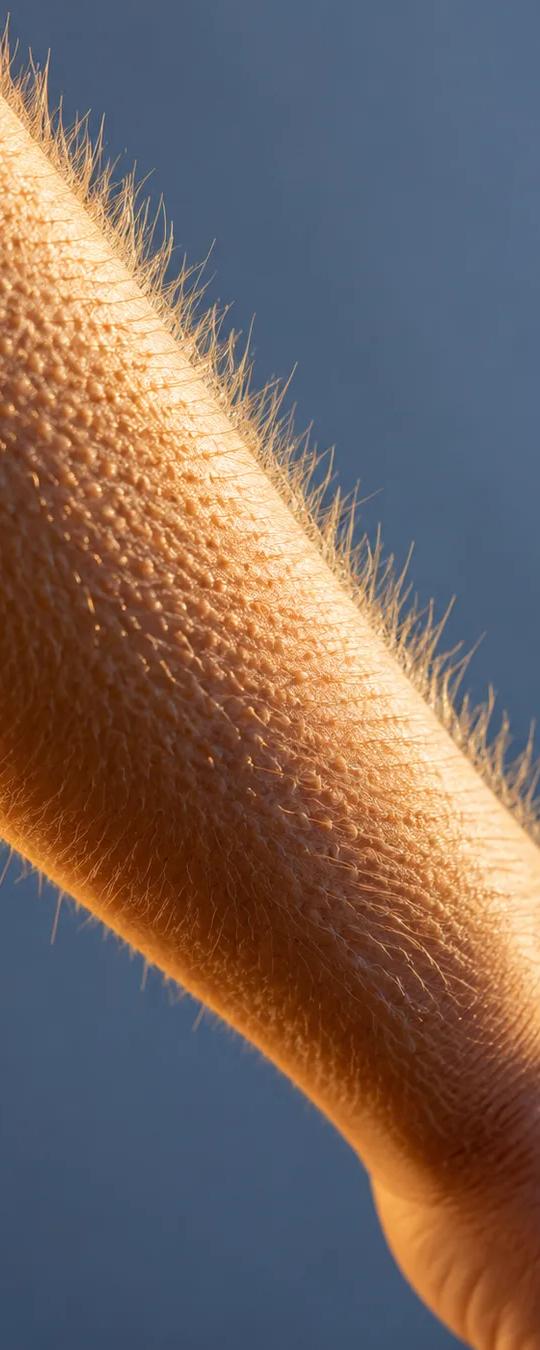
Korva is a scroll of the internet’s best ideas.
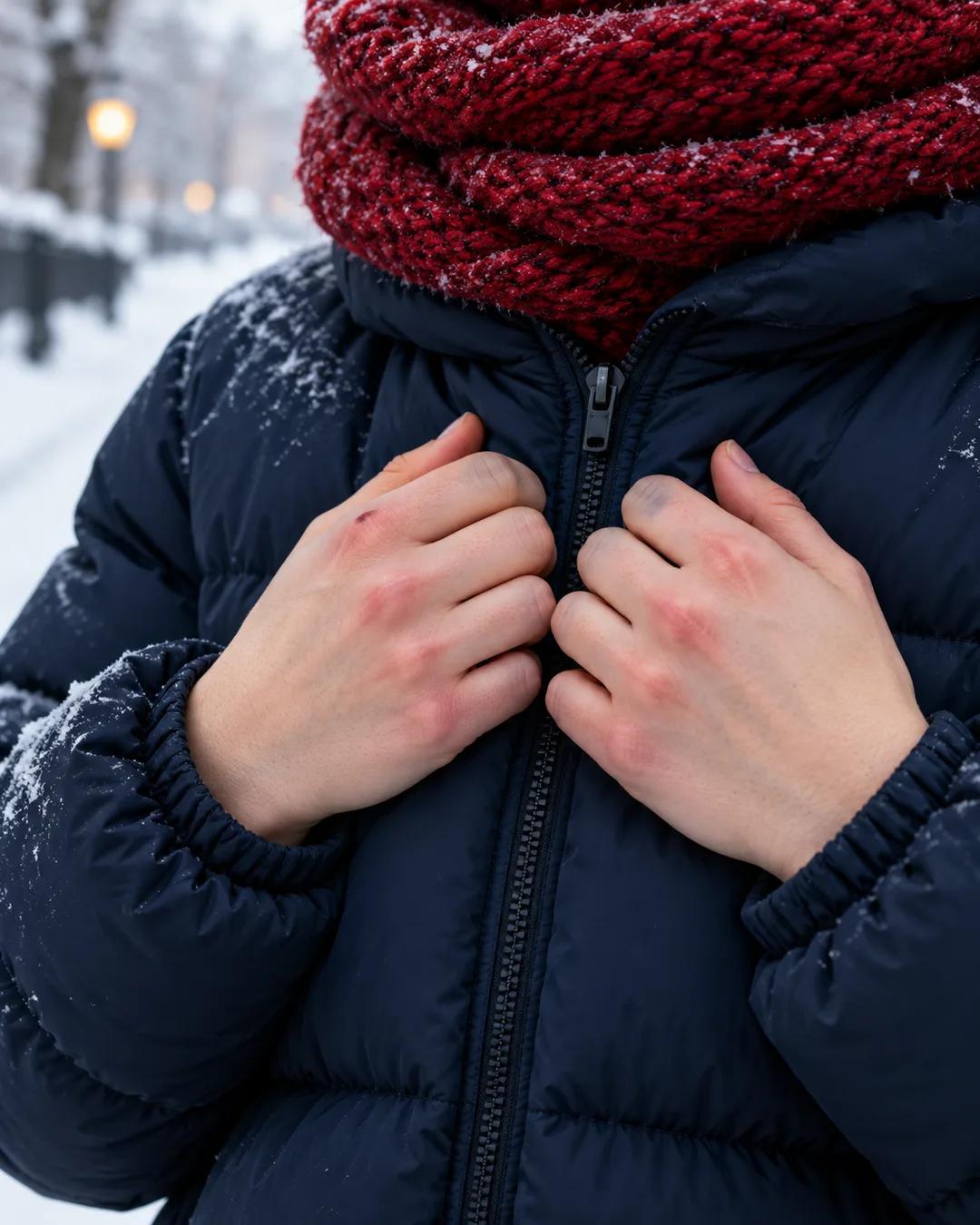
Your body sacrifices fingers and toes

Cold fingers and toes on a day when the rest of the body feels fine are not simply a matter of distance from the heart, which is a common belief. When the body gets cold, it deliberately reduces blood flow to the extremities, and the narrowed vessels in the hands and feet leave more warm blood around the vital organs.
The body gives up the comfort of fingers and toes to protect the machinery in the middle. That is also why warming just the hands does little. One of the most effective ways to get warm fingers and toes is to warm the core with another layer, a jacket, or a hat. Once the body is satisfied that its important organs are warm enough, it can afford to send warm blood back out to the extremities.
How do blood vessels narrow in the cold?
Cold skin triggers the sympathetic nervous system, which releases norepinephrine onto the smooth muscle in the walls of small arteries. The muscle contracts and the vessel narrows, a process called vasoconstriction. Fingers and toes have special shortcut vessels, called arteriovenous anastomoses, that can shut off blood flow to the skin almost completely. Skin temperature in the fingertips can fall close to the temperature of the surrounding air.
Why do cold fingers sometimes warm up on their own?
The British physician Thomas Lewis described the effect in 1930 and found that fingers exposed to cold periodically reopen their blood vessels. This cycle is known as the hunting response, or cold-induced vasodilation. In the fingertips the vessels can open and close again every five to ten minutes. Researchers think it helps limit tissue damage during long exposure to cold.
How do limbs lose less heat on the way back?
In the arms and legs, arteries often run right alongside veins. Warm blood going out to the limb passes heat to the cooler blood heading back to the body, which is called countercurrent exchange. The returning blood arrives already warmed, so less heat is lost to the surroundings. Wading birds and penguin flippers use the same arrangement to stand in cold water without chilling their core.
More from Something You Should Know