A Camera Linked Her Car to a Fatal Crash Area and She Spent 13 Days in Jail
Reporting noted her vehicle did not match in color and showed no sign of a collision, yet she was held for nearly two weeks.
 Dateline NBC · Verdict in Sandra Birchmore murder trial. A husband's stunning admission. Plus, Flock cameras.
At a hearing, Florida woman Lindsay Isaacs described being held in solitary confinement for about three and a half days during 13 days in jail.
“I was terrified,” said Florida woman Lindsay Isaacs. “I was facing the possibility of spending the rest of my life in prison for a crash that I knew I had not been involved in.”
She said a warrant was issued for her arrest on April 17, 2026, after a Flock camera linked her vehicle to a location about three miles from a deadly collision.
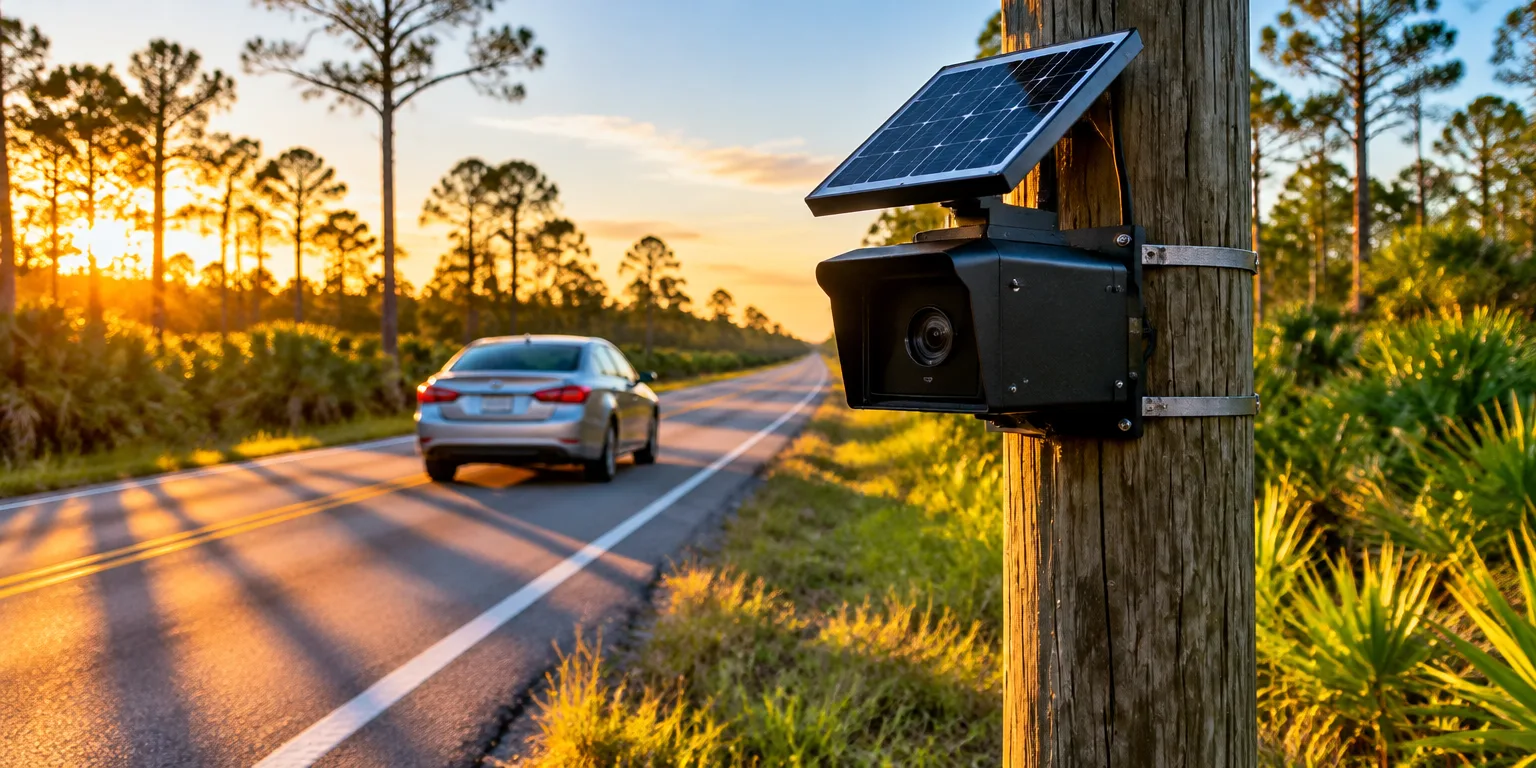
Flock cameras are black boxes, usually mounted on a telephone pole or metal pole with a solar panel on top, that are pointed at roads and photograph license plates. The images are sent to a central database that can link sightings of the same car across cameras.
The customers are mainly police departments and precincts, which pay an annual fee for the cameras and the software that connects the sightings. In Isaacs’s case, that kind of link became the basis for an arrest.
She spent 13 days in jail before the charges were dropped. She was then released, with no case left against her.
Reporting on her case noted her vehicle did not match in color and showed no sign of a collision, details that raised questions about why she was arrested.
Harry Moggins, chief executive of Privacy Bee, a company that sells privacy protection services, said the cameras are focused mostly on vehicles but “it's motion activated and no technology is perfect.”
Moggins said camera data should be “just one piece of a much bigger investigation to hint at it,” a lead to be checked against other evidence.
Questions people ask
What are Flock cameras and how do they work?
They are roadside cameras, often in black housings on poles with a small solar panel, that photograph license plates and other motion. The images go to a central database that lets a police subscriber search for a plate and link sightings across cameras to trace where a car has traveled.
How could a camera tie the wrong car to a crime?
Plate readers can misread a plate, match the wrong car, or capture a similar vehicle. Lighting, angles, partial views, and human error in reviewing images can add to the problem, which is why investigators are urged to confirm color, damage, and other evidence.
What safeguards are supposed to prevent this kind of mistake?
Flock has said it shortened default data retention and requires users to enter an active case number, with flags and lockouts for possible misuse. Privacy researchers say local police policies and city council decisions matter most, because departments set retention and oversee how officers use searches.