New Weapons Have Made Wars of Conquest a Bad Deal
Joe Kent says new weapons give defenders strong advantages in Ukraine and Iran, leaving room for diplomacy and trade.
 The Shawn Ryan Show · #356 Joe Kent - Susie Wiles, Stephen Miller, Midterms and the AIPAC Problem
Former U.S. counterterrorism official Joe Kent says leaders should step back and rethink wars like those in Ukraine and Iran.
He said leaders should question the longtime assumption that a strong country can dominate a weaker one. The reason, he said, is the spread of a few key technologies, AI, ballistic missiles, and drones.
In his words, that proliferation has made the playing field relatively level. He added, "And actually, the defender has a lot of advantages over the attacker."
Kent did not predict who would win. His point was that the defender has many advantages, which puts the old idea of dominating a weaker country in question.
He then asked, "So is modern warfare, is it even worth it for either side?" He described what the United States is seeing in Ukraine and with Iran as a zero-sum game.
He said that, with sane leaders willing to cooperate, the world could move toward an era with more diplomacy and economic trade arrangements. He cautioned, "It's not going to be a rosy, peace-filled era," calling the current fighting counterproductive and almost nihilistic.
If domination no longer pays, leaders have reason to negotiate and trade rather than attack.
Questions people ask
Why would cheap drones help the defender more than the attacker?
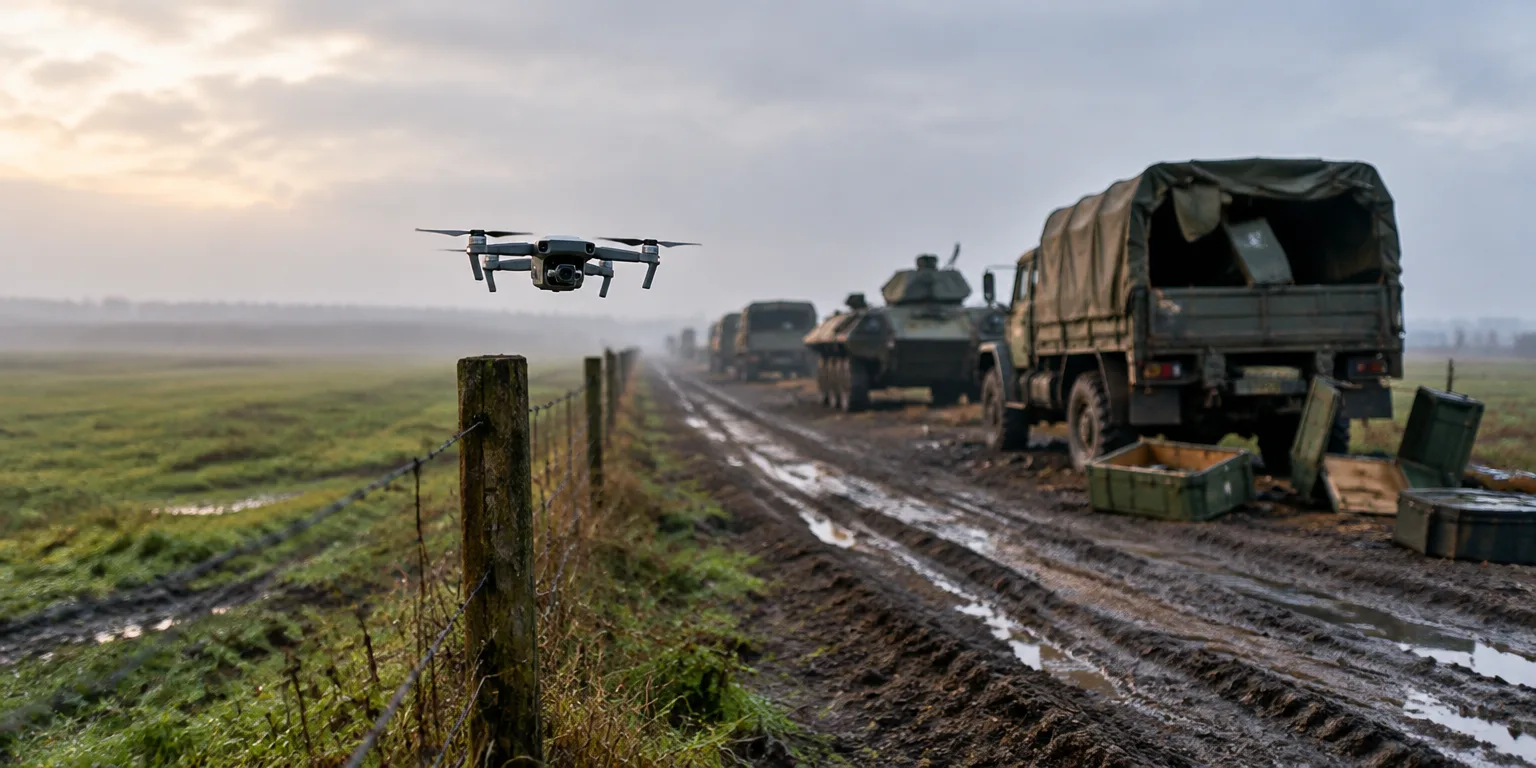
Small drones can watch roads and trenches, guide artillery, and strike tanks and supply trucks for a few thousand dollars. That makes it harder for an attacker to mass forces, move fuel and ammunition, and hold ground without taking heavy losses.
Does that mean defenders always win modern wars?
No. Defenders often have the edge because they know the terrain, have prepared positions, and fight on shorter supply lines. Attackers can still win, especially with air power and numbers, but modern sensors and long-range strikes have made attacking more expensive.
What does Kent mean by calling these wars zero-sum?
He uses it to describe a contest where one side's gain is the other's loss. He pairs that description with a question about whether fighting such a war is worth it for either side.