A Chiropractor Says Every Meal Sends Your Body an Instruction
Andrea Vitz says meals tell the body what to do hormonally, and daily habits send information too.
 Levelheaded Talk · 10-19-2026 How is Your Body?
Andrea Vitz, a chiropractor, puts it bluntly: every time you eat, you give your body a message about what to do hormonally.
She borrows a phrase from Ted O'Neill, a coach she works with, who calls this "speak the language of biochemistry back to your body." That is her shorthand for telling the body what to do through what you eat.
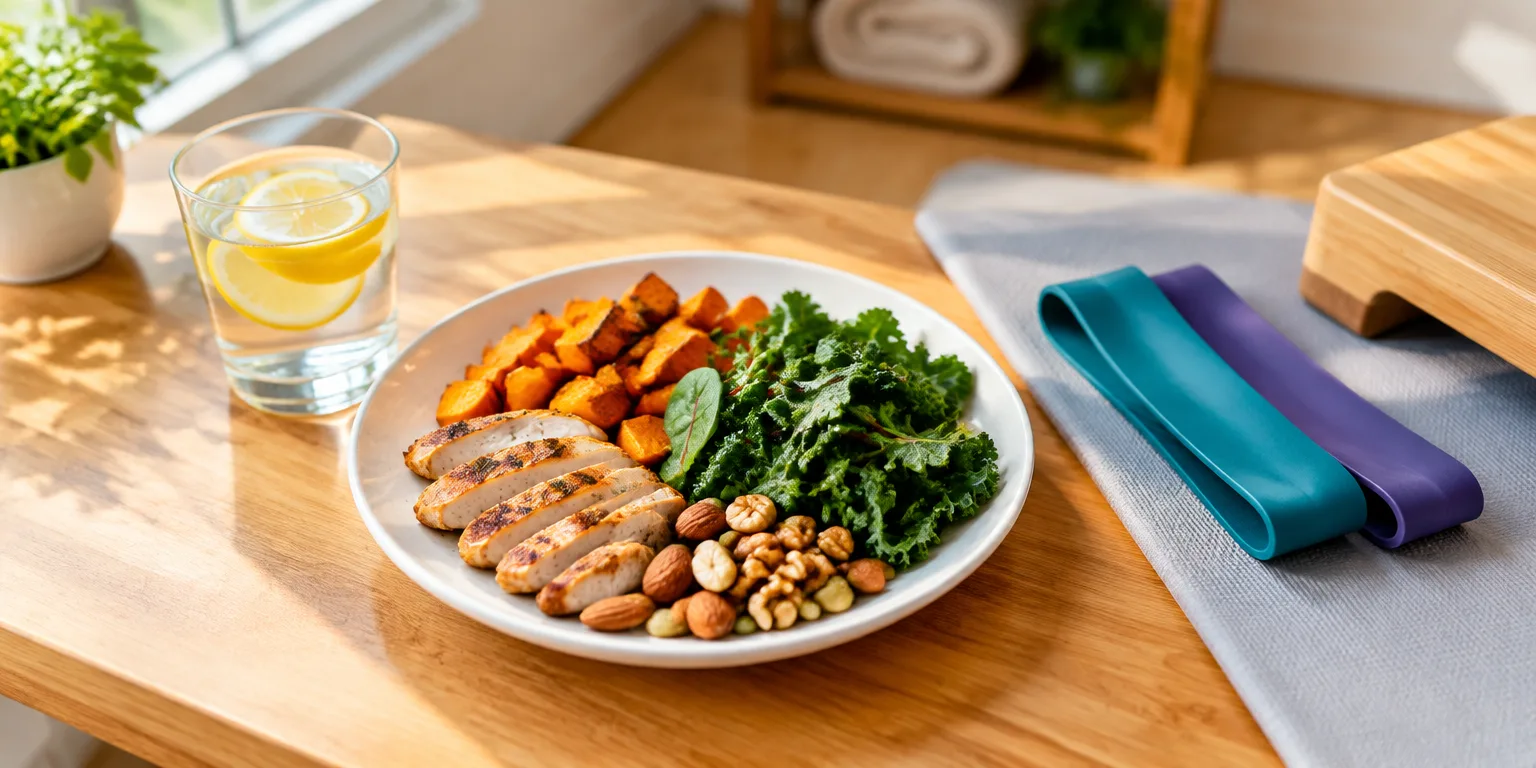
According to Vitz, what and when you eat matters. If people fueled themselves "with the right ingredients at the right timing and the right intervals," as an athlete would, their physical state, emotional state, and energy could improve.
Those instructions go beyond meals. Drinking, smoking, eating, sitting, and possibly limiting calories, which she offered as an example of starving the body, all give it information through actions taken or not taken.
Lost ability reflects lack of practice, in her view. People who say they cannot bend down, climb a hill, or get strong have not trained their bodies to do those things, and starting from fatigue or low confidence can feel like a heavy lift.
Questions people ask
How does a meal actually change hormones?
After you eat, blood sugar rises and insulin helps move that sugar into cells for energy or storage. Protein, fiber, fat, and meal timing change how large and how fast that response is, which affects hunger, alertness, and energy for the next few hours.
What does eating like an athlete mean for a nonathlete?
It generally means enough protein, fiber, and fluids, mostly whole foods, and regular meals spaced to support activity and recovery. Athletes also match portions to training load, so a desk worker needs less total fuel than a marathon runner.
Can sitting or skipping meals really count as a signal?
Sitting itself does not release a hormone, but long, still hours change blood flow, blood sugar control, posture, and muscle use. Short movement breaks, walking, and strength work send the opposite signal and help preserve mobility and energy.