She Recommends a 100 to 200 Calorie Snack 45 Minutes Before Bed
Stephanie Crassweller says the mix lowers stress hormones and lets melatonin rise to support mitochondria.
 The Metabolism and Menopause Podcast · How to Build, Fix and Clear Your Fat-Burning Cells: Mitochondria Matter | MMP Ep. 330
Stephanie Crassweller, founder and chief executive of Vitality OET, a company focused on fat loss and women's hormones in perimenopause and postmenopause, says she often recommends a bedtime snack.
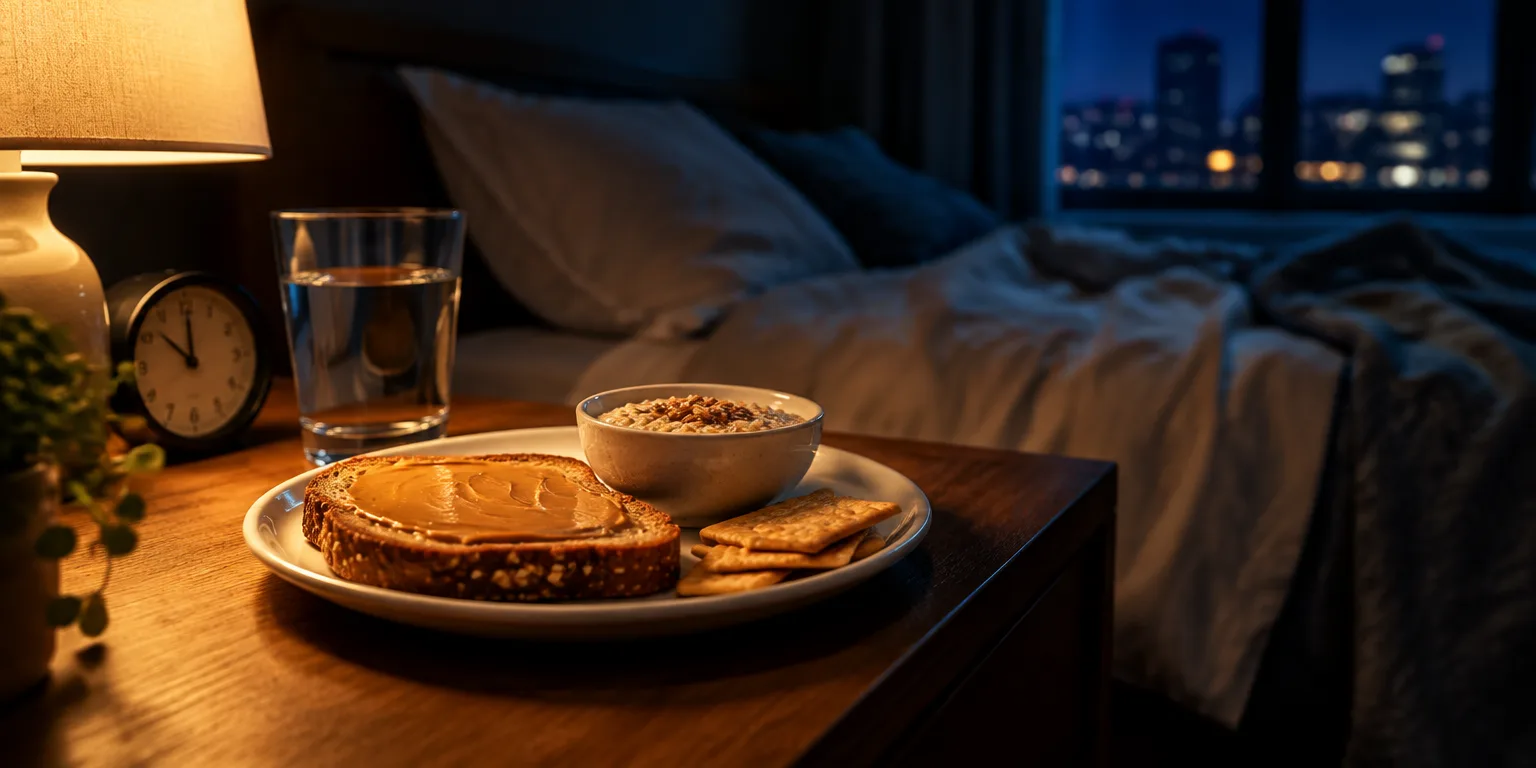
Her version is specific, she says: 100 to 200 calories, with protein, fat, and carbohydrates, eaten about 45 minutes before sleep. She describes it as nothing major, just enough fuel for the night.
She says the snack addresses several overnight issues at once. In her account, it lowers stress hormones, which allows melatonin, the sleepy hormone, to rise.
She calls melatonin a massive antioxidant that helps support mitochondria, the tiny engines inside cells that mix fuel from fat or sugar with oxygen to make energy. She notes that mitochondria make more than 90 percent of the body's energy and are the only place fat is used as fuel.
She describes steady blood sugar, getting enough calories, and getting sleep as separate benefits that sit alongside one another. She links those things to lower inflammation and support for mitochondria and hormone production.
She pairs the idea with familiar sleep habits, including a cool and dark room, white noise, and the same bedtime and wake time. Her examples are whole grain toast with natural peanut butter, oatmeal with protein powder, popcorn with a piece of cheese or a turkey pepperoni stick, and meat with crackers.
Questions people ask
Won't eating before bed make me gain weight?
Crassweller describes her version as a small 100 to 200 calorie snack, not a second meal. In general, weight change tracks total calories across days and weeks rather than one food alone. People concerned about weight or nighttime blood sugar are usually advised to discuss personal history with a clinician.
Why does she say it needs protein, fat, and carbs together?
Crassweller says the combination is meant to cover several jobs at once. She says it keeps blood sugar stable through the night while lowering stress hormones, which then allows melatonin to rise. She also links steadier sleep and sufficient calories to lower inflammation and support for mitochondria.
What if I do not eat dairy, gluten, or meat?
Her listed examples include oatmeal with protein powder and whole grain toast with natural peanut butter, alongside options with cheese, turkey pepperoni, meat, and crackers. She does not give a dairy free or gluten free version in this segment. People avoiding those foods would need to look for their own equivalents that match the size and mix she describes.