A Made-Up Attack Gave People an Excuse to Be Wary of the Homeless
Even Oprah said she would think twice about giving, while police told Holt they had never seen such an attack.
 Dateline NBC · Talking Dateline: Deadly Intersection
Jacqueline Smith was riding with Keith, her spouse, and Valeria, Keith's daughter, when Keith called 911 to report that his wife had been stabbed by panhandlers.
The account became national news fast. It touched fears many people already held about homeless people and others asking for money on the street.
Lester Holt, the news anchor who covered the case, put that effect plainly: "it gave people an excuse to be wary of people without homes." An invented attack turned suspicion onto strangers with no part in the killing, and left homeless people as casualties of the story.
That reach showed when Oprah posted that she had given to panhandlers a thousand times and would now think twice. Holt said he thought she had been "a longtime news anchor in Baltimore" in the 1980s and assumed she still had ties there, and that many others likely felt the same way while the city's murder rate was soaring.
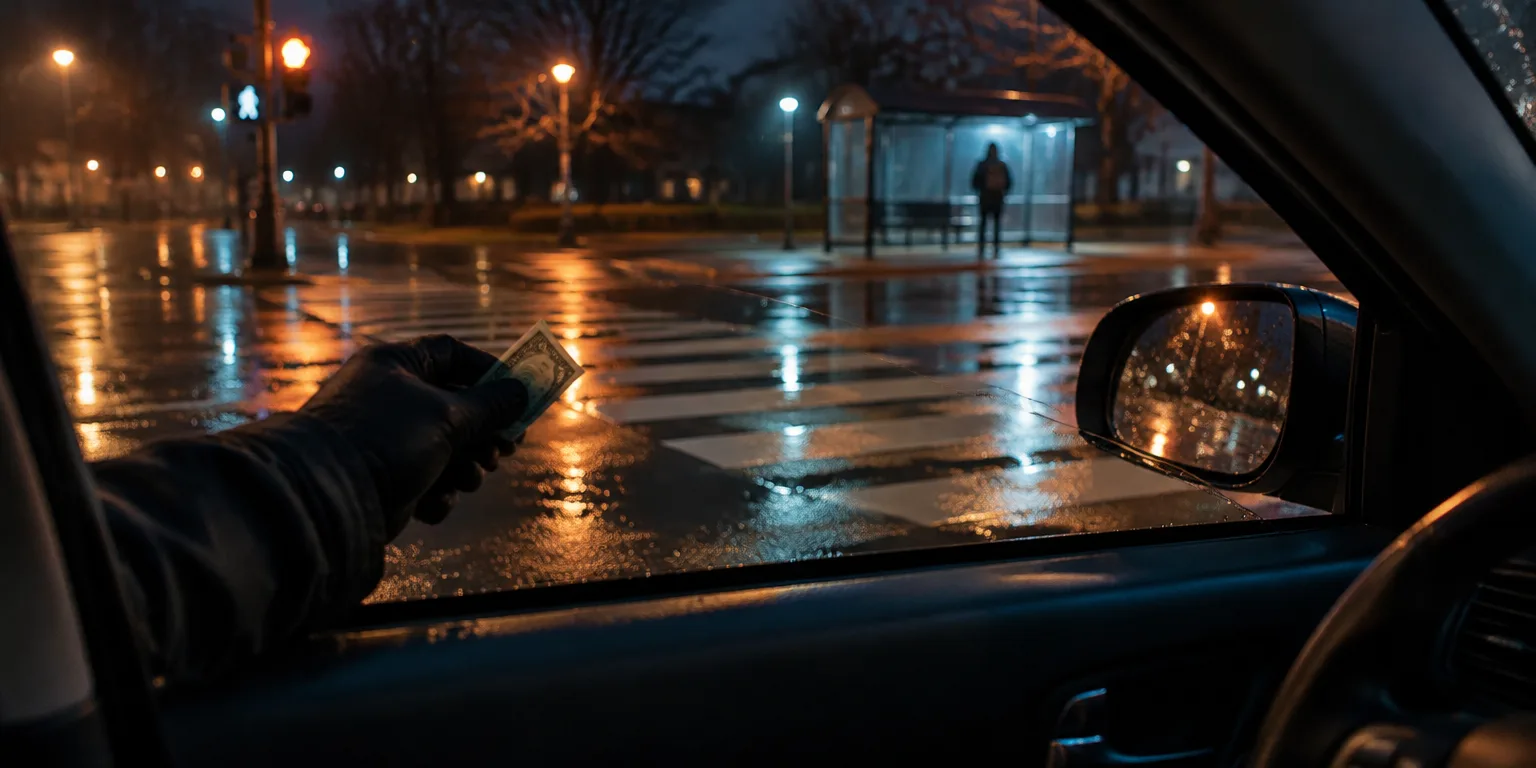
In Holt's view, the details did not hold together, and he said the story "didn't stand up at all." The encounter was described as happening at an essentially deserted and rainy intersection, with a window rolled down to give money, followed by an attack.
He said every law enforcement officer he asked whether they had ever seen a homeless person or panhandler attack someone unprovoked shook their heads no.
Video evidence and a wiretap later helped unravel the account. Valeria pleaded guilty to accessory to murder in exchange for testifying, while Keith was convicted of first degree murder.
Questions people ask
How common are unprovoked attacks by panhandlers?
Holt said every officer he asked told him they had never handled an unprovoked attack by a homeless person or panhandler. That is only what those officers told him, not a national count. It was enough to make him doubt an attack with no clear reason.
Why was Keith's story so believable at first?
Holt tied it to fear and context. He noted Baltimore's murder rate was soaring, and said many people were ready to believe the account because it touched fears they already had about homeless people and people collecting money on the streets.