Teen Status Seeking Was Built for Small Groups, Not Millions
A joke that once faded after school can now follow a teen for a week in front of millions.
 All-In with Chamath, Jason, Sacks & Friedberg · Jonathan Haidt | The All-In Interview
For a teenager, being popular today can feel more urgent than health, grades, or even years of life later.
Jonathan Haidt, a social psychologist at New York University who studies youth and technology, says that urgency comes from very old wiring. Humans inherited status seeking from earlier primates, where rank could shape survival and, especially for males, who got to mate.
Haidt says adolescents "would gladly do something that knocked a few years off of their life at the end of their life if they could be more popular today." He calls it short-term thinking, with reputation feeling imperative right now.
That system was built for small groups. People evolved to live with gossip, teasing, and talk behind backs, but on a human scale.
In a small circle, a kid says something foolish, others laugh, and then life moves on. The embarrassment is painful, but it is brief and contained.
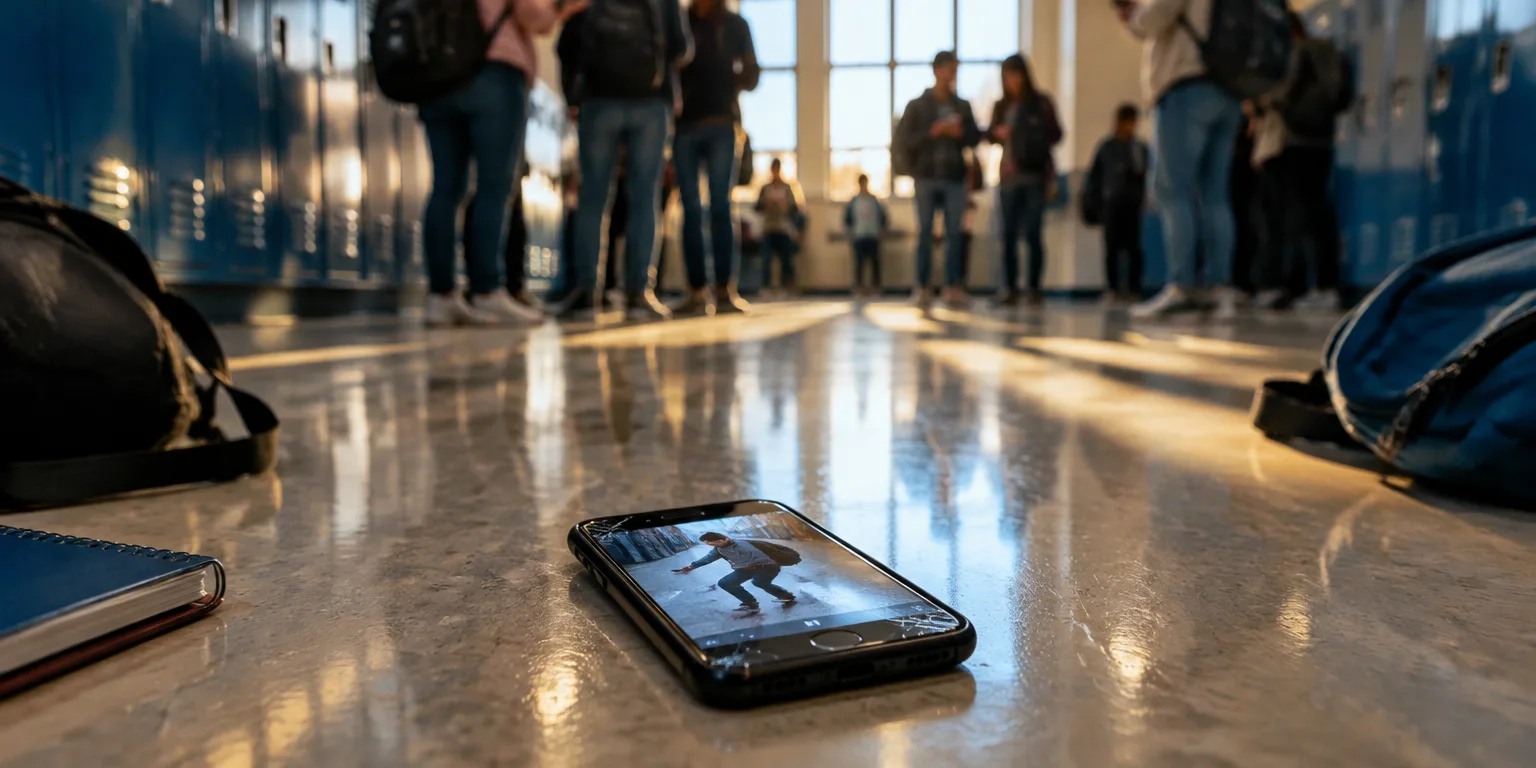
Social media puts that same kid on a much larger stage. One candid, awkward, or embarrassing moment can be clipped, shared, and judged by millions, and Haidt says the child can remain "the internet topic of the day" for a week.
Haidt says people who joined tech companies early understood how to exploit young people's concern with reputation. Jason Calacanis, a tech investor and podcast host, contrasts short video feeds with food and sex in nature, which have a natural stopping point, while the feed keeps offering another unpredictable reward.
That is why the same insult hits differently online. Shame that once faded by the next school day can feel permanent and inescapable, and Haidt says many young people in that position think about suicide as "a way to relieve the pain."
Questions people ask
Why are teenagers more sensitive to status than adults?
Puberty remodels the brain, heightening sensitivity to peer approval, risk, and social reward. Adults still care about reputation, but they have more perspective, more stable identities, and more experience surviving embarrassment. That is why the same insult can feel bruising to an adult and catastrophic to a 14 year old.
Does online embarrassment really last longer?
Often yes. In person, laughter fades and witnesses move on. Online, video and screenshots can be copied, reposted, and resurfaced by recommendation systems for days. Even when attention shifts, the teen may fear that classmates can still find the moment.
Is caring about likes the same as caring about status?
Likes and follower counts are modern scoreboards for an older drive. They make approval visible, countable, and comparable across schools and strangers. That visibility can turn ordinary curiosity about how one ranks into constant checking.