A Minimum Wage Assignment Turned a Young Marxist Against Government
Thomas Sowell thought field data could settle whether wages or hurricanes cost jobs, until his request got stuck in the chain of command.
 Hoover Institution · Thomas Sowell on the Myths of Economic Inequality
One summer morning, Thomas Sowell, then a graduate student in economics, walked into his office at the United States Department of Labor convinced he had solved a puzzle. He was working as a summer intern, in his first professional job for the government, and he had spent most of the summer wrestling with numbers from the sugar industry in Puerto Rico.
Sowell arrived as a believer. He was a Marxist, and a big supporter of the minimum wage law. His assignment was to study how that law was working in Puerto Rico, where officials kept raising the minimum and the number of jobs kept falling.
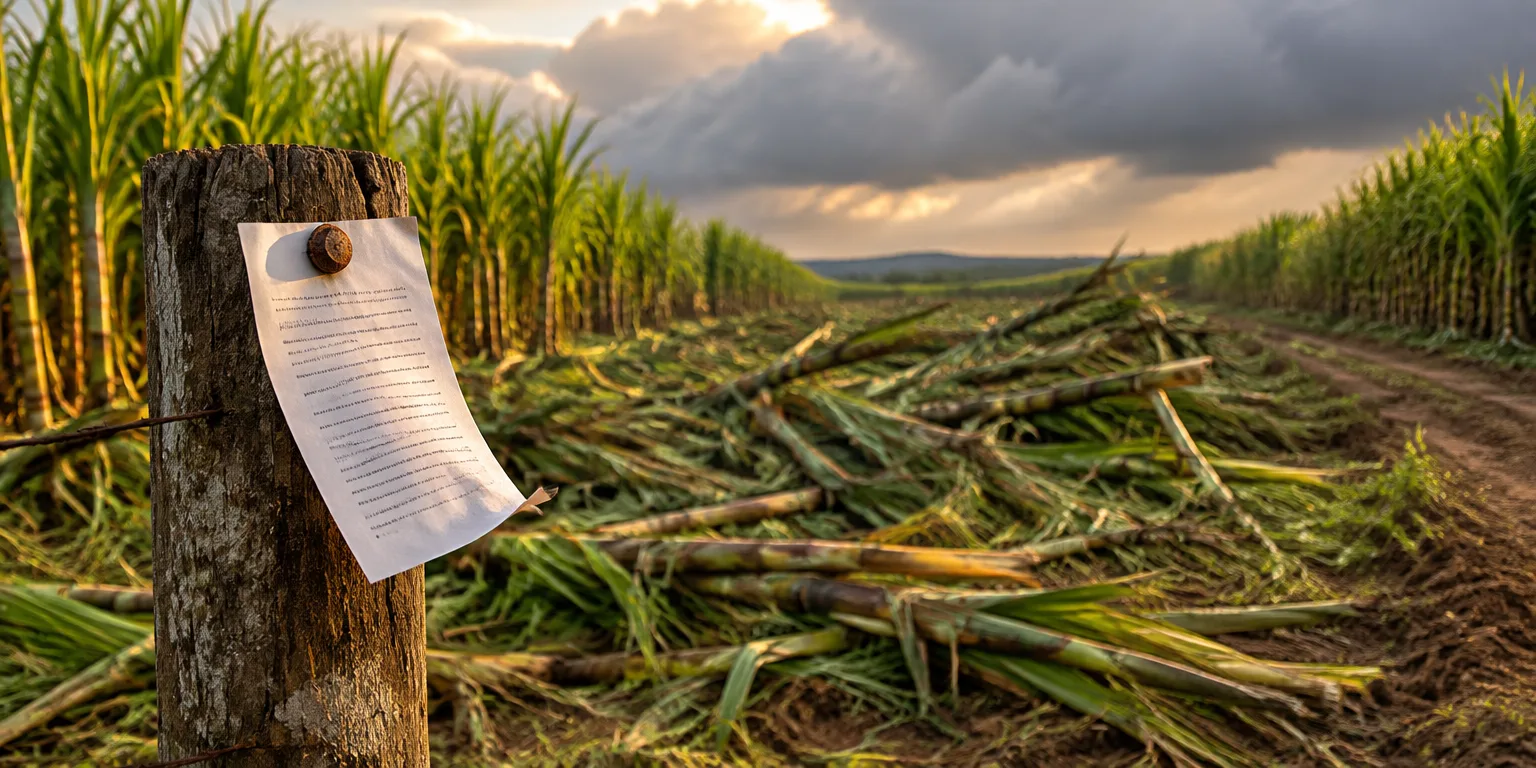
There were two explanations for the lost jobs. Economists said employers were pricing low wage workers out of jobs, because when the law forces pay higher, employers hire fewer people. The other explanation was weather, because hurricanes swept through Puerto Rico during the sugar harvest and destroyed much of the crop, so growers needed fewer hands.
At the University of Chicago, Sowell had been taught that when two theories fit the same facts, you look for a test that points one way under one theory and the other way under the other. That morning, he had it. Find out how much cane had still been standing in the fields when the storm arrived.
He reasoned that if the crop was large and employment was still low, the wage was likely the problem. If the crop was small, the storm could explain it. He waited for congratulations. Instead, he saw stricken looks around the room.
Sowell recalled the looks as saying, "this guy has stumbled on something that will ruin us all." He was told the department did not have those data. He said the Department of Agriculture probably did.
He was told getting them would require a request sent all the way to the top of the Labor Department, who would confer with the Secretary of Agriculture, who would send it back down through Agriculture to whoever held the numbers.
Sowell filed the request anyway. He was still waiting for an answer when he spoke in 2018.
Years later, he wrote an article explaining why the Labor Department studies of minimum wage effects, required under Section 4D of the law, were a farce. When he returned to do research, he said an older librarian pointed him out to a younger colleague and said, "this is the man who wrote that article that has everybody up in arms."
By then the lesson had settled. The department administered the minimum wage, and Sowell said perhaps a third or another significant share of its funding and jobs came from administering it. Government, Sowell concluded, was not "the personification of the national interest." It had interests of its own.
Questions people ask
How is a minimum wage supposed to cost jobs?
The federal minimum wage is a legal floor on hourly pay. Supporters say it raises living standards, while critics say it can reduce hiring because some entry level jobs are worth less to an employer than the required wage, especially for teenagers and workers with few skills.
Why study Puerto Rico in particular?
Puerto Rico has long been subject to U.S. federal labor law even though incomes on the island are much lower than on the mainland. That makes a mainland level minimum a higher hurdle there, which is why economists have often studied the island as a test case for employment effects.
What did Sowell do after the internship?
Sowell went on to become a prominent free market economist, author, and senior fellow at the Hoover Institution at Stanford University. He has written more than 30 books on economics, race, history, and culture, and became known for using data to challenge popular explanations for inequality.