A Raisin Farmer Was Ordered to Give Away Part of His Crop and Beat a $750,000 Fine
Benjamin said the Agriculture Department used formulas to decide how many raisins should exist, then demanded a share for free.
 Peter Santenello · Inside America's Corruption Capital - Washington D.C. 🇺🇸
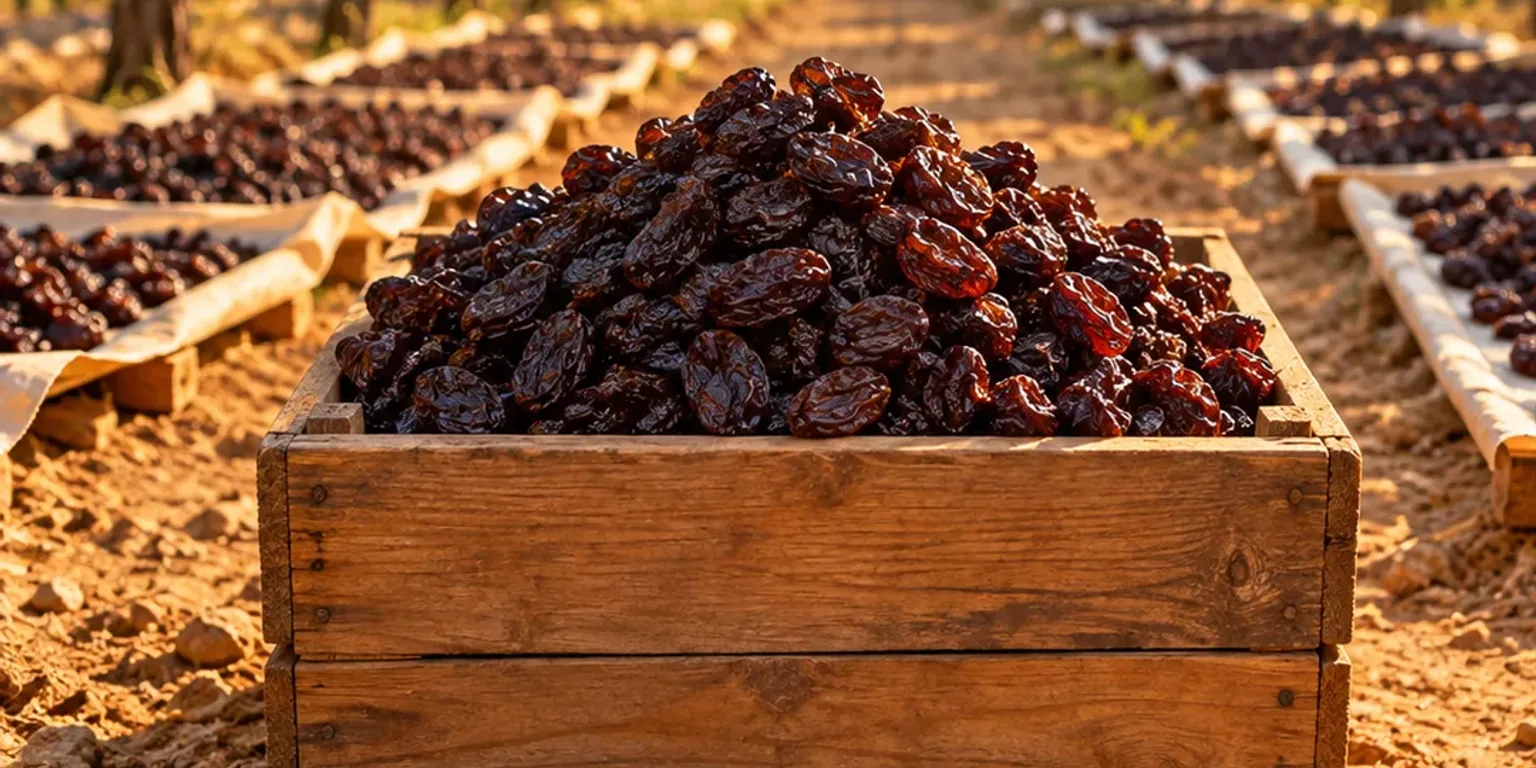
For years, federal officials told raisin growers how much of each harvest to hand over without payment, sometimes 3% one year and 12% the next.
Growers received nothing when the raisins left the farm. Officials said they might get a check later if the government sold the stored raisins.
Benjamin, a First Amendment attorney, said Agriculture Department staff used crop calculations to manage the raisin supply. He said officials believed they knew better than growers "about how many raisins should exist in America at any given time."
One grower, Mr. Horne, refused to turn over his share. He kept his raisins on his own farm.
The department fined him $750,000.
Horne challenged the fine to the Supreme Court. The fight turned on the Fifth Amendment rule that requires the government to pay owners when it takes their property.
The court ruled for Horne. The raisin reserve ended after the 2015 decision.
Questions people ask
Why did officials think holding back raisins would help farmers?
When too many raisins reach stores at once, prices can fall so low that growers cannot cover harvest costs. By forcing growers to hold part of the crop in a government reserve, officials hoped to limit supply, keep prices steadier, and sell the reserve later in an orderly way.
What happened after Horne won?
The Supreme Court ruled in Horne v. Department of Agriculture in 2015 that the raisin reserve took private property without just compensation. The government stopped enforcing the raisin reserve. Other marketing rules for crops have continued, but they cannot physically seize a crop without paying for it.