A Record Harvest Does Not Guarantee A Record Payday
April Hemmes had her best harvest ever, but she still has to take whatever price the market pays while costs stay high.
 Marketplace · What's in a jobless claim?
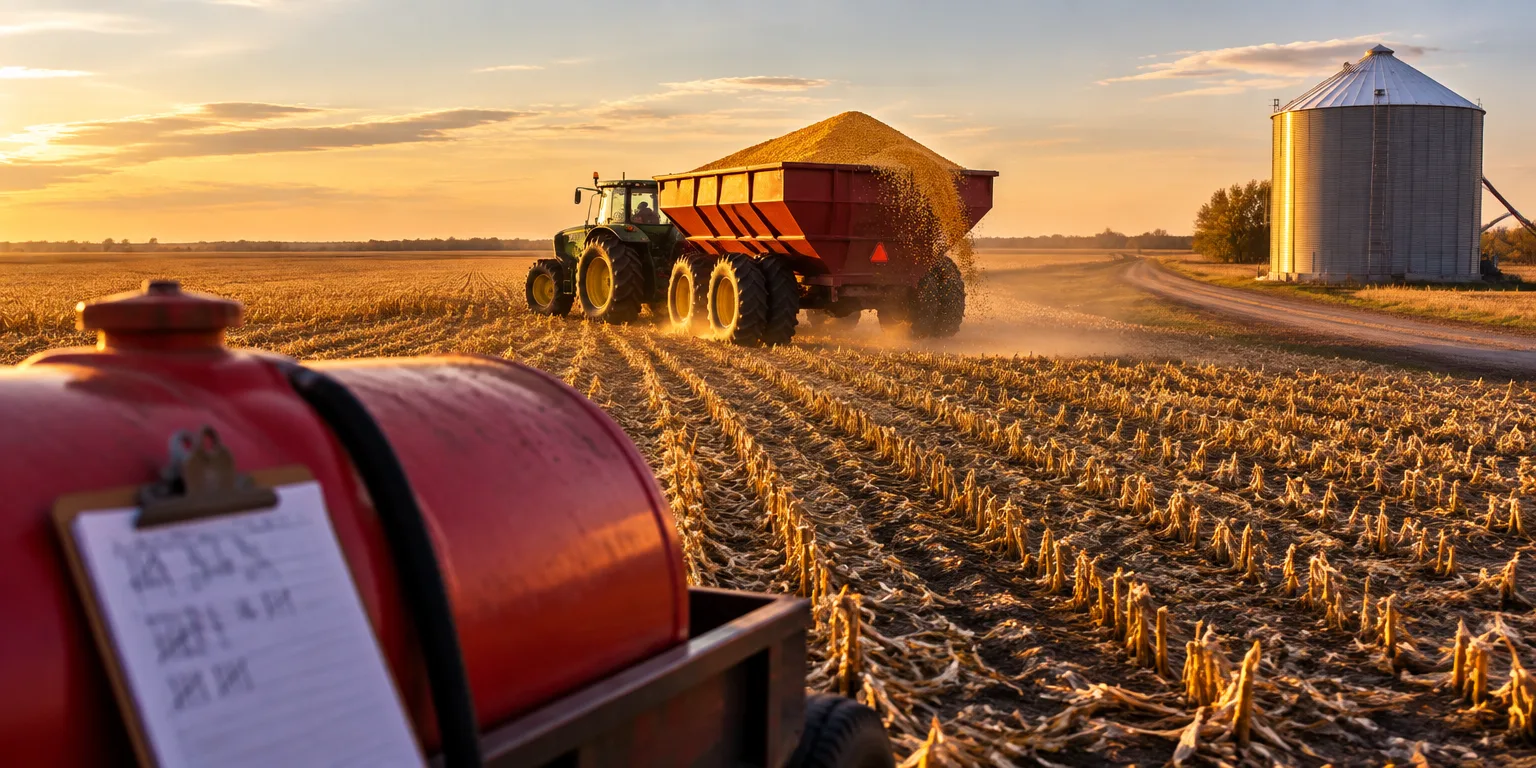
April Hemmes, a corn and soybean farmer in Iowa, just finished her best harvest ever. Hemmes said: "I yielded my way out of poverty this year."
The line points to a basic farm problem. Farmers have to accept the market price instead of setting one themselves, so they take whatever buyers will pay on the open market.
That turns a big crop into a gamble. If many farmers bring in more bushels at the same time, the extra supply on the market can push the price per bushel down.
Prices do not move in a simple line, either. She said a recent government yield forecast lowered expectations, and corn rose 10 cents a bushel while soybeans rose about 40 cents, even though the soybean yield estimate went up.
So a farmer watches three things at once: the weather, the market, and what the government predicts. Any one of them can move the price she will receive.
Costs add to the squeeze because they arrive no matter the price. Hemmes said she had just read an article that harvest diesel alone cost $4 more per acre for soybeans and $8 more per acre for corn. Her diesel supplier told her they had to ration supplies, and she said fertilizer had not gotten cheaper.
That is why a record harvest is no guarantee of a record year. More bushels help only if the price holds and the costs to grow, fuel, and harvest them do not eat the gain.
Questions people ask
What does it mean to be a price taker?
A price taker sells a product that looks much the same no matter who grows it, like corn or soybeans, and competes with thousands of other sellers. Buyers can shop around, so one farmer cannot charge more without losing the sale. The market price becomes the take it or leave it offer.
Why does a government crop forecast move prices?
The U.S. Department of Agriculture surveys fields, farmers, and weather conditions and publishes estimates of planted acres, expected yields, and total production. Grain traders use those numbers to guess future supply, so a change in the forecast can move prices the same day. Farmers then sell into a market shaped by that guess.
Does a bigger harvest always mean more money?
No, although a bigger crop usually means more to sell. If many farms have big crops at once, total supply rises and prices can fall enough to offset the extra bushels. Higher fuel, fertilizer, storage, and transport costs can also absorb the gain.