A Strait With Almost No Grain Could Still Bring a Food Crisis
Fuel and fertilizer moving through the Strait of Hormuz affect how much wheat and corn farmers can afford to grow.
 world-grain.com · From the editor: High fertilizer, fuel prices threaten food security | World Grain
The next food crisis may not begin in a wheat field. It may begin in a waterway that carries almost no grain at all.
That waterway is the Strait of Hormuz, a narrow passage that has been squeezed by the fighting around Iran.
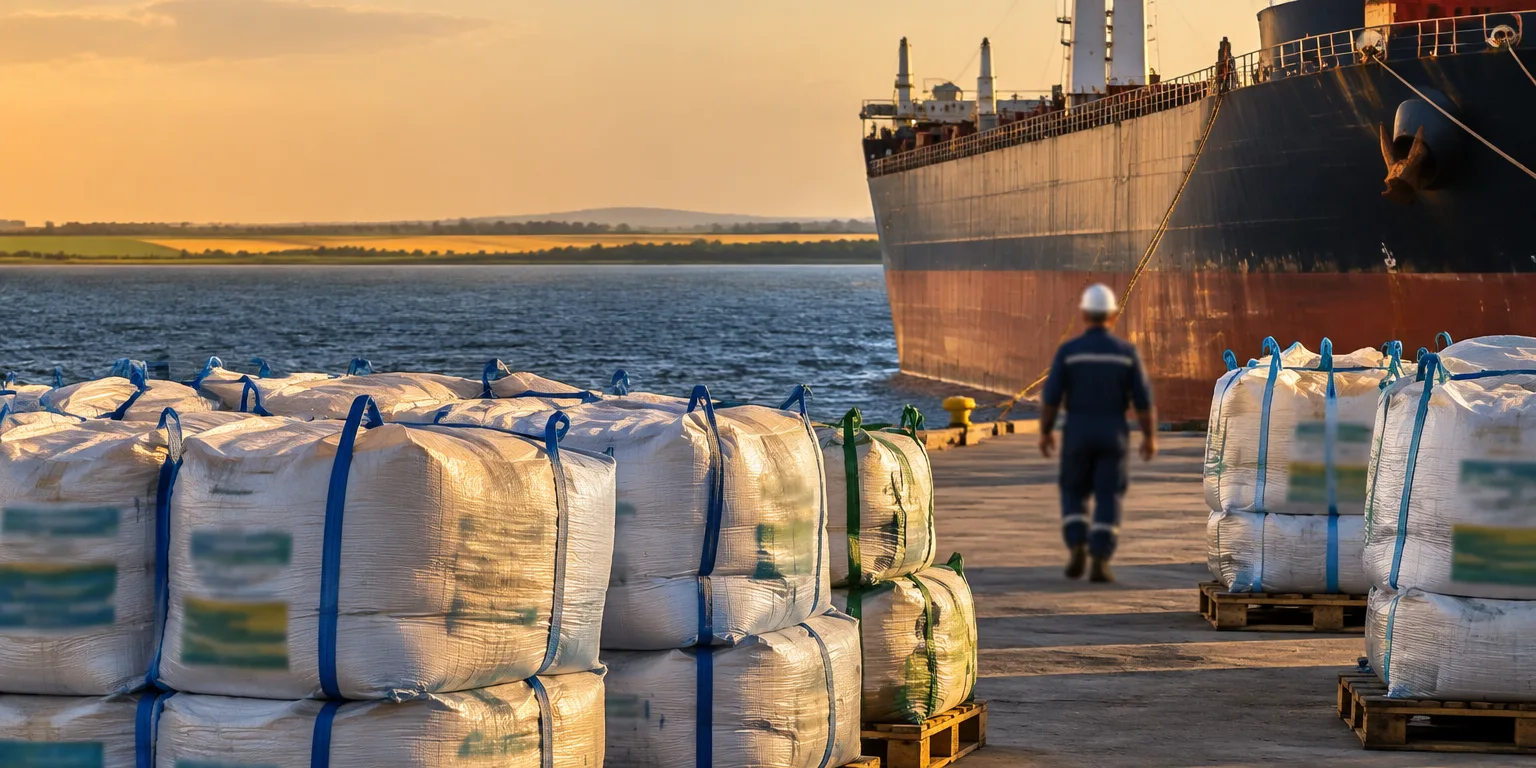
The strait matters because it carries fuel and fertilizer, which feed into grain prices. Before the war, about 20% of the world's oil and liquefied natural gas moved through the strait, along with an even larger share of the world's fertilizer.
Fuel powers planting, harvesting, drying, and delivery, while fertilizer strongly affects how much grain each acre can produce.
When shipments of those inputs slow, growing corn and wheat gets more expensive. Farmers may pay more, plant less, use less fertilizer, or get smaller harvests.
That is why S&P Global has forecast that high fertilizer and fuel costs could help produce a "global food crisis in 2027". Even if the fighting stopped soon, analysts say trade would take months to return to normal, because affordable grain depends on certain and stable shipping.
Questions people ask
Where is the Strait of Hormuz and why does so much pass through it?
The strait connects the Persian Gulf to the open ocean, between Iran and Oman. Oil, gas, and fertilizer produced around the Gulf must pass through it to reach much of Asia, Africa, and beyond, so a closure or slowdown quickly affects world supply.
Why is fertilizer shipped by sea instead of made locally?
Fertilizer is bulky and heavy, and the main ingredients are mined or processed in only a few regions. Moving millions of tons by ship is far cheaper than by truck, rail, or plane, so farmers around the world depend on steady seaborne deliveries.
Can farmers simply use less fertilizer when prices are high?
They can, but harvests usually fall. Fertilizer replaces nitrogen, phosphorus, and potassium that crops remove from the soil, so skipping it for a season or two often means less grain from the same land.