After 23 Years in Candy, Rising Costs Pushed Her to Sell
Unpredictable freight and packaging bills, plus cautious customers, brought back memories of 2008.
 Marketplace · The cost of executive blunders
Erin Calvo Bocci sold CB Stuffer two weeks ago after running the Massachusetts candy company for 23 years. Calvo Bocci said it was the first day she felt “like a fish out of water,” happy about the sale but unsettled.
After more than two decades in specialty candy, unpredictable shipping and packaging costs made expenses hard to forecast. Customers had also grown more particular.
She said another round of cost increases left her fearing more debt and feeling overwhelmed about what would come next. Some seasonal accounts that are usually busy now, such as orchards, were cutting back, bringing back fears from the 2008 crisis she had already lived through.
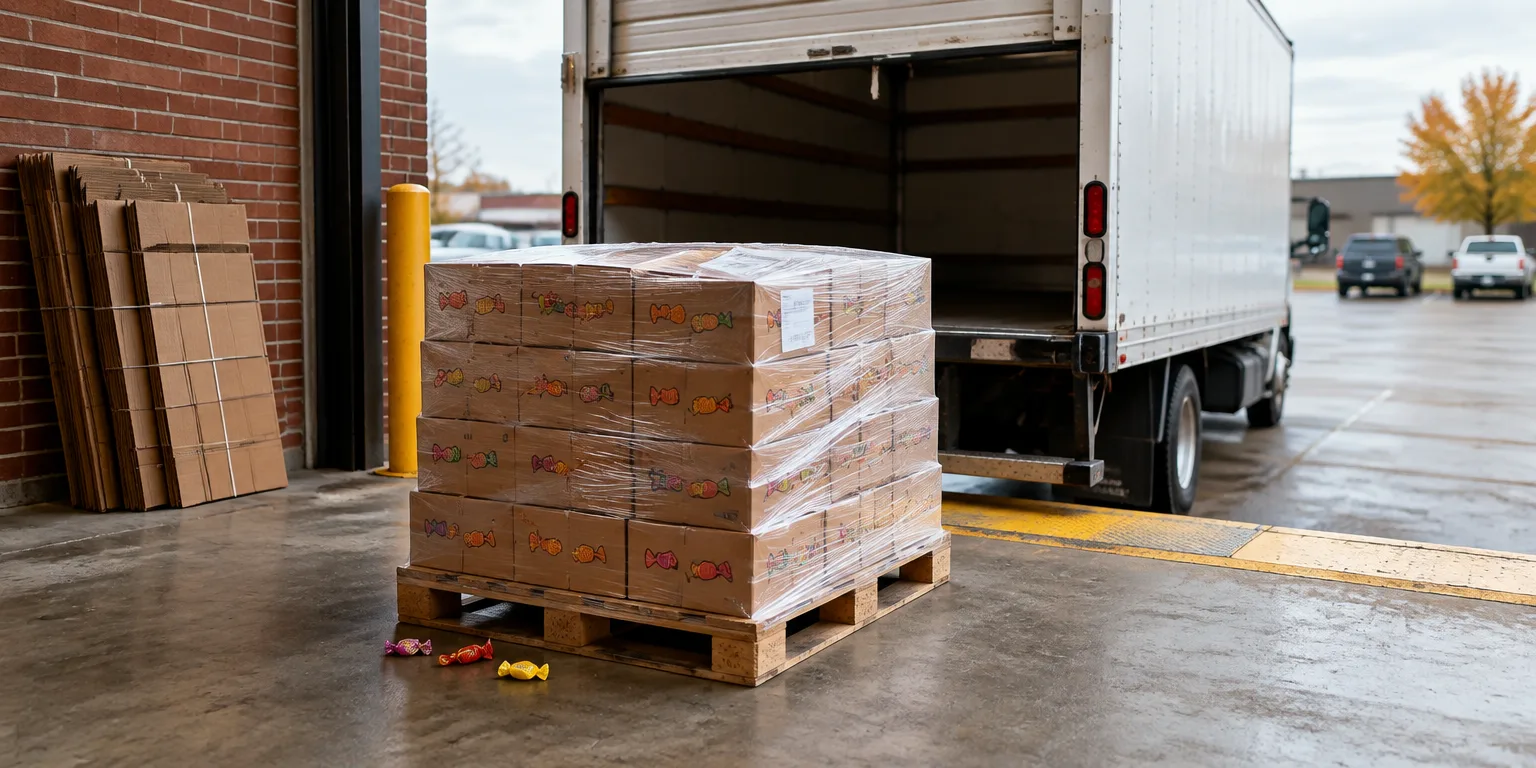
When asked where she saw costs rise most, she pointed to logistics. She had booked a truck to send a pallet to a regular customer, and the price rose overnight before pickup.
Fuel increases played a role, she said, as carriers passed along higher costs. The boxes and other packaging cost more, and delivery of those supplies to her cost more as well, making expenses hard to manage in a short time.
One day she said she was leaving, and her husband told her he could see she was done. That was the defining moment she described. Soon after, someone approached her about buying the business, and the timing felt aligned.
Customers have also become more particular, she said. Calvo Bocci said shoppers are still willing to spend, but “they want everything to be perfect for every dime that they’re spending,” which made it hard to know which accounts would last.
She called the question of who counts as a sustainable customer “the million dollar question.” She said she still does not know exactly who that customer is now.
She had started teaching high school students interested in entrepreneurship the night before the interview, and she is open to making teaching a new career. She said she wants students to understand both the challenges and how to get past them, and she takes pride in having sold the business rather than closing it. She has also agreed to stay on briefly to help with marketing.
Questions people ask
What does it mean that her company was a retailer and a wholesaler?
A wholesaler sells in bulk to other businesses, such as orchards, gift shops, or farm stands, which then sell to shoppers. A retailer sells directly to shoppers. CB Stuffer did both, so it faced costs on both sides, buying supplies and shipping finished candy.
Why would a booked freight rate jump from one day to the next?
Trucking rates for partial loads can move quickly because they reflect diesel prices, driver availability, and demand on a route. A booked quote can change if fuel surcharges reset or the carrier reprices the lane before pickup. For a small shipper sending one pallet, there is little leverage to lock in a lower rate.
Why did packaging hit her twice?
Paper boxes, trays, and cushioning are tied to pulp, energy, and transportation costs, so increases can compound. The seller pays more to buy the packaging, then pays more again to have it delivered. For candy, where presentation matters, switching to cheaper packaging is not always an option.
Why were orchards such an important customer?
Many orchards and farm stands earn much of their income in the fall, when visitors buy apples, cider, donuts, and gifts. Specialty candy is an add-on purchase that depends on foot traffic and discretionary spending. When those stands expect fewer visitors, they order less inventory.