Made in China Is Winning Back Picky Buyers
After decades building other companies’ designs, Chinese factories launched their own brands and are starting to win over picky buyers.
 Marketplace · The cost of executive blunders
The label that once warned shoppers about plastic toys and T-shirts now shows up on computer chips, self-driving cars, and the phones in American pockets.
The change follows a familiar path. Made in Germany was once the gold standard for quality, while Made in Japan suggested something cheaper. Then Japanese factories got very good at manufacturing, and shoppers changed their minds.
China traveled the same road. For years, Western companies brought their own designs to China to be built, and Chinese factories learned how to build them very well.
Then those contractors asked a new question, according to Bloomberg writer Wes Kosova: why keep building for other brands when we can create our own?
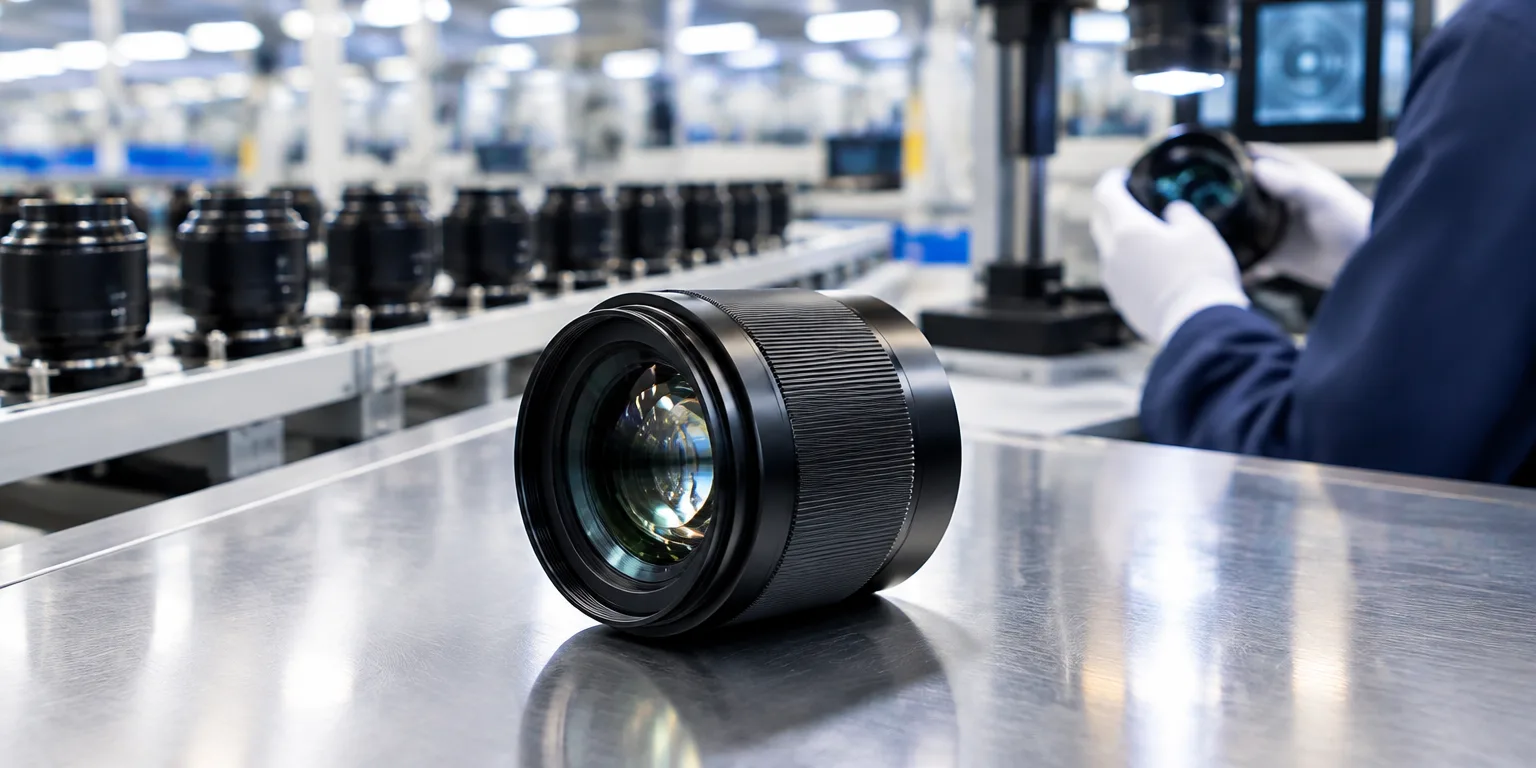
Take camera lenses, a product that serious hobbyists obsess over. Chinese company Viltrox started out making budget alternatives to lenses from giants like Nikon and Sony.
Viltrox then invested in better manufacturing and better materials, and the results improved. Its lenses can now compete with major brands like Fujifilm at a lower price, and the old hesitation among photographers is starting to fade.
The same upgrade has reached everyday items such as pens and athletic footwear. The quality changed first in some products, and perceptions are catching up, though older associations still linger for many shoppers.
Questions people ask
Did Germany really go through the same reputation change?
Yes. In the late 1800s, Britain required a Made in Germany mark partly to warn shoppers away from cheap imports. German makers then invested in engineering, technical schools, and strict standards, and within decades German tools, chemicals, and cameras were seen as premium.
How much cheaper is a Viltrox lens?
The source does not give a dollar figure. It says only that Viltrox can now compete with big brands like Fujifilm at a lower price.
Do most shoppers already see Chinese goods as high quality?
Not yet. Kosova says many people still associate the label with low cost and low quality. He argues the quality of Chinese manufacturing is now much better than those lingering associations in certain products.