After Months of Hunger, an Arctic Commander Ordered a Thief Shot
Living on shrimp, lichen, and boots, Greeley's stranded men decided that stealing food was a capital crime.
 American History Tellers · Greely Arctic Expedition | The Longest Winter | 3
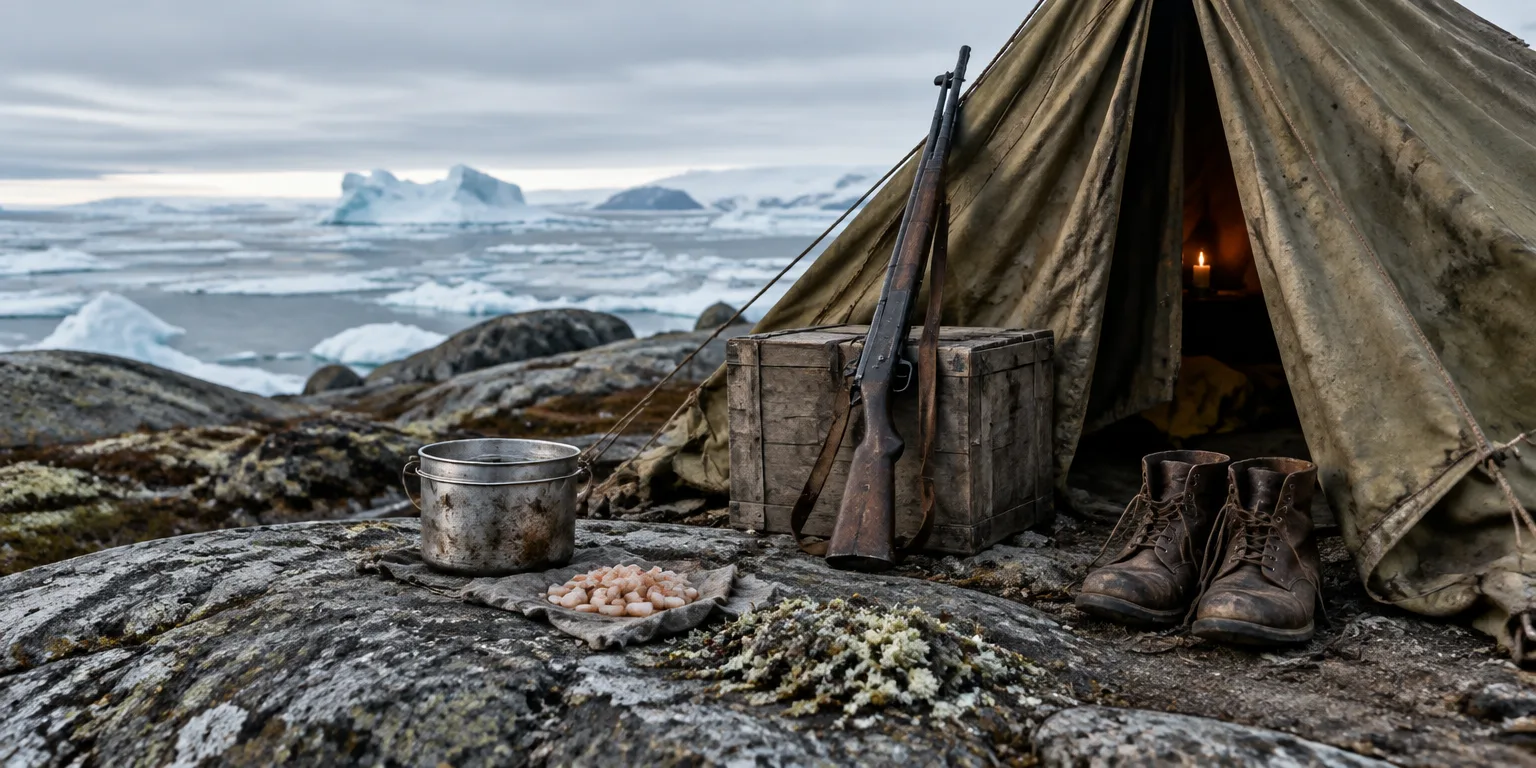
On June 5, 1884, Private Charles Henry was caught stealing shrimp. The survivors were living in an old tent set up on a hill in the Arctic.
Henry was a soldier in a 25-man U.S. Army expedition led by Adolphus Greeley, then stranded near Cape Sabine in the far north. The men caught tiny shrimp to eat.
This is a story about what hunger does to order. After months of suspicion and shrinking rations, Greeley decided that one more theft would be punished by death, and his men agreed to carry it out.
By winter the party had been living on about three-quarters of a pound of food daily. One man kept challenging others to fight outside. Another would not leave his sleeping bag. Several hallucinated or grew paranoid.
On February 1, two men tried to reach food left on Littleton Island by relief ships. Open water filled with icebergs blocked them. The cache was only 23 miles away, but the ice would not bear them, and their boats were needed to reinforce their shelter.
Sergeant David Brainerd calculated they could last until April 1. That was still too early for a rescue ship to break through. Deaths came as predicted, first in ones and twos, then faster in the spring.
The men abandoned their rotting hut for a tent and finished the last official rations on May 16. After that they lived on birds when they could shoot one, plus shrimp, insects, lichen scraped from rocks, wax from candles, leather from boots, and even waste left by birds. By June 1, only 14 of the original 25 were still alive.
For months the survivors had suspected someone was stealing food. When Henry was caught on June 5, Greeley put it in writing. The next man caught stealing would be executed.
The following morning Henry took shrimp without permission once more. Greeley directed three men, including Brainerd, to shoot him. They drew lots to decide who would fire, and swore never to tell which of them fired the shot. On June 6, Henry died from a gunshot to his chest. The camp doctor, Octave Pavie, passed away the following day.
Questions people ask
Why couldn't they reach food only 23 miles away?
The food was on Littleton Island, about 23 miles away across open water and unstable ice. In February the ice would not support walking, and the men needed their small boats to reinforce their shelter, so they could not sail for it either.
Were any of the men rescued?
Two Navy ships reached Cape Sabine on June 22, 1884, about two weeks after the shooting. They found seven men alive, and one died on the voyage home, leaving six survivors from the original party of 25.
What were they eating besides official rations?
Shrimp were among the few calories the men could still gather after official rations ran out on May 16. They also ate birds, insects, lichen, candle wax, and leather from boots, but none of it supplied enough energy to stop starvation.