AI Models May Carry a Fingerprint of the Chips That Initialized Them
A former OpenAI researcher says six Chinese models match Nvidia’s barred Blackwell chips.
 The AI Daily Brief: Artificial Intelligence News and Analysis · Washington Is Taking Control of AI
Former OpenAI researcher Will DePue says "almost every AI model carries a hidden signature of the GPU that trained it," and that the signature can survive into the finished product.
His claim concerns the chip used to set up the model, rather than the chips that handled later training.
The idea starts at the very beginning of training, when engineers set the initial values for a model’s internal dials, known as weights. DePue says the layout of those starting values depends on the exact graphics chip doing the setup.
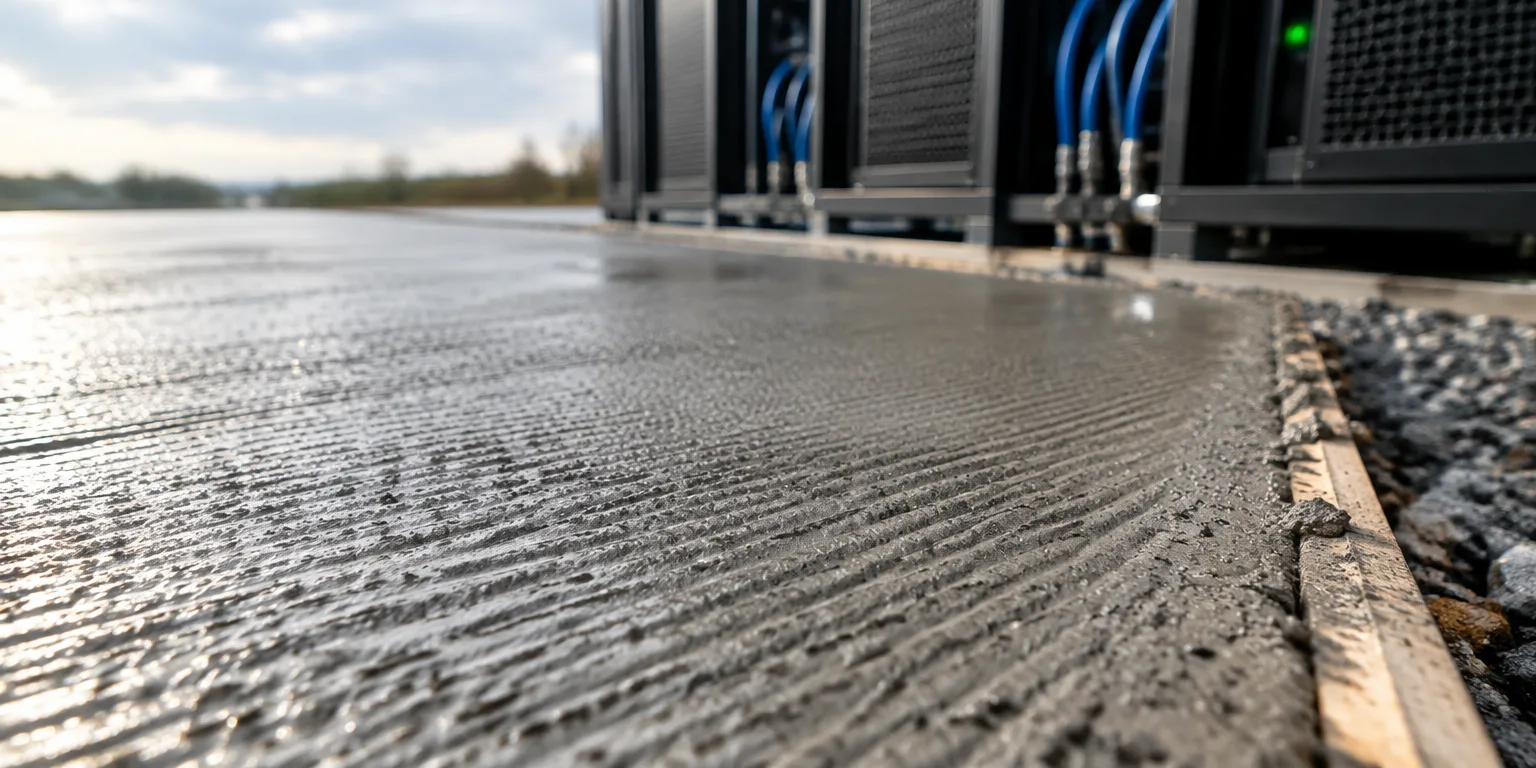
Each pairing of chip layout and a random starting number, called a seed, produces a different pattern. Think of it like a fingerprint left in wet cement, faint but still visible after the sidewalk hardens.
DePue says he tested that fingerprint by comparing published model weights against more than six trillion possible chip and seed combinations. He says six Chinese models, including DeepSeek V4 Pro, Kimi K3, and Minimax M3, began on Blackwell hardware.
Four of the six match Grace Blackwell GB200 and GB300 systems used in Nvidia’s flagship liquid-cooled racks. Blackwell is Nvidia’s most advanced line of AI chips, and U.S. rules prohibit selling those chips to China.
If correct, the result would undercut the story that Chinese labs caught up using far less computing power. DePue says experienced researchers at OpenAI and Anthropic independently verified his match, though the method itself remains his claim, not settled proof of how the chips were obtained.
Questions people ask
What makes Blackwell chips special?
Blackwell is Nvidia’s newest and most powerful family of AI chips, used to train large models faster and more efficiently than older chips. The United States bars their export to China, so a match would suggest the export rules were evaded.
Would a fingerprint prove chip smuggling?
It would not. A fingerprint could suggest Blackwell chips were used, but it would not by itself show how they were bought or moved. Investigators would still need shipping records, corporate documents, and other evidence to prove smuggling.
Could a lab hide or fake the fingerprint?
In principle, a lab could try to hide its hardware by altering published weights or by initializing a model on one system and training it on another. DePue’s claim is that traces of the original setup survived in the models he examined, not that the trace is impossible to remove.