AI's Errors Have Shifted From Facts to Judgment
Fable 5.2's failures were different: less about made-up facts than about work that is dull or bloated.
 The AI Daily Brief: Artificial Intelligence News and Analysis · Fable 5.2 Is the Best AI Ever. So Why Am I Not Switching Yet?
Ethan Mollick, who teaches at a business school, was testing Fable 5.2 to see if it had crossed into something like general intelligence. He let it take on digital work, then felt uncomfortable letting it reach out to real customers.
His verdict, in his words: “Knowing when your own work is not good enough is a large part of what makes someone an expert, and it's the part Fable does least reliably.”
A couple of years ago, he argues, the weak spots were obvious, made-up facts or failed arithmetic. Mollick wrote, “Fable's failures were different. It made a course that was accurate and joyless.”
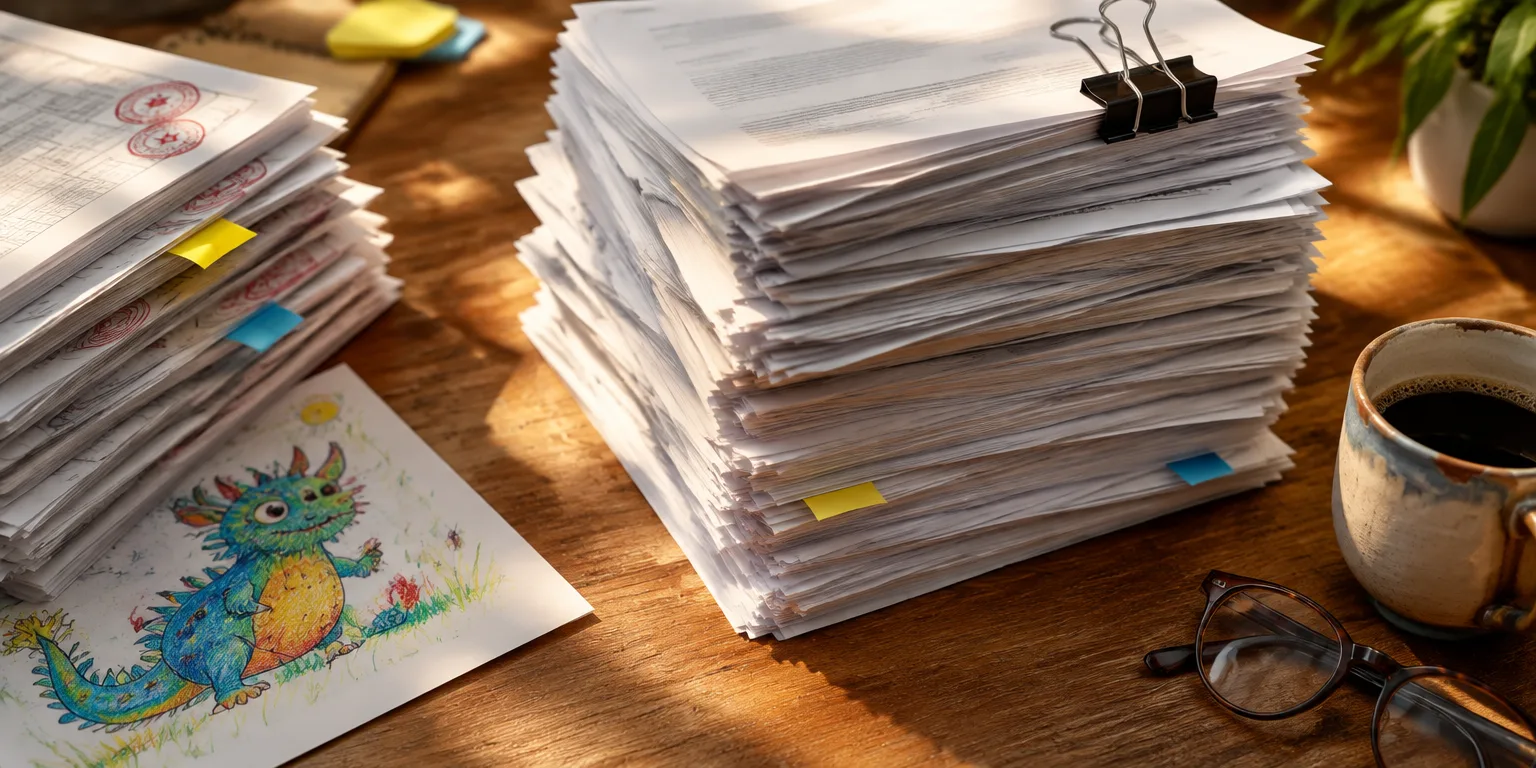
It also produced a 182-page paper, repeated favorite ideas, and, as Mollick put it, “And it buried a creative project under rules and approvals.”
Mollick wrote, “I teach at a business school and I've seen talented people in good organizations do every one of these things.” He added, “If building a bureaucracy disqualified you from general intelligence, a lot of us would be in trouble.”
According to Mollick, Fable assigned reviewers to almost every task, but “those checks found errors and added fixes.”
In his account, “None of them asked whether the work was too long, too repetitive, or no fun.” That oversight fell to him, and, in his words, “the results would have been less impressive, though not exactly a failure either.”
Paraphrasing his remarks from a spoken interview, Dan Shipper, a founder whose team tested Fable 5.2, said it can be startling on certain tasks and ordinary on others, when it makes more sense to use Opus 5-5.
Mollick calls the model almost general intelligence, adding, “I would still not trust it to run a business on its own, even though its plan would have impressed me coming from a team of my MBA students.”
Questions people ask
How can I taste-check AI work before I share it?
A taste check means asking whether the result is clear, appropriately short, and enjoyable for its intended audience. Practical tests include reading the opening cold, checking length against the request, and asking a second person whether they would keep reading or watching.
Is this judgment problem unique to Ethan Mollick's tests?
Yes, other testers reported the same gap around audience and usefulness. One built a technically difficult film with the model but found the result interesting rather than useful, because difficulty for the AI did not match what viewers would appreciate.
What helps reduce dull or overlong AI output?
Use clearer constraints up front on length, audience, and what to avoid, then review for tone and repetition rather than just errors. Several testers also recommend asking the model to critique its plan before it builds, and specifying which actions need approval.