Same Fiber Carried Up to 80 Times More Data by Adding Colors of Light
The gain came from sending extra wavelengths together inside one fiber.
 The a16z Show · What the Internet Boom Teaches Us About the AI Buildout | Mike Volpi
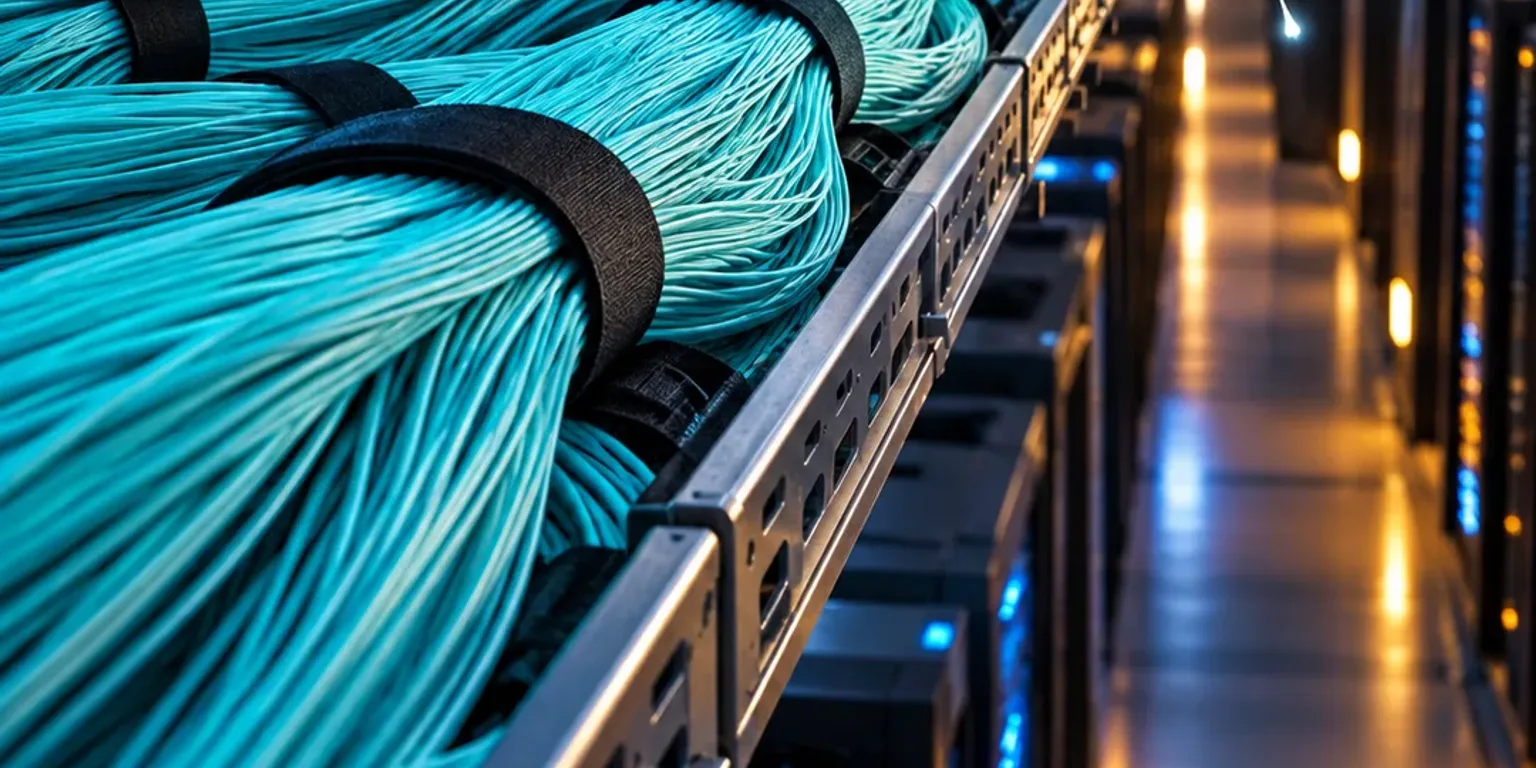
A piece of fiber that carried 1 or 10 gigabits could carry 40 or 80 times that capacity, by sending many colors of light at once.
The method is called wavelength division multiplexing, which sends additional wavelengths together through one fiber. Each color carries its own data, much like adding lanes to a highway.
Former Cisco executive and investor Mike Volpi described the change to show how fiber bandwidth grew differently from computing power. He said the technology raised capacity by a large amount.
Questions people ask
What does color of light mean inside a fiber?
In fiber optics, color means wavelength, or the precise spacing of light waves. Equipment at each end splits the combined beam into its separate colors and reads each one as an independent data stream.
Do networks still use this trick today?
Yes. Modern long-distance and undersea cables routinely send 80 or more wavelengths per fiber, and often carry multiple fiber pairs per cable. The basic idea from the 1990s is still central to how the internet moves data.
Why not keep adding colors forever?
There are physical limits to how many colors can fit without interference, and to how much data each color can carry. When engineers approach those limits, they add more fibers, lay new cables, or improve the electronics that encode the signals.