A Critic Says Amazon's Paid Shipping Plan Helped Raise Prices Everywhere
Alex Falcone argues paid placement buries the best deal and seller rules pushed prices up on and off Amazon.
 Frugal Friends Podcast · Deinfluencing Amazon (Watch Before You Buy)
Alex Falcone, creator of the video series “Why Does Everything Suck Now?”, argues that Amazon got shoppers to stop comparing prices and then raised them.
In his telling, “They used a large pile of investor cash to buy competitors or put them out of business and sell you goods below cost to get you excited about it.”
That was followed by what he calls “their greatest trick ever,” “convincing people that paying $140 a year for shipping was free.”
Once shoppers have paid for shipping in advance, his argument goes, they have less reason to check other stores, which lets prices climb.
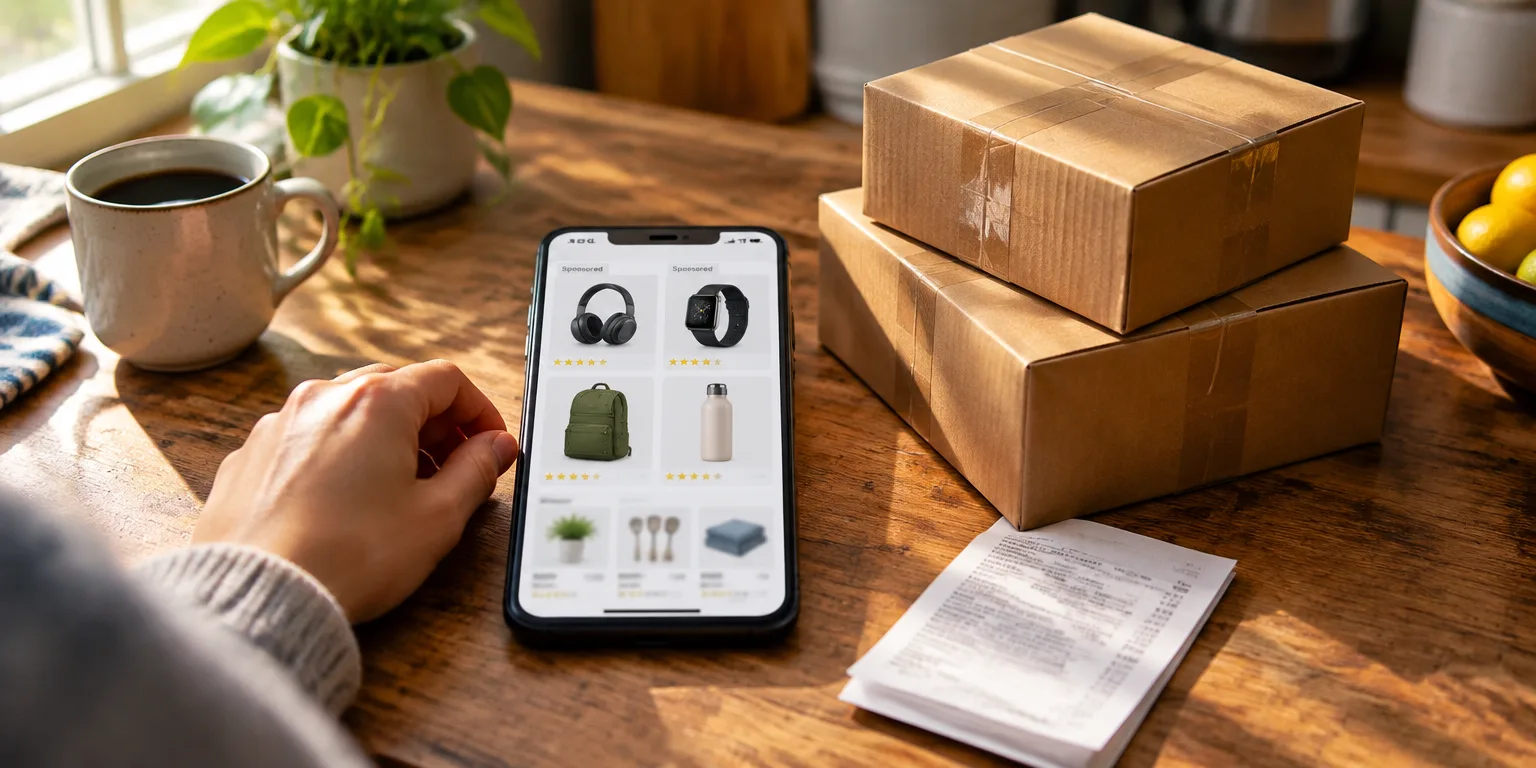
Falcone contends that Amazon makes billions of dollars charging sellers to appear in what he calls fake search results.
In his figures, on average, the first four listings cost 25 percent more than the best deal, which ranks 17th.
He describes a rule that barred sellers from offering an item for less on another website, forcing sellers to raise prices elsewhere to comply.
Amazon dropped an explicit parity rule in 2019 after scrutiny, but regulators say remaining fair pricing policies can pressure sellers in similar ways, an issue that is part of the Federal Trade Commission antitrust case filed in 2023.
On that account, even shoppers who avoid Amazon pay what he calls a tax, because sellers lift prices elsewhere to cover Amazon's demands.
Questions people ask
How much does Prime actually cost?
Amazon lists Prime at $139 a year. Prime Video charges an additional $2.99 a month for viewing without ads, so the total depends on whether a member pays to avoid ads.
Does Amazon identify paid placements in search?
Amazon labels many paid placements with a Sponsored tag in search results. Those top spots can still look like ordinary search rankings to a busy shopper.