Democrats Turned Data Center Complaints Into a Fight Against Billionaires
Goldberg described noise, water, and view complaints that Democrats used in populist campaigns against billionaires.
 The Ezra Klein Show · How the Democrats Did It
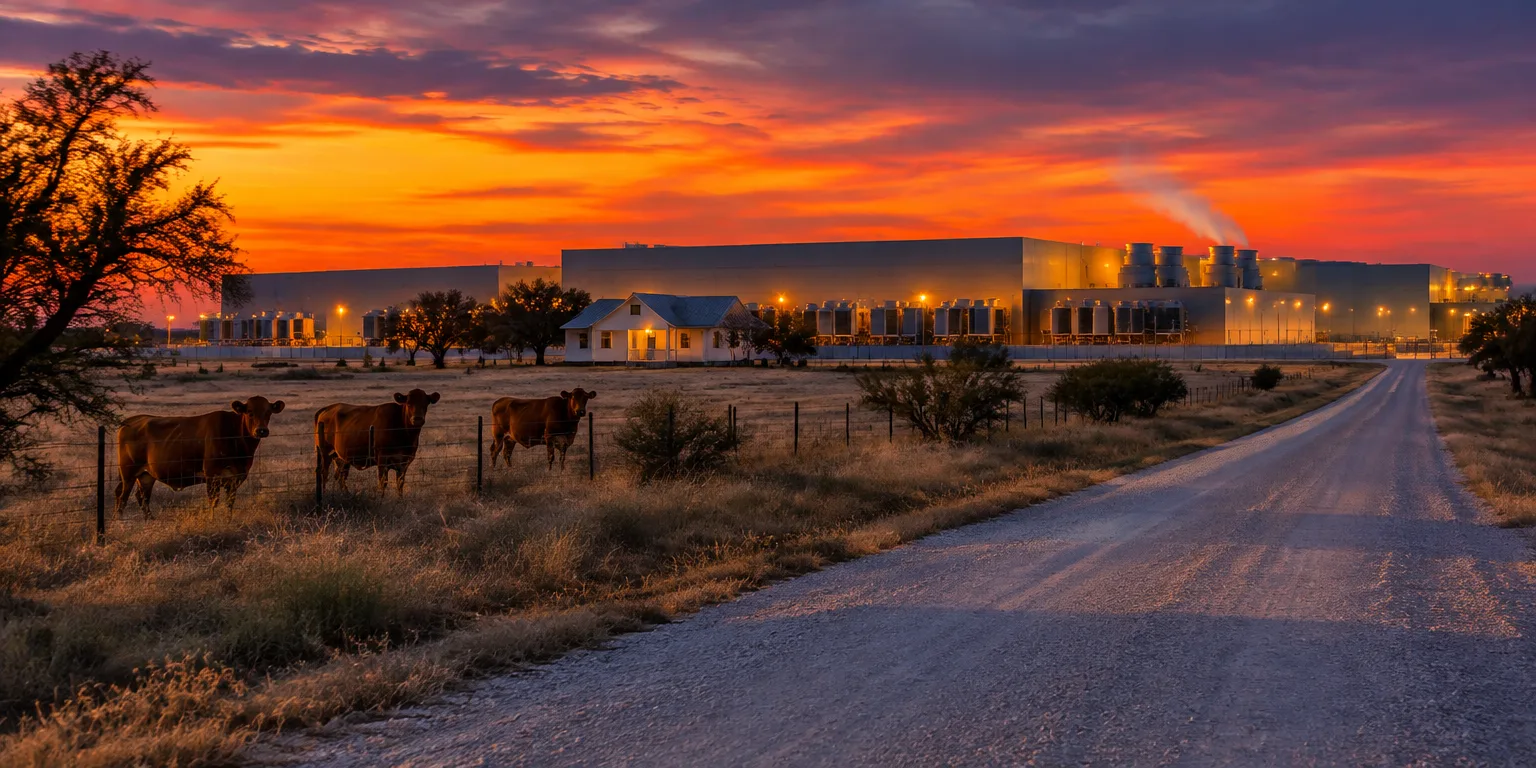
In rural Texas, some neighbors of new data centers, the big buildings full of computers that run artificial intelligence and crypto mining, told Michelle Goldberg, a columnist who covered the race, that they could no longer sleep at night. She said others reported agitated livestock, ruined views, and home values that fell so far they could not sell and move.
The complaints were physical and local. The centers run constantly, and residents described the noise and construction as turning country land they chose for quiet into industrial ground. Water added another worry, because the facilities use large amounts of water to stay cool.
James Talarico, the Democratic candidate for the U.S. Senate in Texas, made that anger part of his campaign. Goldberg said he paired a neighborly message about being tired of hating neighbors with sharp attacks on tech billionaires. He lost the Senate race to Ken Paxton.
Gina Hinojosa, the Democratic candidate for governor, used a similar argument. She framed the contest as ordinary Texans against billionaires and promised to cancel contracts that threatened drinking water. Democrats won the governor's race in Texas.
Ezra Klein, who hosted the conversation, joked, “Ask not what the crypto mine can do for you, but what you can do for the crypto mine.”
The appeal, as Goldberg described it, was that immediate threats can push other debates aside. When people feared for homes, schools, jobs, and water, she said, arguments over culture mattered less than unchecked billionaire power.
Questions people ask
Why would a building full of computers threaten drinking water?
Mostly for cooling. Servers generate enormous heat, and many centers use water-cooled systems or evaporative cooling, plus water used to generate the electricity they consume. That is why fights often focus on local aquifers and drinking supplies during droughts.
How can a data center be loud enough to bother people and animals?
They run cooling fans, backup generators, and electrical equipment around the clock. Neighbors often describe it as a constant low buzz or drone, and rural areas have little background noise to mask it, so it carries farther at night.
Do data centers affect electric bills too?
A single large center can use as much power as tens of thousands of homes. Utilities sometimes build new lines and plants to serve them, and residents worry those costs, plus higher local demand, will show up in their own bills.