An AI Shopper Locked Up to 20 Secondhand Luxury Items in Its Cart for Hours
The RealReal closed the loophole a few days after her story was published, showing how bots could tie up scarce goods.
 Marketplace · Inflation just won't quit
Mia Sato, a technology reporter for The Verge, set out to learn whether she could outsource her holiday shopping to artificial intelligence. Companies including Meta, Google, and OpenAI say their shopping agents can hunt for gifts so shoppers do not have to.
In theory, the assistants can do almost the entire job. They can research products, compare one moisturizer with another, track down a best-selling toy and its reviews, put items in a cart, and on connected retail sites, check out and pay.
So far, few shoppers appear to trust them that far. Some retailers have told her they processed only a few hundred agent purchases, while others reported single digits. Most use is still searching and narrowing ideas.
Even that takes supervision. Sato described shopping with an agent as looking through a pinhole, because it follows directions narrowly and needs repeated feedback. People change their minds constantly, she said, so training it can become tedious.
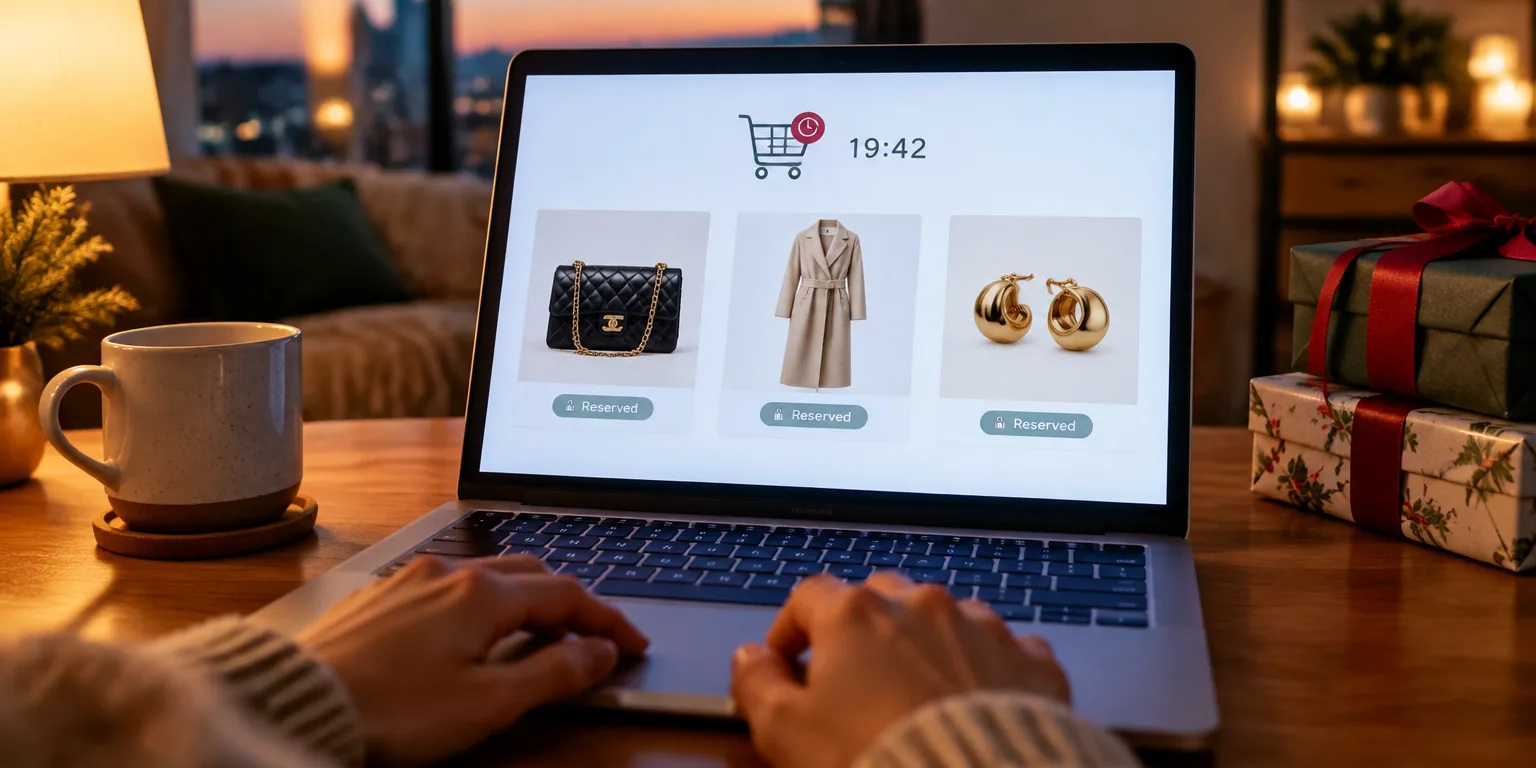
Then she tried an experiment on The RealReal, a website that resells secondhand luxury fashion. She asked Meta's Muse agent to load 10 or 20 items into her cart all at once.
The site automatically reserves anything in a cart for 20 minutes, and no other customer can buy it during that window. When the hold expired, Sato told Muse to add the whole batch again, resetting the clock.
The loop kept running for hours and hours. All the while, those 10 or 20 listings remained locked in her cart, unavailable to anyone else browsing for the same finds.
Sato asked The RealReal for comment about the tactic. A few days after her story was published, the company changed its system and closed the loophole.
The fix solved one case, but Sato said it hinted at what online shopping could become as automated agents swarm popular stores. Retailers are of two minds, she said: online companies are adding their own AI features, but letting outside agents browse carries risks. For Amazon, serving ads is a huge part of the bottom line, and an agent does not care about boosted listings, while shoppers who browse themselves may also accept a checkout offer or suggested product that companies want them to see.
Questions people ask
Can AI shopping agents actually buy things with my credit card?
Yes, on some connected stores. The agents can research and compare products, add them to a cart, and complete checkout if you give them payment information. So far, though, retailers say such purchases are rare.
Why was a secondhand site especially vulnerable to this trick?
Because each listing is a single used item, holding an item removes the only copy from sale. Combined with a 20-minute cart hold that no other shopper can override, re-adding the same items kept them out of circulation. On sites with many copies in stock, the same trick would matter less.
Do retailers want these outside shopping agents on their sites?
They are of two minds. Retailers are building their own AI helpers, but outside agents can ignore promoted listings and skip checkout offers or suggestions that encourage extra spending. For Amazon in particular, ads served on its platform are a huge part of the bottom line.