Police Drones Can Arrive Before the 911 Call Ends
Docked at fire stations around a city, they launch in seconds and let officers see an emergency quickly, Smith says.
 All-In with Chamath, Jason, Sacks & Friedberg · Freedom vs. Safety: Axon CEO Rick Smith on the Future of Policing
Sometimes, when someone calls 911, a police drone is already overhead before the operator has finished entering the call for help. That is the account Rick Smith gives of how fast the system can work.
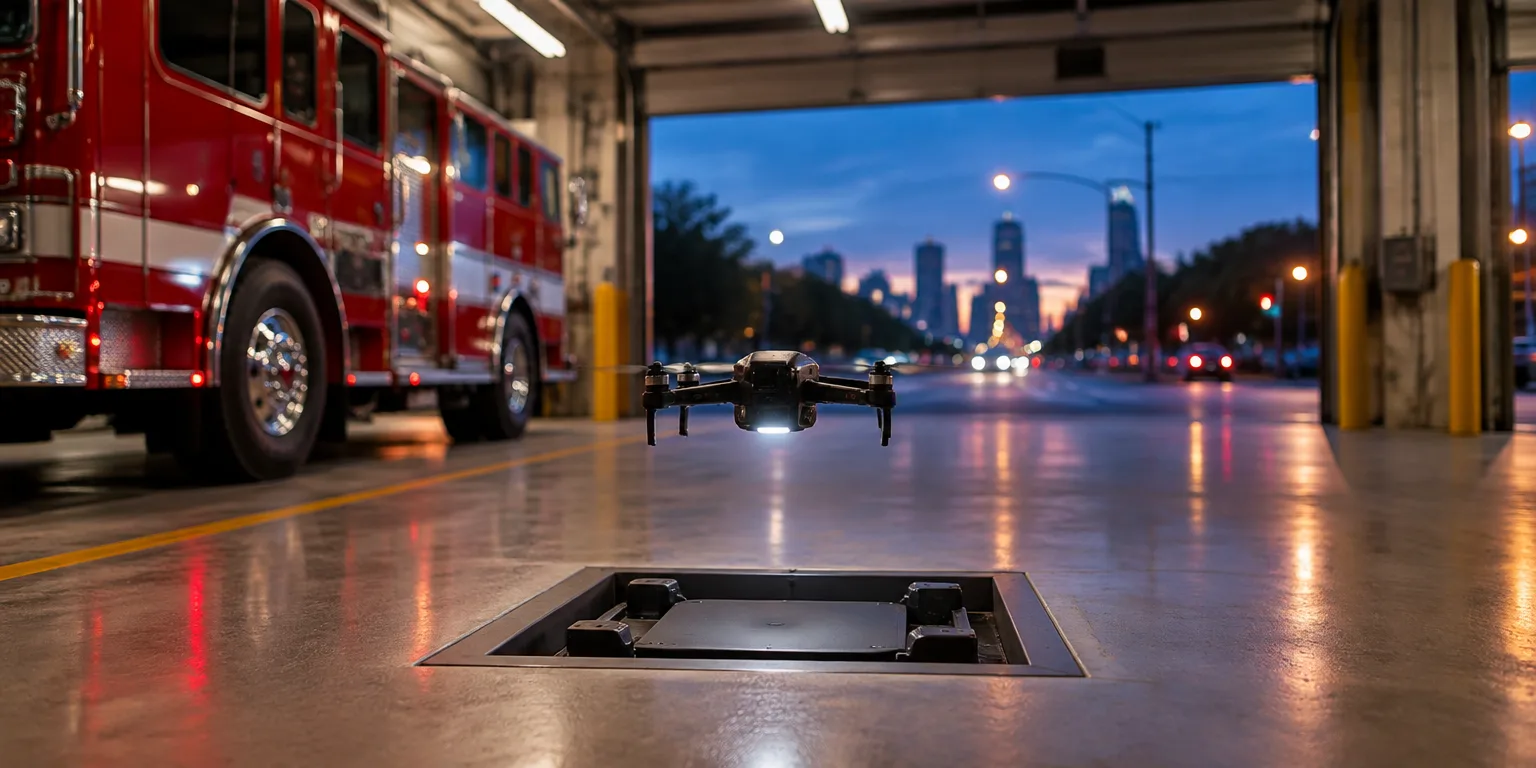
Smith is the chief executive of Axon, the police technology company known for Tasers and body cameras. He says Axon has partnered with Skydio, which builds robotic autonomous docks that let a drone launch from fire stations placed around a city.
Smith describes the drones as part of Axon's stated mission to protect life. He says the goal is to reduce shootings, excessive force, and wasted trips to alarms that turn out to be nothing.
When a call comes in, Smith says, a drone can leave its dock and reach the scene within seconds. He says that quick view helps police see what is happening.
Smith says that early look means officers make fewer trips to alarm calls. That, he says, lets departments focus resources on larger emergencies.
To address concern about misuse, Smith says most agencies have policies where drones are not just flown around on patrol. He says they fly specifically to places where someone has called for help, and “agencies can share their mission profiles” so the public can see how the drones are being used.
In some cases, Smith says, officers have flown a drone down to distract a person or have had people surrender to a drone.
Questions people ask
Do these drones need a pilot?
Mostly, no. In the setup Smith describes, a certified operator watches from a control screen and can take over, but the flight to the scene is largely automated. U.S. departments doing this kind of beyond-sight flying generally need Federal Aviation Administration permission and operate under strict flight rules.
Who sees the drone video, and how long is it kept?
In practice, the video is streamed to dispatchers and officers responding to that call, and then saved as evidence. Departments set their own retention rules, often keeping video from serious incidents longer than routine flights, with access limited to authorized staff and shared through secure evidence systems.
What happens in bad weather?
They are limited. Heavy rain, high winds, very cold weather, and downtown buildings that block signals can delay or ground a flight. That is one reason departments treat drones as a fast first look, not a replacement for officers, firefighters, or 911 call takers.