A Phoenix Officer Says a Body Camera Stopped a Threatened Rape Accusation
The account, relayed by Axon's CEO, turned early police skepticism into a claim for protection.
 All-In with Chamath, Jason, Sacks & Friedberg · Freedom vs. Safety: Axon CEO Rick Smith on the Future of Policing
In the officer's account, the woman in the back of his Phoenix patrol car was a prostitute who was more than half naked and, as he put it, "high on some sort of drugs." He was driving her to the station.
As they drove, she started screaming at him, the officer later recalled. Release her at once, she said, or she would say he raped her.
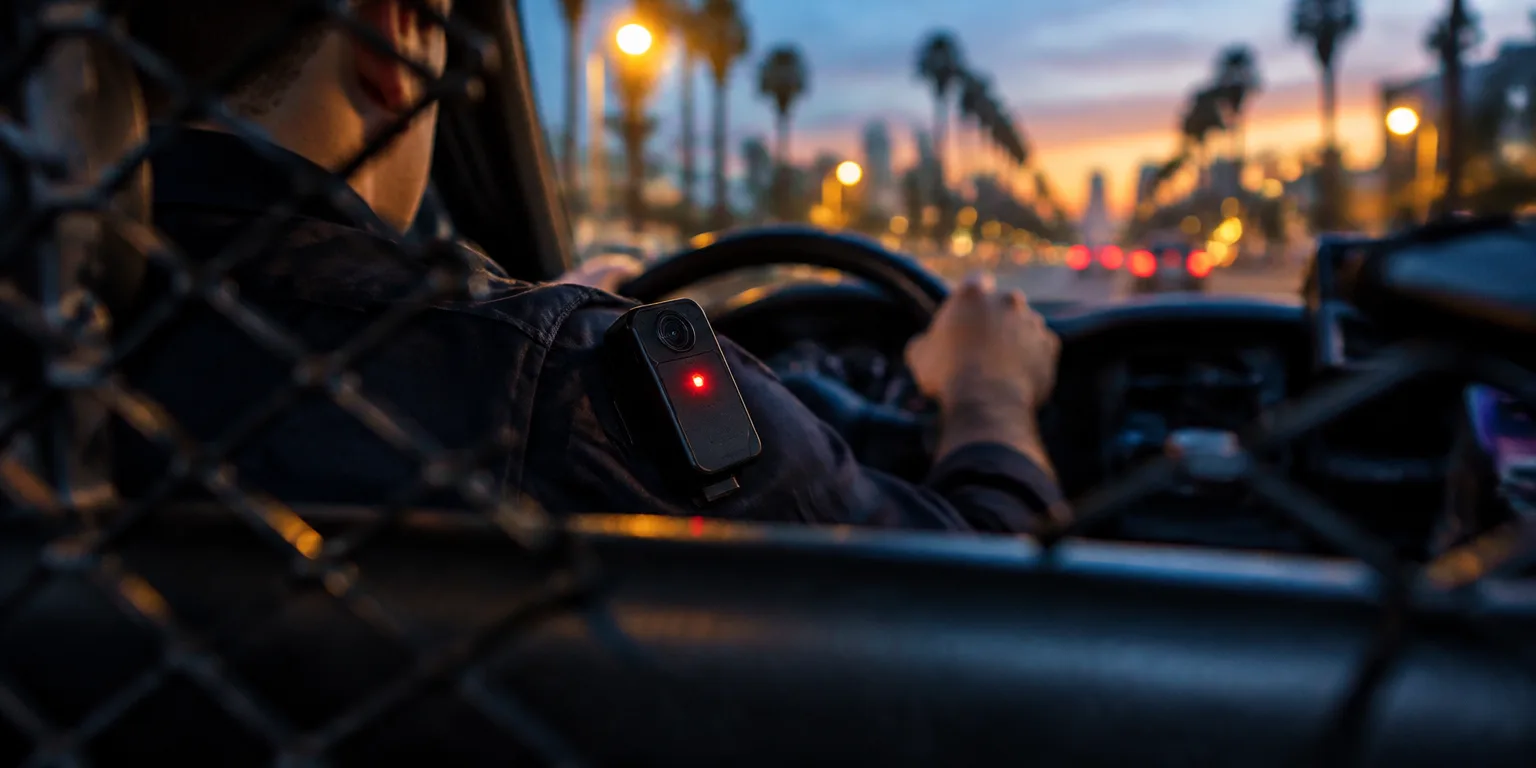
In the officer's telling of the encounter, he answered calmly. He told her he was wearing a body camera, a small device pinned to his uniform that records sound and video, and that it had been recording the entire interaction.
She was free to say whatever she wanted, he said, but it was all being recorded. She went quiet and settled down.
The account comes secondhand, from Rick Smith, the chief executive of Axon, the police technology company that sells the cameras. Smith said he heard it from the officer while on a ride along in Phoenix when cameras were still new to the department.
For Smith, the episode illustrates his claim that cameras can protect officers as well as the people they arrest. He contends that people being arrested often lie about officers, though he offered this anecdote rather than a count.
Smith's point that cameras can protect officers was a reversal from officers' early reaction to cameras. Smith said they worried the video would be used to second guess them or get them in trouble.
A police union leader told Smith: "no cop wants to wear a body camera until they've worn one for 90 days, and then they will not go on patrol without it."
Smith said the officer told him a rape accusation could have ended his career, in Smith's phrase, "with no way to disprove it."
Questions people ask
Can officers turn the cameras off?
In most departments, officers are supposed to keep cameras on during calls, stops, and arrests, and can turn them off for breaks or private conversations. Policies differ by city, and violations can lead to discipline, but recording is not continuous in most places.
Who gets to watch body camera video?
The video is usually stored by the police department or a company it hires, and it can be used in court, internal investigations, and public records requests. Many states allow faces, addresses, and other sensitive details to be blurred before release.