An Hour at the Gym May Not Undo a Day of Sitting
Townsend and Brockman recommend short walks, steady sleep, good food, and attention to core stability.
 HEALTH TALK AMERICA · The Future of Healing: Exosomes, Stem Cells, and the Fall of the “Gold Standard”
Adam Brockman, a clinician who sees patients in his clinics, says many people wait until pain appears to seek care. By that point, he says, cellular damage has often been building for years.
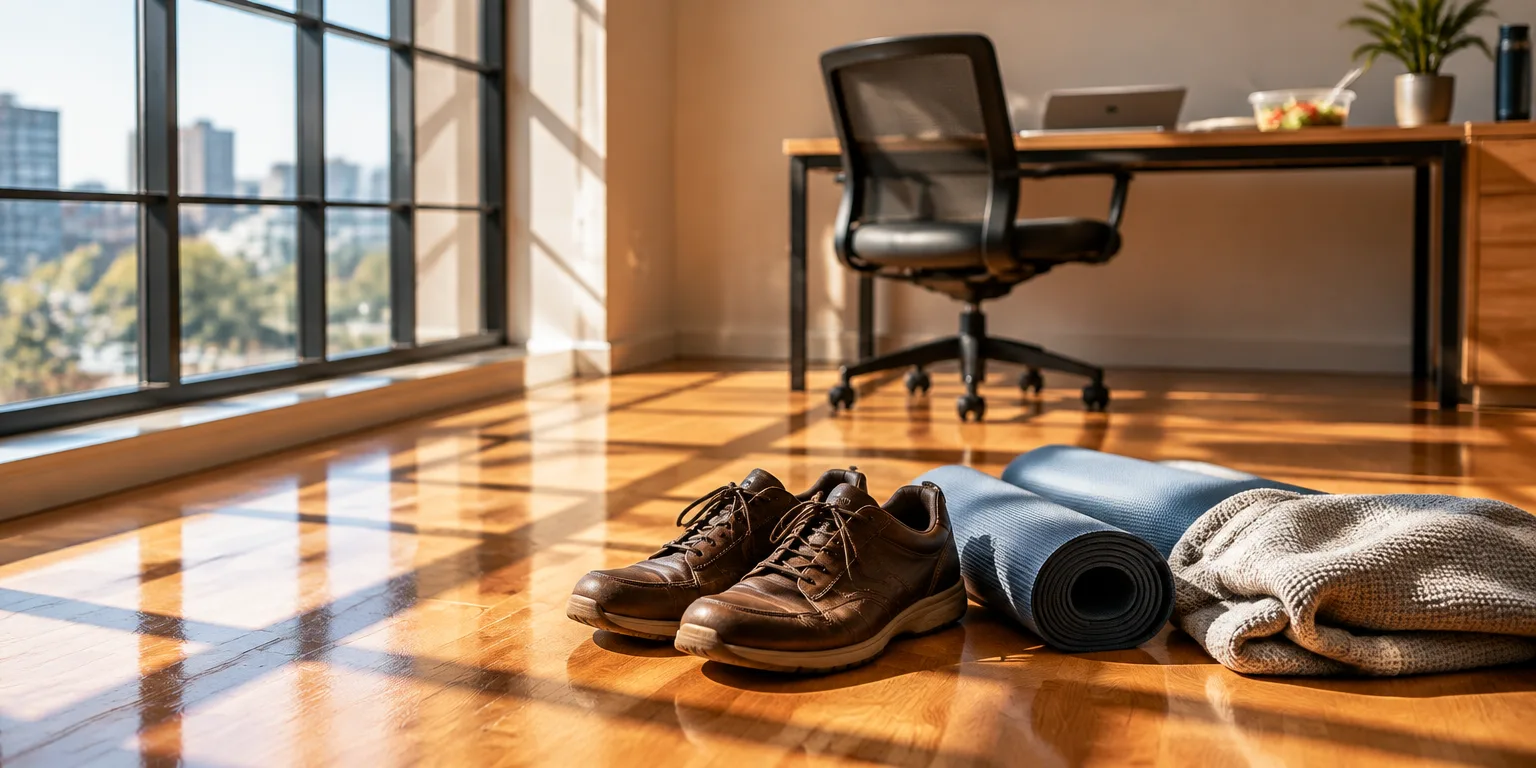
The larger risk he names is stillness. He says even an hour in the gym may not offset "sitting for the other 23 hours," a pattern he links to metabolic dysfunction.
Brockman calls the pattern micro-inactivity, in which long sitting stiffens tissues while poor diet adds inflammation. As one break from stillness, he points to a 10-minute walk at lunchtime, which he says can matter a great deal.
Grant Townsend, chief executive of biologics company NuvaCell, comes at the same problem from prevention. He says he put off injuries too long and missed early steps that could have kept his body in a better position.
Townsend names sleep, nutrition, and exercise as foundations. He says without the right fuel the body lacks resources to heal and sustain itself, and he links staying active with age to lower vulnerability to injury and decline.
Sketching a broad approach to the body, Townsend poses questions about what people need, such as whether to stretch each morning or do core exercises to stabilize the back. He calls that kind of stabilization work very important as bodies break down with age.
The shared starting point is to act on early stiffness rather than chase pain. For Townsend, the goal is not only added years but more healthy and meaningful ones.
Questions people ask
Why does sitting for hours leave the body feeling stiff?
Connective tissue and muscles are often described as tightening during stillness, while gentle motion circulates fluid around joints. Researchers associate long uninterrupted sitting with temporary stiffness and slower metabolic processes. Brief movement is widely reported to restore easier motion.
How is sleep linked to recovery?
Sleep researchers link deep sleep with tissue repair, bone remodeling, and regulation of inflammation and pain sensitivity. Short or disrupted sleep has been associated in studies with greater soreness and fatigue. The American Academy of Sleep Medicine and the Sleep Research Society recommend seven or more hours for most adults, with seven to nine hours commonly cited.
What is meant by core work for the back?
In rehabilitation and exercise literature, core work generally means endurance in abdominal, back, hip, and pelvic muscles that stabilize the spine. Programs often study moves such as bird dogs, side planks, bridges, and dead bugs. Clinical guidance commonly lists pain radiating into an arm or leg as a reason to stop and seek evaluation.