Old Apples Are Coming Back After a 50-Year Hunt by Apple Detectives
Fifty years of poring over old maps and catalogs is bringing back homely apples that taste of spice, sparkling wine, and banana bread.
 The Headlines · The Downfall of Trump’s Ambassador to Greece, and the Pope’s Cancer Diagnosis
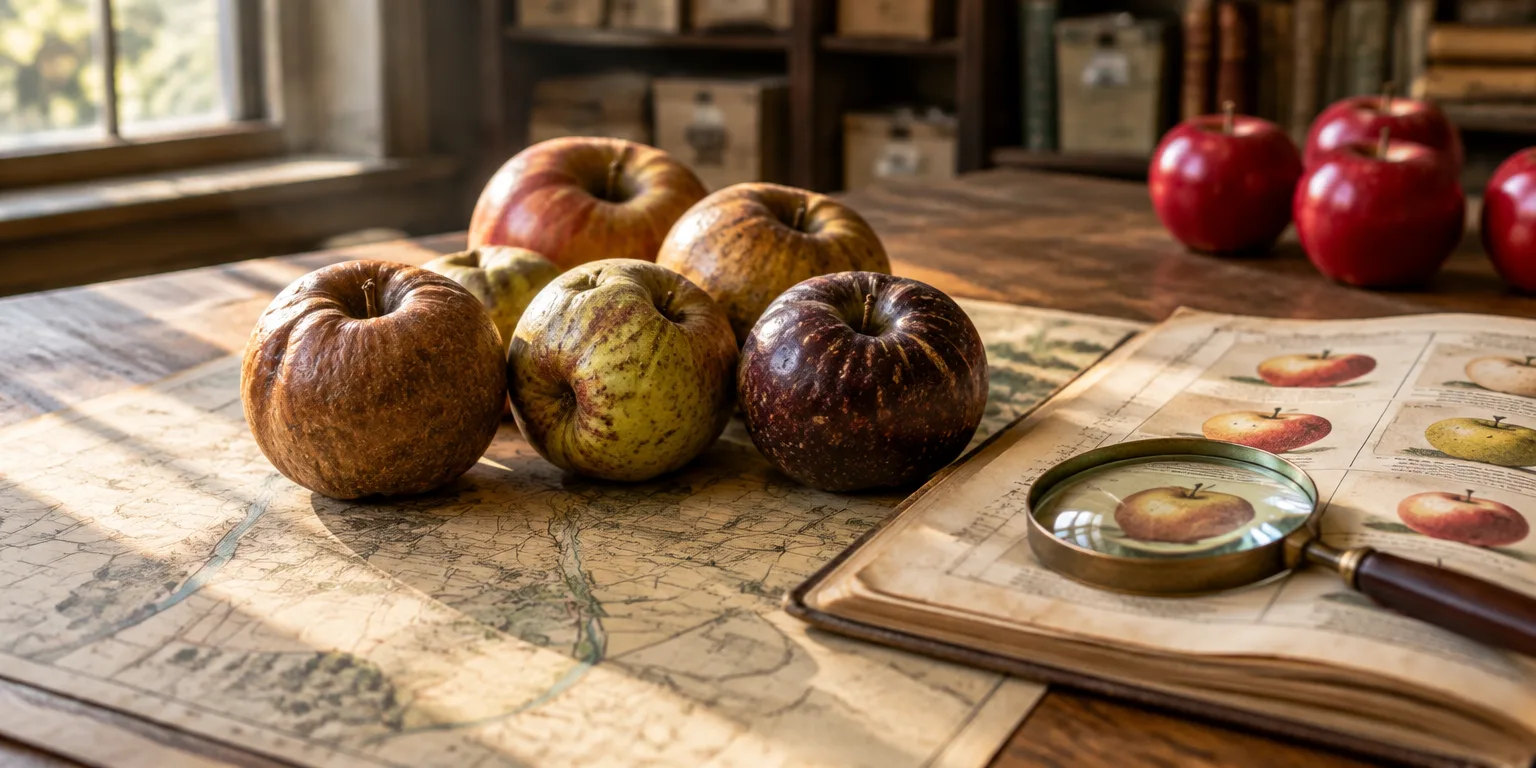
For 50 years, apple detectives have spent long hours in libraries and town archives, spreading aged land maps beside old nursery listings and fair exhibition files.
They were hunting apples by their old names, trying to match historic descriptions to living trees before the last ones died out.
The loss they were fighting is stark. In the United States today, just five varieties produce over half the apples bound for supermarkets, per a trade group. A little more than a century ago, the federal agriculture department listed about 14,000 types growing around the country.
That patient paper chase is part of why some old apples are coming back to orchards and markets.
In October 2026, farms in Connecticut, Wisconsin, Vermont, and other states were adding Ribston Pippins and Black Oxfords.
Ribston Pippin is a juicy variety that Charles Dickens, the English novelist, apparently liked. Black Oxford dates to the 1700s, has deep purple skin, and apparently makes beautiful applesauce.
Heritage examples such as Esopus Spitzenberg and Ashmead's Kernel are part of that comeback. Other rescued names are just as striking, including Hubbardston Nonesuch and Cornish Gillyflower, a sweet and sharp apple with perfumed taste and honey and flower notes.
Shoppers used to polished supermarket fruit may need to reset expectations. The old apples tend to look homely beside the tidy piles in stores, yet the flavor often compensates, with notes that suggest spice or sparkling wine.
One example is the Knobbed Russet, a rare British heirloom. One Vermont orchard manager said the homely fruit looks odd, but her son says its taste reminds him of banana bread.
Questions people ask
Why did thousands of apple varieties disappear?
Mostly because the grocery system rewards apples that are uniform, durable, and available year round. Growers favored a few varieties that ship well, store for months, and look flawless, while thousands of local apples that bruised easily or ripened briefly fell out of commercial production.
Where can I actually taste one of these old apples?
Start at orchards and farm markets in New England and the upper Midwest, where many of the rescue plantings are happening. Ask for heritage or heirloom apples by name, such as Esopus Spitzenberg, Ashmead's Kernel, Ribston Pippin, or Black Oxford, and expect a short season and fruit that looks less polished.
How do apple detectives prove a tree is really a lost variety?
They rarely rely on looks alone. They compare historic descriptions of flavor, season, shape, and color, check nursery catalogs and fair exhibition records, then examine living trees and fruit. When the clues line up, the variety can be preserved and shared for future harvests.