In Type 2 Diabetes Trials, Berberine Linked to Lower Blood Sugar by Reducing Liver Sugar
Reviews of type 2 diabetes trials link it to lower blood sugar and better cholesterol, through a different path than GLP-1 drugs.
 HEALTH TALK AMERICA · Diabetes, Decoded: The Mystery of the Type 2 That Wasn't
Online videos brand berberine as Nature's Ozempic, a tag that has drawn a huge audience online. Dr. Adam Brockman says the tag misstates how it works.
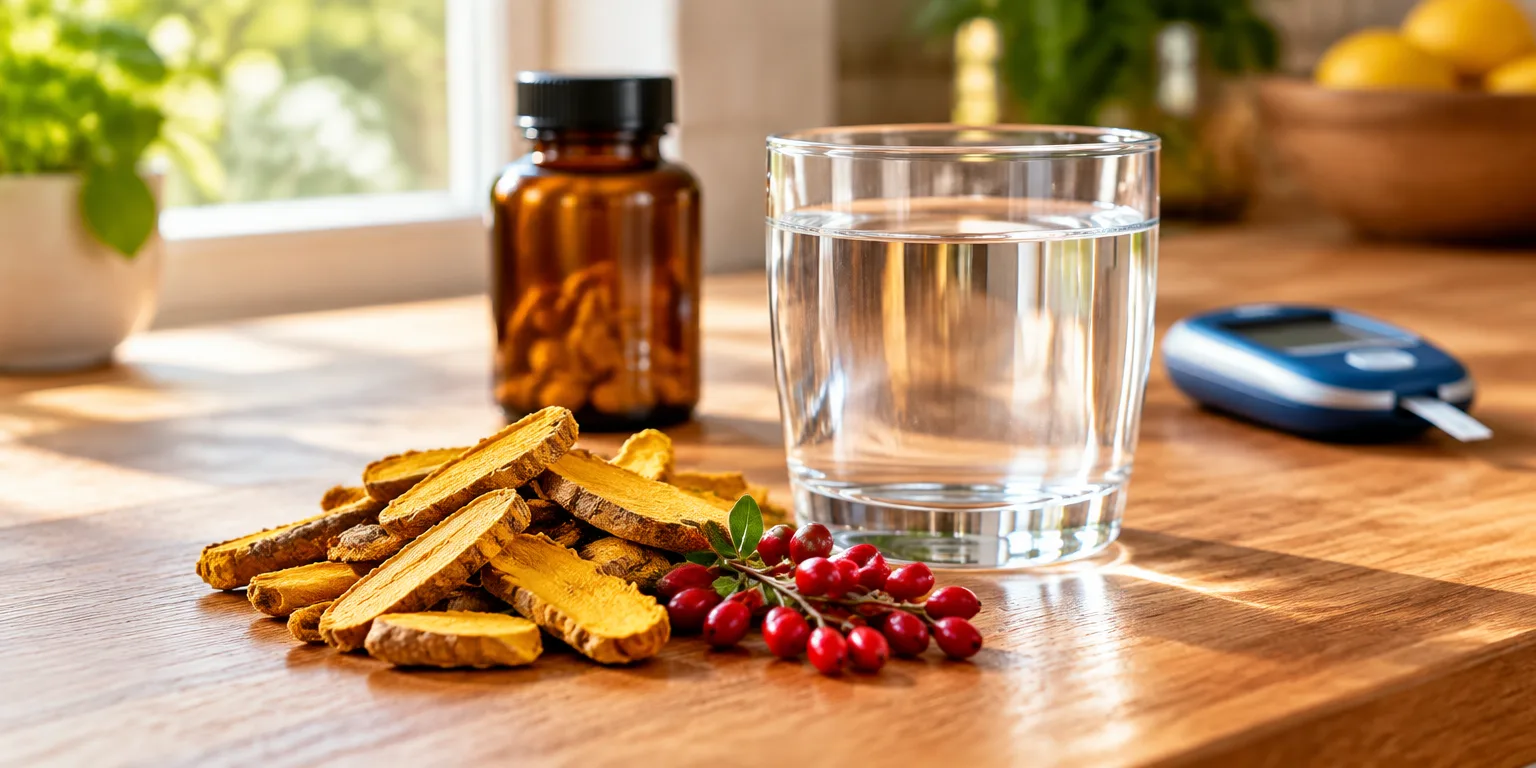
Berberine is a yellow-colored chemical that occurs naturally in several shrubs and herbs, including barberry and goldenseal. Practitioners of traditional Chinese medicine long employed it chiefly for stomach and bowel troubles.
The blood-sugar idea centers on AMPK, an energy-regulating enzyme that serves as a central control for metabolism. Turning on that control seems to curb the amount of sugar the liver releases, help tissues absorb circulating glucose more readily, and make insulin work more effectively.
Brockman described the trial record as more compelling than anticipated. One pooled analysis of over 40 randomized trials in adults with type 2 diabetes linked the extract to lower A1C, a three-month average sugar measure, plus lower fasting and post-meal readings, alongside healthier cholesterol and triglycerides.
A separate pooled analysis involving more than 3,000 patients across over 30 trials reported similar findings on blood sugar, with no added signal of serious side effects or dangerously low sugar. One limited study conducted in China reported blood sugar was controlled compared with metformin, a standard diabetes medicine, over three months, but that study was small.
The distinction matters because berberine acts by a separate biological route from GLP-1 medicines such as Ozempic. The studies typically used 500 to 1,500 mg a day, split into doses taken with meals, which describes what researchers studied rather than a direction for readers.
Questions people ask
What is A1C?
A1C is a blood test that estimates average blood sugar over about three months. It measures how much sugar is attached to hemoglobin, the protein in red blood cells that carries oxygen. In diabetes care, it is used alongside daily fasting and after-meal readings.
What does AMPK do?
AMPK is an enzyme found in cells throughout the body that helps manage energy. When energy runs low, it switches on processes that make energy and switches off ones that store it. That is why researchers sometimes describe it as a metabolic master switch.
How do GLP-1 drugs like Ozempic work?
GLP-1 drugs mimic a gut hormone that lowers blood sugar and curbs appetite. They prompt the pancreas to release more insulin after meals, slow how quickly food leaves the stomach, and act on brain circuits tied to hunger. Berberine is reported to act mainly on the liver, cells, and insulin response, not through that hormone pathway.