When a Score or a Paycheck Becomes the Goal, It Starts to Cost You
A host loved his tracker and routine, then noticed the same pull that makes people skip friends and dread imperfect mornings.
 Curiosity Chronicle · The Cobra Effects of Life
He has a joke he tells himself when his health numbers look perfect and his calendar looks empty. The host jokes, "You've got a perfect sleep score, but no friends. Great."
A health tracker, a morning routine, and money were supposed to serve him, and each started to own him. When the score became the goal, he protected the score instead of the life behind it.
The warning about tracking came from author Derek Thompson, a friend, who had written about wearing a sleep tracking ring in a published piece. Thompson wrote, "The ring improved my life, but its form of self-improvement often pulls me away from other people."
He knew that pull from his own mornings. A tracker brings real benefits from its new measurements. Sleep can steady, daily movement can rise, and meals can get healthier, sometimes altogether.
The pattern he describes is a generic you, not his diary. You turn down invitations, pass on last-minute get-togethers, and steer clear of pastimes you once enjoyed because they might drag your numbers down.
Mornings followed the same logic. He said, "I used to be fanatical is probably a good word about executing it."
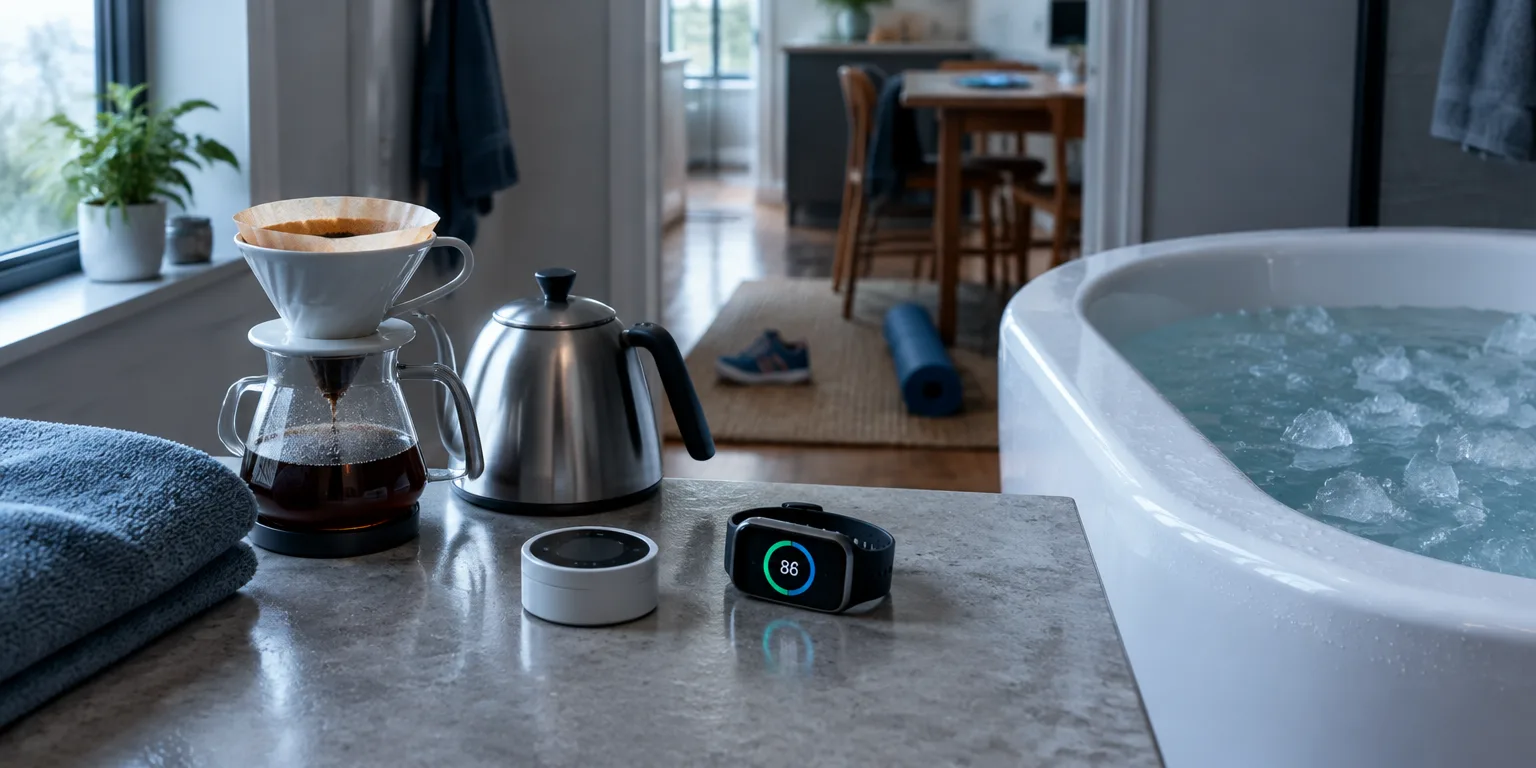
The lineup was an icy dip, a shower, carefully made coffee, stretching and breathing exercises. He enjoyed the ritual and felt good afterward, yet the whole sequence stretched to about an hour before he began the work it was meant to prepare him for.
Disruption made it worse. A late night event, an unexpected commitment, or a chaotic bedtime with his toddler left him pre-stressed. The host said, "It was like a weird anticipatory anxiety about not nailing the next morning's routine."
His summary was blunt. The host said, "The morning routine that was designed to serve me had started to own me."
Money was what he called the most damning version, because it involves money, the yardstick people reach for most. He presents these as second-person illustrations, not memories. He writes, "You hit another quarterly target, but miss another anniversary dinner." He describes earning a record bonus while missing a child's recital. He writes, "You say yes to every work call, but can't find time to reconnect with an old friend."
He treats that tradeoff as ordinary human wiring, not weak will. As he puts it, "You never leave money on the table, but don't think twice about leaving peace of mind there."
Questions people ask
Do sleep trackers actually help people sleep better?
In studies, some users report sleeping more regularly after they start tracking, because the feedback makes bedtimes and late night habits more visible. The devices generally estimate sleep from movement and heart rate rather than measuring it directly. Researchers have also found that checking scores too closely can create worry that makes sleep worse for some people.
What is anticipatory anxiety?
Psychologists use the term for worry about a future event before it happens, sometimes with tension, restlessness, or trouble sleeping. It is commonly reported before travel, medical visits, or changes to a valued routine. Literature on coping describes approaches under study such as consistent evening wind down routines, lower caffeine intake, and simpler backup plans that reduce pressure to perform perfectly.
Why would a morning routine take a whole hour?
Each step can look short on its own, but cold plunges, coffee making, stretching, and breathing add setup, cleanup, and transitions. Writers on habits call the chaining of small behaviors habit stacking, which can quietly turn minutes into a longer block. Coaches who recommend habit stacking often recommend beginning with one or two habits and keeping the total time bounded so work and family time are protected.