As of Early 2025, California Used 1.7 Million Barrels of Oil a Day but Pumped Only About a Seventh
More local output could lower prices and likely cut carbon emissions.
 welfarecapital.substack.com · Sable Offshore Corp (SOC) - Deep Dive #5
As of early 2025, California used about 1.7 million barrels of oil a day but pumped only about 250,000 barrels at home, roughly a seventh, according to Welfare Capital Research, a reader-supported newsletter. The remainder comes from abroad, with oil shipped in from Canadian, Brazilian and Saudi sources, among others.
That left the state, in the wording of that analysis, an energy island dependent on long distance supply. Some imports arrive by tanker, which must burn fuel of its own to make the delivery trip.
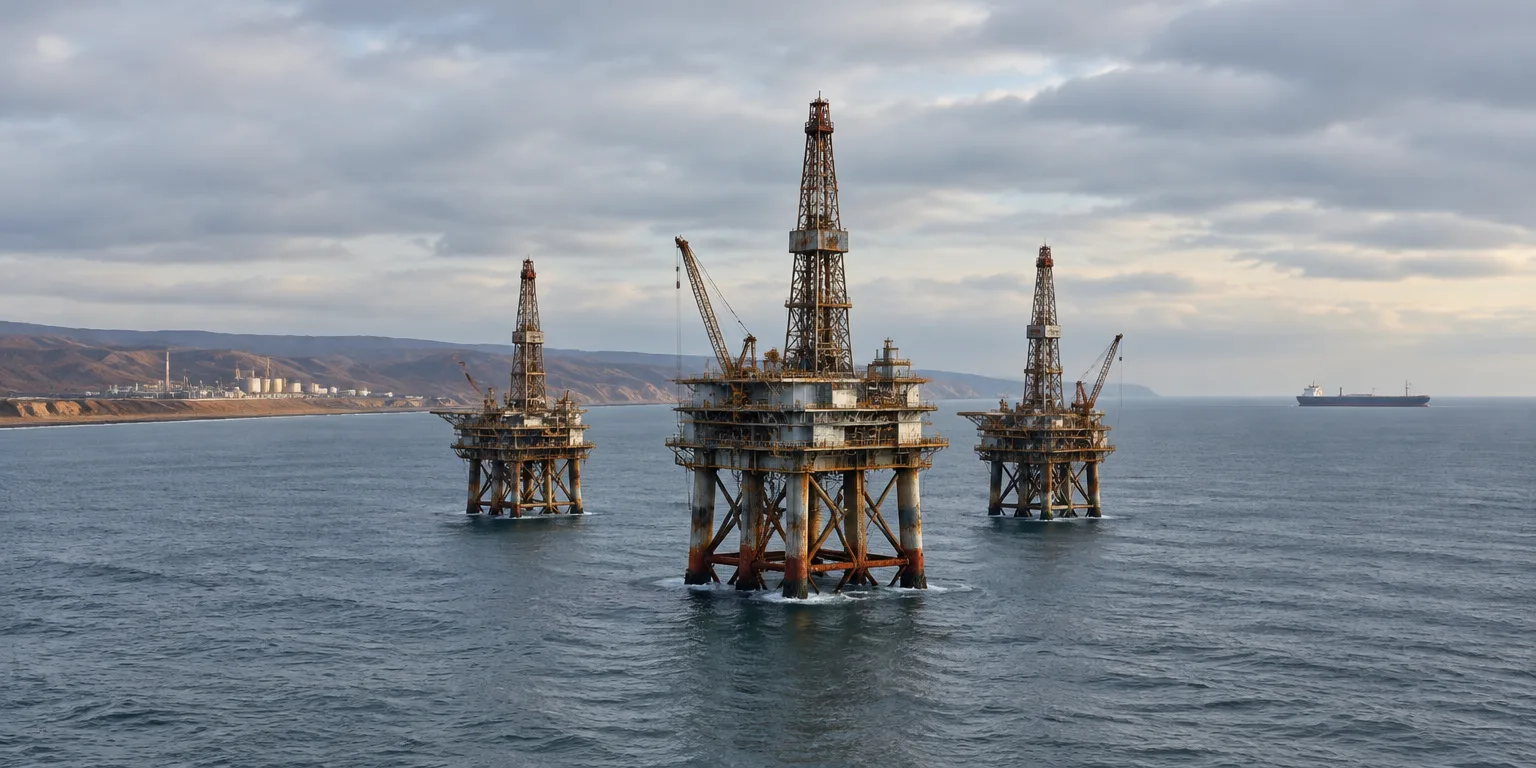
As described in that early-2025 source, one idle local source was the Santa Ynez Unit off the California coast, with three offshore rigs and an onshore processing plant. The source cannot show its status today.
The field produced more than 671 million barrels in oil-equivalent terms between 1981 and 2014, with at least 650 million barrels remaining by company estimates. California regulators halted production after a 2015 pipeline rupture spilled 3,400 barrels and shuttered the pipelines it relies on.
Sable's Q3 2024 shareholder presentation, as cited in the February 2025 analysis, projected 28,000 barrels per day if restarted in 2025, rising to 50,000 by 2028 or 2029. That restart date has since passed, and the source cannot confirm whether the restart happened.
Sable argues added supply could lower statewide prices because local crude would be priced against Brent, a global oil benchmark that usually runs a little above West Texas Intermediate. It also argues production would likely emit less carbon than imports by avoiding some tanker fuel use.
Questions people ask
Would 50,000 barrels a day really matter to California?
It would be about 3% of the state's daily use, so it would not make California self sufficient. Sable argues even that amount could lower prices statewide. The analysis does not independently prove the price effect.
How do oil tankers add to carbon emissions?
Tankers burn fuel for propulsion on long ocean voyages. A delivery from Saudi Arabia or Brazil to California means thousands of miles of fuel burned before the oil is refined. Avoiding that trip would avoid those voyage emissions, which is the basis for Sable's carbon argument.