Gold Miners Have to Replace Every Ounce They Dig
That treadmill explains why tiny wildcatters take the big risks and giants often prefer to buy the winners.
 The Why Files · The Basement: Cassie Coppersmith | Ancient Technology was More Advanced Than We Think
A gold mine is inventory that disappears as you sell it. Cassie Coppersmith, who worked in corporate development at Newmont, the Denver-based producer, said the company mined about 6 million ounces a year, so it had to discover or buy about that much just to stay even.
Her job sat on both ends of that treadmill. If a mine was depleted, or the gold price was too low to run it profitably, she helped decide whether it was a candidate to sell, while also hunting and competing for new properties to add.
The hunting starts with geologists, whom she calls the most optimistic people on Earth. They read cliffs and landforms for clues to how the earth folded and where minerals collected, then say where the big deposit should be and where to drill.
They are right a lot and wrong a lot, she said, which makes exploration feel like gambling. Drilling is expensive, and every extra hole to prove the size of a deposit competes with the decision to stop testing and start mining.
That risk is why much of the discovery work has moved outside the giants. Specialist exploration firms act as wildcatters, raising money, testing one risky idea, and then trying to sell a proven find to a major producer.
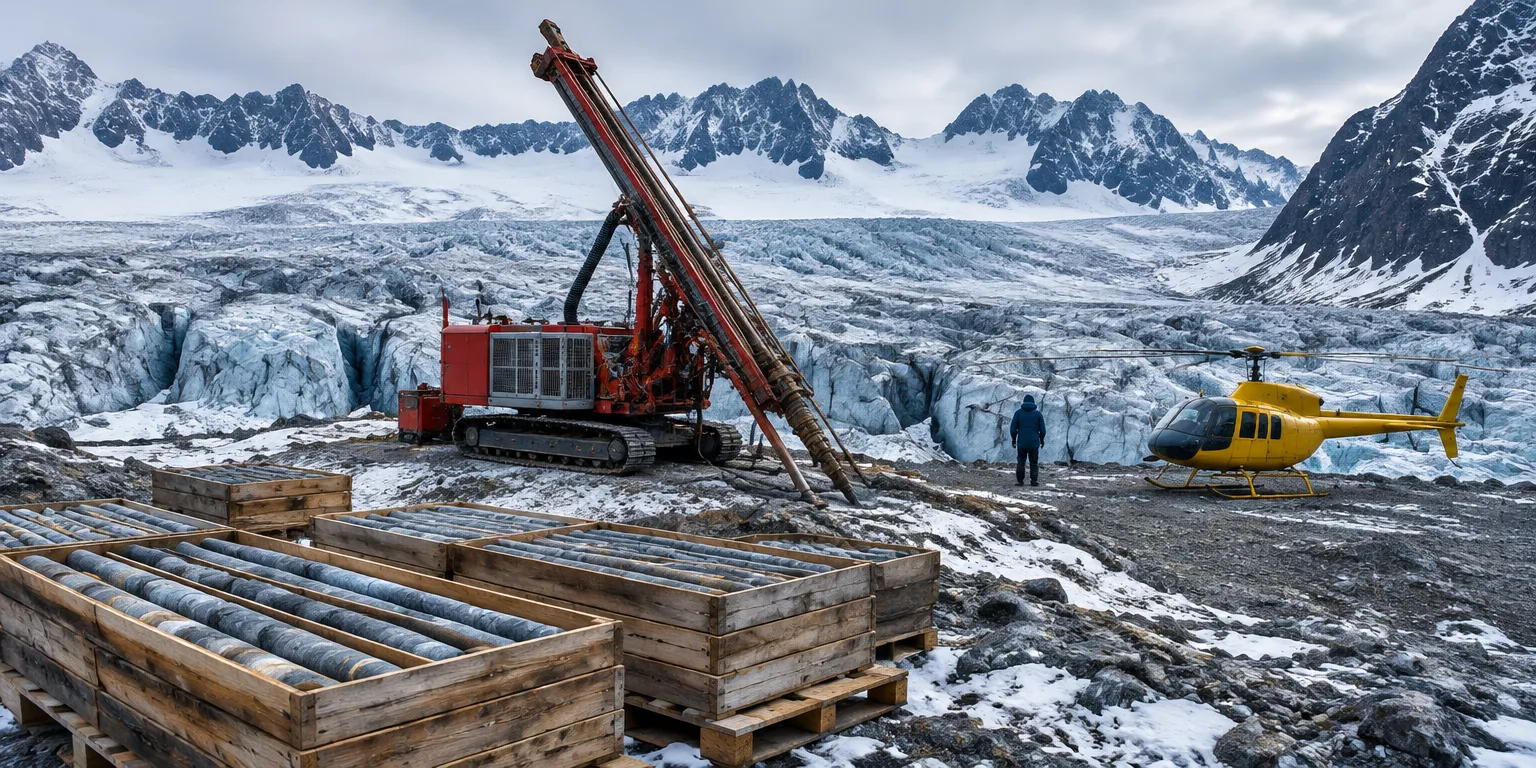
To illustrate the gamble, she offered an imagined example of explorers betting on a glacier-covered deposit in northern Canada. The explorers raise the funds, drill it out, and shop the result to companies like Newmont.
For a big producer, the choice becomes a budget line in a five-year plan: how much to spend drilling for new ore, and how much to reserve for acquisitions. Buying can feel less risky than finding, she said, so larger companies often let smaller ones do what they do best.
The prices reflect those stakes. She said a medium sized mine might change hands for a couple hundred million dollars, while corporate takeovers run into the billions, as when Newmont bought Canada's Goldcorp and put her on the team merging the two portfolios.
Questions people ask
Why does replacing reserves matter if a miner is producing plenty today?
Proven ounces support the share price, borrowing power, and mine life that investors pay for. If reserves shrink year after year, the company looks like it is liquidating itself, even if current production is strong.
How does a small exploration company make money?
They usually do not build mines. They stake or lease ground, raise money from investors, drill to outline a deposit, publish test results, and then sell the project or the whole company to a producer that can finance and operate a mine.
Why is drilling such a difficult economic decision?
A drill program needs crews, rigs, fuel, roads or helicopter support, laboratory assays, and often work in remote places. Each hole can cost tens to hundreds of thousands of dollars, so testing a large area quickly reaches millions with no guarantee of a mine.