Check Stock, Ingredients, and Schedule Before Promising a Delivery Date
An Australian dry pet food maker with mostly export sales uses one connected check to give customers dates it can actually meet.
 foodmanufacturing.com · Small Food Manufacturers Tie Production to Wholesale, Retail and Online Orders | Food Manufacturing
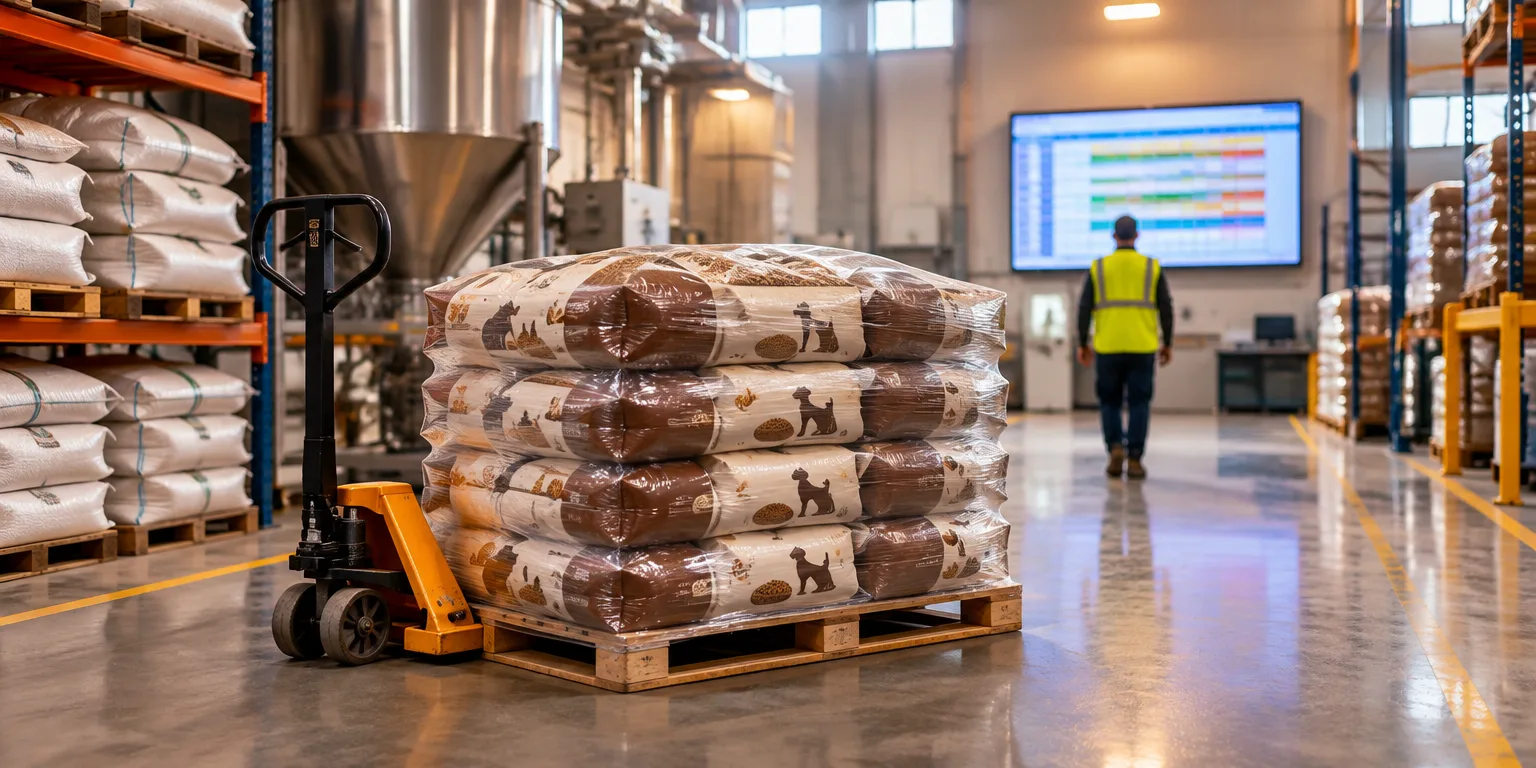
Advanced Pet Care of Australia makes dry pet food for Australian and overseas buyers, sending about 73% of its output abroad. Before agreeing to a customer-requested delivery date, the company checks finished goods, ingredient availability and the factory schedule.
That caution matters in wholesale and business sales, where orders are large, commitments extend over time, and some imported ingredients take longer to arrive. All three have to be weighed when production is scheduled.
To do it, the company uses MRPeasy, manufacturing planning software, to link sales, stock on hand, ingredient buying, and factory planning in one place. Customer orders are weighed alongside inventory and the production schedule.
When a request comes in, the team compares the requested timeframe against what is in stock, what ingredients are available or need to be ordered, and what the schedule already holds. If the requested timeframe cannot be met, the software reports the earliest completion date.
“MRPeasy allows us to quickly determine whether we are able to fulfill an order in the requested timeframe or when the earliest completion date would be,” says Director Peter Atsaros. That reported date is the date the company gives the customer, which helps it avoid promising delivery it cannot meet.
Questions people ask
What is MRPeasy and what does it cost?
It is cloud-based software for small manufacturers that links sales orders, inventory, purchasing, and production planning. Pricing is by monthly subscription and varies with users and features, so a small shop should check the current plans and trial it first.
How do you account for imported ingredients with long lead times?
You build the supplier lead time into the delivery calculation, rather than treating ingredients as instantly available. In practice, that means the system flags when an imported ingredient must be ordered weeks ahead, and pushes the earliest feasible completion date later. Firms usually add safety stock or reorder points for those items.
What should you do if you cannot meet the requested date?
You quote the earliest date the combined check supports, even if it is later than the customer asked. That may mean waiting for ingredients to arrive or for scheduled work to clear. It preserves trust better than agreeing first and explaining a delay later.