Costco Scrapped All Its Store Brands After Its Own Manager Failed to Recognize One
The single-name gamble went against every retail playbook, and Kirkland accounted for a third of Costco sales in 2024.
 Taylor Bell · Inside Costco: The Shocking Strategy That Built The Most Loyal Customers
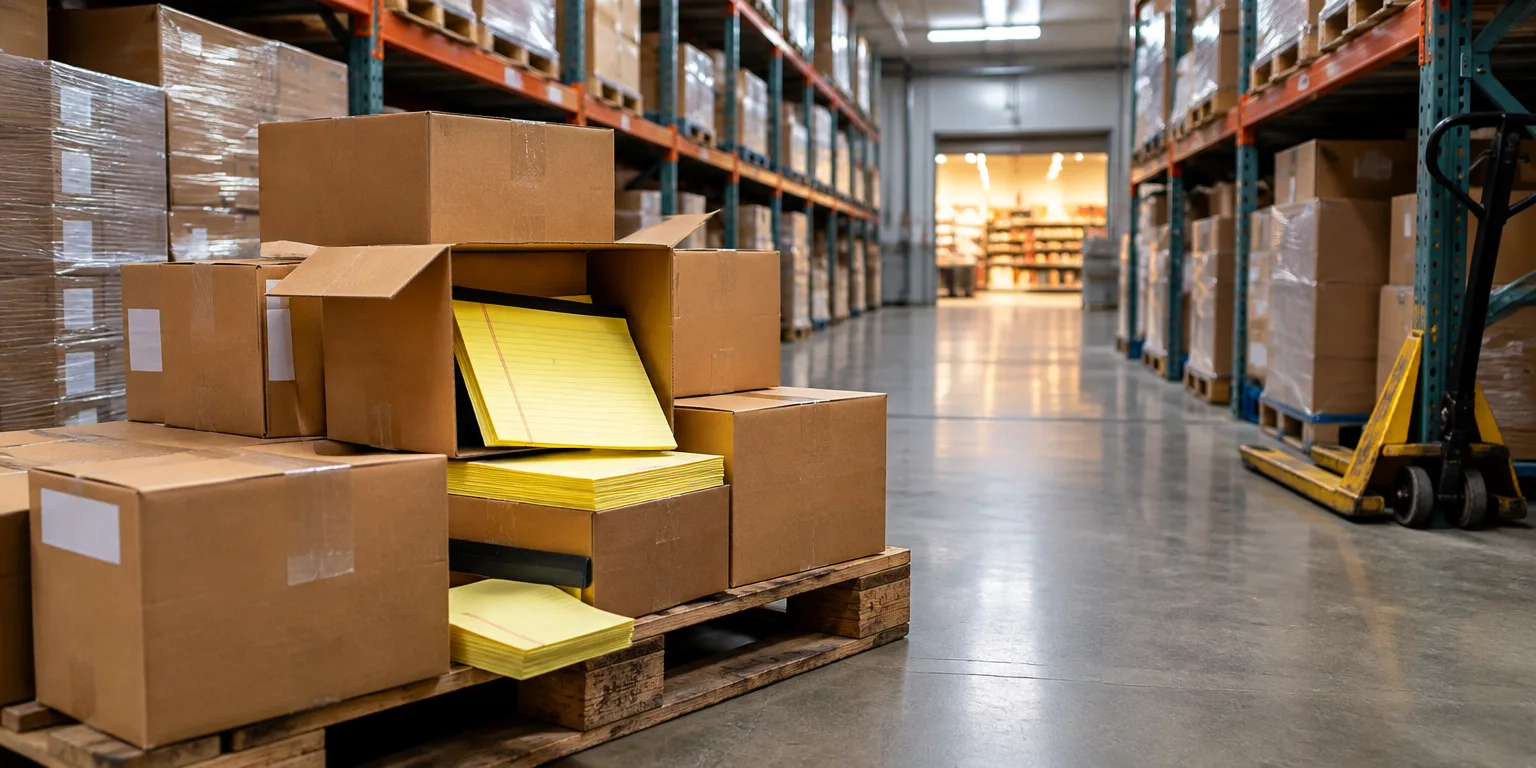
Costco co-founder Jim Sinegal was visiting a warehouse when he asked the manager about a delivery of the company's own-brand writing pads. The manager told him it had not come in.
Sinegal walked to the back room to check for himself. There sat the boxes, legal pads labeled Pinnacle. His own manager had not realized Pinnacle was a Costco brand.
At the time, Costco sold its store-brand goods under a jumble of invented names, with different labels for household goods, foods, and stationery. It created a new label with nearly every new product, which was standard practice in retail. That stockroom mix-up persuaded Sinegal to scrap them all and put everything under one name.
That name was Kirkland Signature, for the Washington city where Costco was first headquartered. The plan was to unite everything behind a single name and standard.
The decision broke with conventional wisdom across retail. Department stores such as Sears were adding more store brands to chase different shoppers and price points. Today, Target runs more than 45 store brands, including Good and Gather for food, and Walmart runs more than 20.
Retailers say separate names let them tailor each line to a different shopper, and they hedge reputational risk. Under that logic, if a food product flops, the failure does not taint shoppers' view of the clothing line.
The lesson from the back room was different. If Costco's own people did not recognize Pinnacle, shoppers had little chance to learn to trust it. Costco bet that one familiar name would earn more loyalty than many forgotten ones.
It did. Kirkland Signature brought in about $86 billion in 2024, or roughly a third of Costco's revenue, more than Procter and Gamble sells on its own.
Questions people ask
What exactly is a store brand?
A store brand, also called a private label, is a product owned and controlled by the retailer rather than by a national manufacturer. It is sold only in that retailer's stores. Pinnacle notepads were one example before Costco moved everything to Kirkland.
Does Kirkland make its own products?
Mostly, other established companies make them under contract and package them as Kirkland. Costco sets the specifications and the price, and the supplier produces the item. That is why some Kirkland goods closely resemble national brands.