Crime Scene Hairs Were Not Chester Weger's, but His Conviction Stood
DNA tied the hairs to a family with several brothers living near the park, but judges refused to vacate the verdict.
 Stuff You Should Know · The Story of Chester Weger
The two hairs from the 1960 Starved Rock murders were not Chester Weger's, yet he died still convicted.
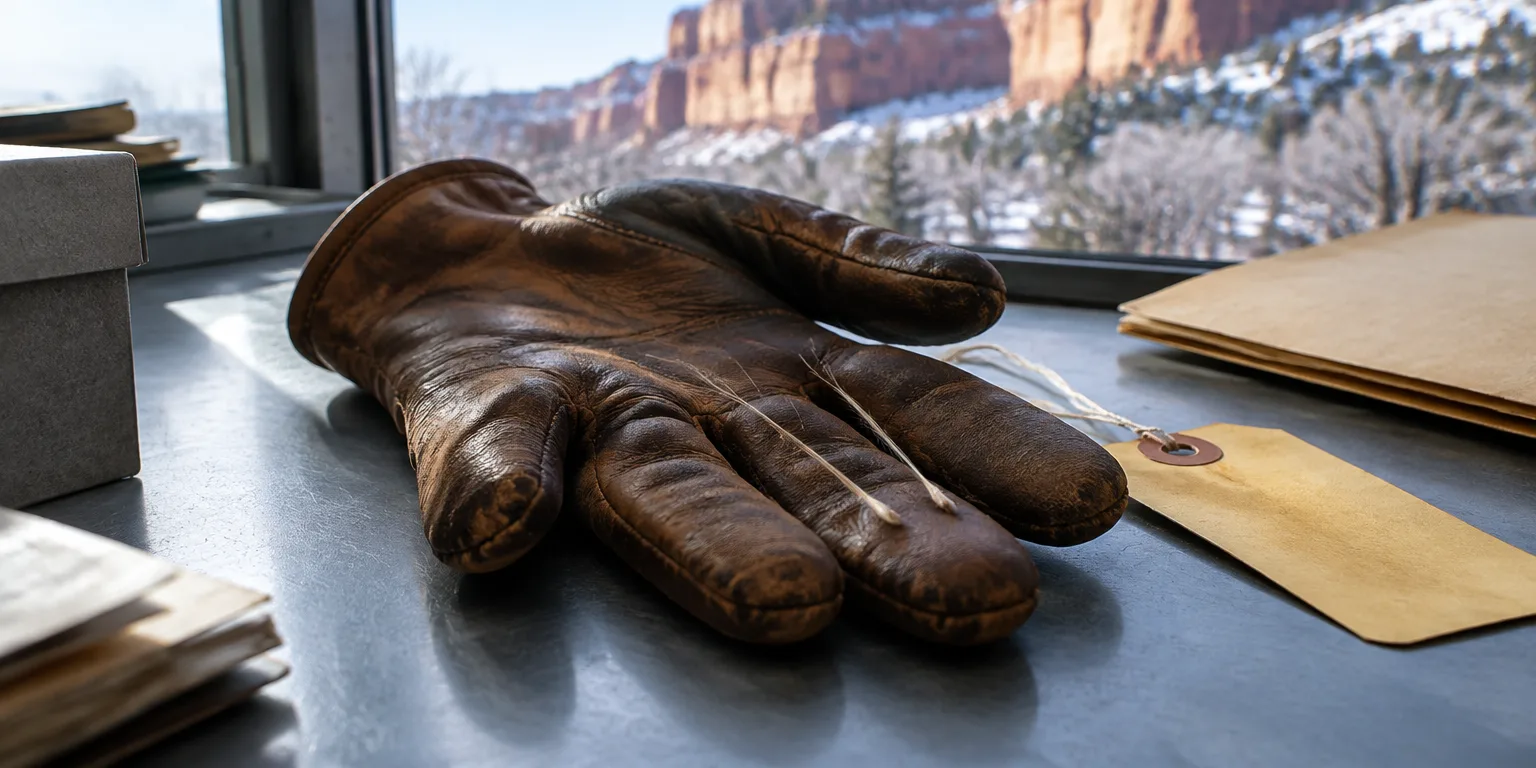
Three friends vanished on a hike at Starved Rock State Park in Illinois, and victim Francis Murphy had the hairs with intact roots inside her glove, likely pulled in a struggle.
Weger was a 21-year-old dishwasher at the park lodge turned police suspect; he confessed after lengthy questioning, then recanted as coerced.
In 2004 his defender sought DNA testing, but officials had passed the evidence around for visitors, leaving a judge to call it potentially tainted.
Later testing of the preserved hairs pointed through family databases to a local family with several brothers, and investigators said they were not Weger's.
Judges still ruled the DNA was not enough to throw out the verdict, and Weger died of cancer at 86 after 58 years in prison.
Questions people ask
What were the Starved Rock murders?
In March 1960, three friends aged 47 to 50 went for a hike in St. Louis Canyon at the park and never returned. They were found in a cave, bound with twine and beaten to death.
Why would DNA pointing away from him not overturn a conviction?
Courts can require new evidence to be strong enough that it likely would have changed the trial outcome. Here one judge pointed to years of informal handling of the evidence, and later judges found the genealogical link insufficient to throw out the verdict.