Cut Bodies Sparked Cannibalism Claims The Navy Blamed On Shrimp Bait
Cannibalism rumors likely began with bar talk, followed by doctors describing flesh cut with a sharp instrument.
 American History Tellers · Greely Arctic Expedition | Drawn to the North | 4
The Navy rescue party found seven living men at Cape Sabine, so starved and frostbitten that doctors said they would not have lasted another day or two.
Cmdr. Winfield Scott Schley, the Navy officer sent to bring the Arctic expedition home, carried the living and the dead south to St. Johns, Newfoundland. There, at first, the return was a global celebration, with parades and cheers.
That triumph collapsed into a scandal over six mutilated bodies, and the Navy's attempt to explain the cuts as fishing, not man eating, could not stop it.
Among the dead brought back, six bodies had been cut and flesh removed. Rumors of cannibalism spread almost immediately.
Buddy Levy, an author who has studied the expedition, says the rumors were likely started by James Norman, an ice pilot serving with the relief fleet. Norman had seen the bodies aboard ship and spoke about the cuts after drinking in a bar in St. Johns.
The brothers of Lt. Joseph Kisslingbury, one of the dead, persuaded a newspaper to help have his remains dug up after the return home. Doctors who examined them wrote under sworn oath that "the flesh had been cut away with some sharp instrument."
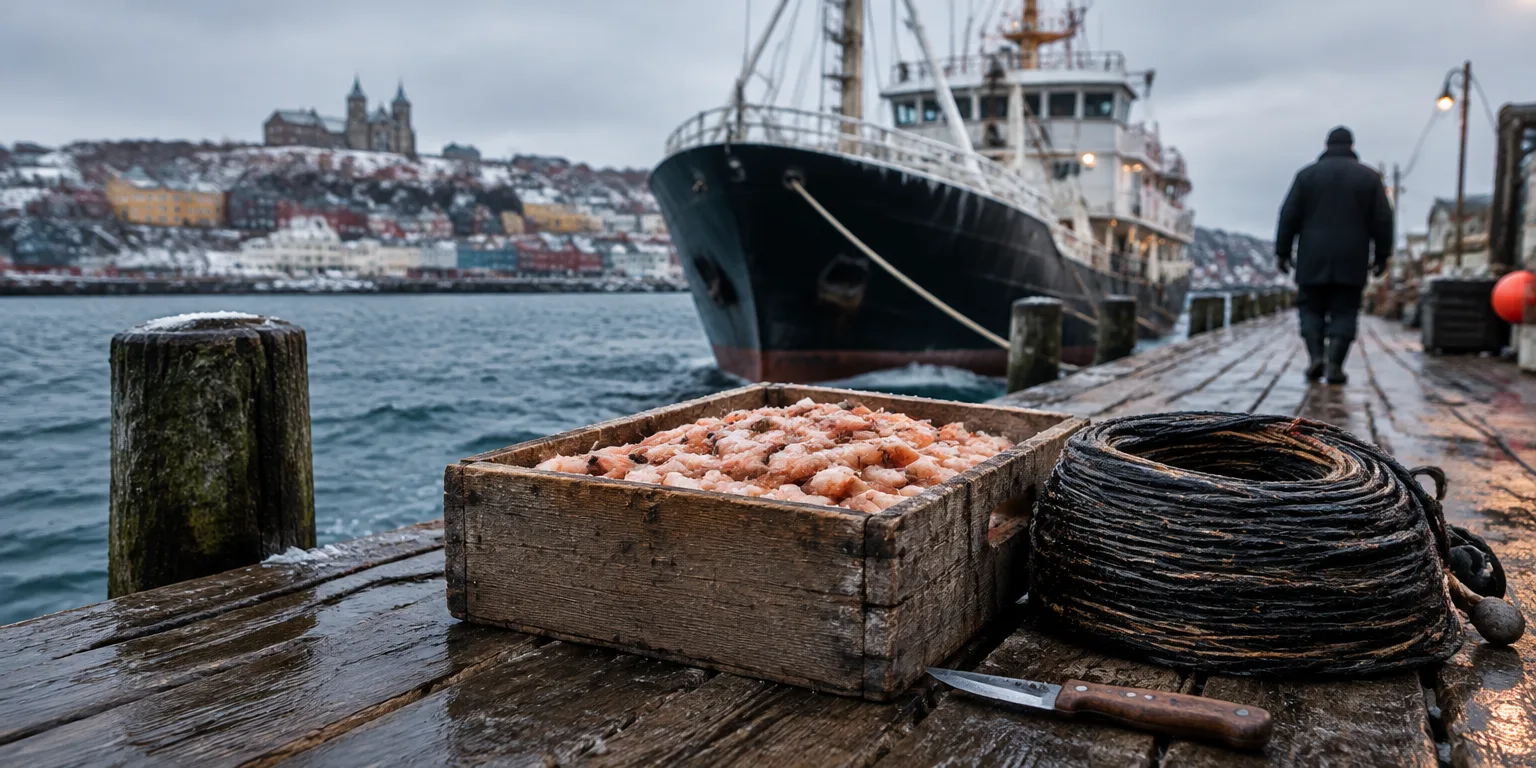
For Adolphus Greely, the Army officer who led the expedition, and the other survivors, it was painful to read such claims after months without enough food. In his final report, Schley wrote that flesh had been removed from the dead, "no doubt to use as shrimp bait."
Levy describes that line as an effort to exonerate the men. But by then sensational press coverage had taken hold, and the expedition was linked in print to the Donner Party.
Greely denied knowledge of any man eating, saying if it had happened "it was done in secrecy and entirely without my knowledge." He added, "I can but answer for myself."
Levy says there were definitely "sharp razor cuts in the flesh of some of the dead," but the full truth may never be known. He says he believes Greely.
Questions people ask
What was the Donner Party that newspapers mentioned?
They were a group of American pioneers trapped by snow in the Sierra Nevada in the winter of 1846 to 1847. Some survived by eating the dead, and their name became shorthand for starvation and cannibalism.
Why were the men starving when rescuers found them?
Two relief voyages failed to reach them, with one ship crushed by ice and another forced to turn back. The men retreated south with dwindling rations and were stranded at Cape Sabine through winter and spring with almost no food.
What happened to Greely after the expedition?
He stayed in the Army and rose to brigadier general and chief signal officer, a post he held for 20 years. He oversaw thousands of miles of telegraph lines, helped found the National Geographic Society and the Explorers Club, and lived to age 91.