Disney Traded a Football Announcer to Get Back Its First Cartoon Star
Disney lost Oswald in 1928 because it never owned him, and got him back almost 80 years later in a sportscaster swap.
 Acquired · The Walt Disney Company: The most successful enterprise for monetizing human nostalgia (Audio)
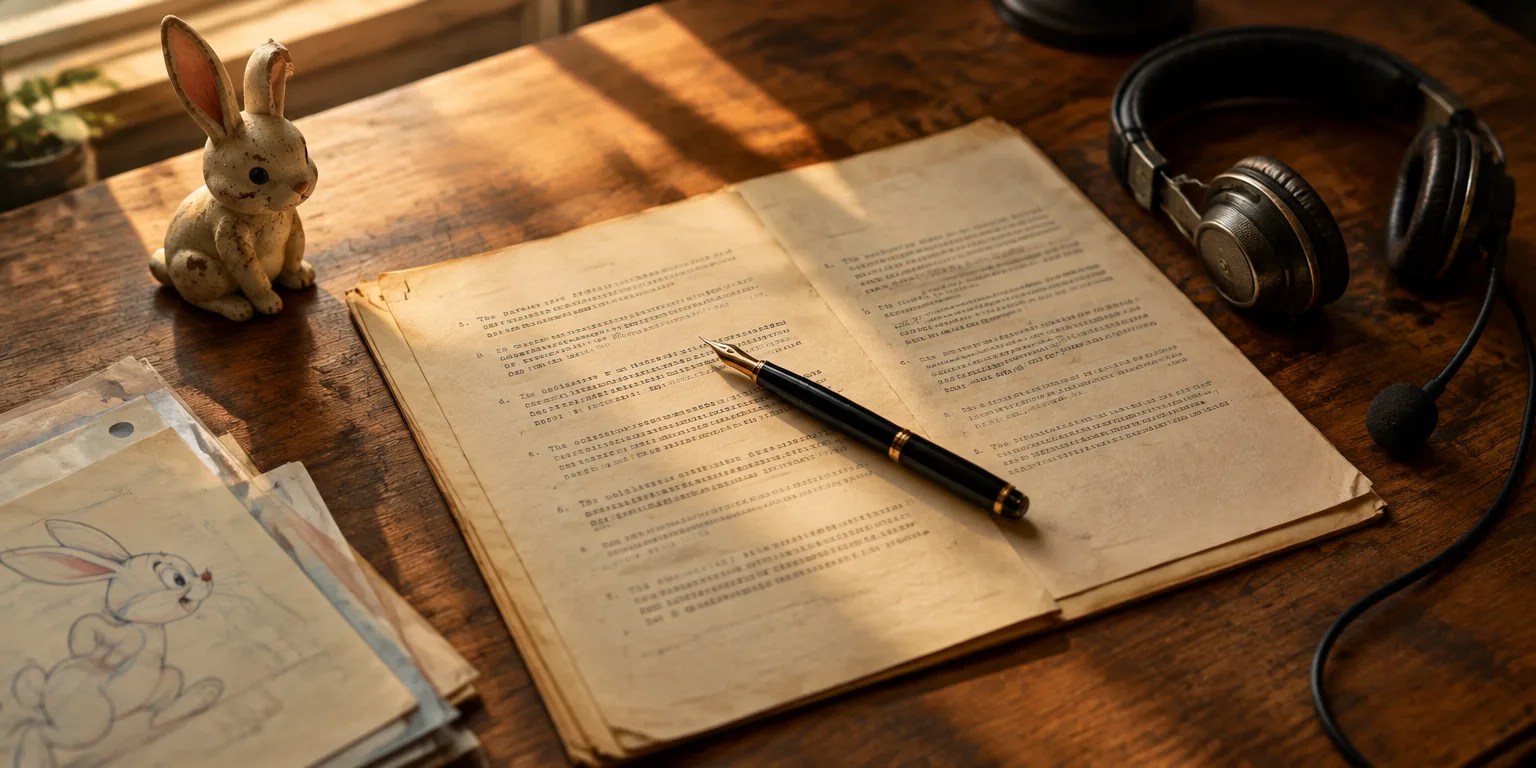
In 2006, Disney traded football announcer Al Michaels to NBC to get back Oswald the Lucky Rabbit, the cartoon star it had lost nearly 80 years earlier.
Oswald was Disney's first hit, created for distributor Charles Mintz and Universal Pictures as a rival to Felix the Cat. The studio acted as if it owned the rabbit, but Universal did.
In early 1928, Walt Disney traveled to New York with his wife Lillian to ask Mintz for a raise. Mintz instead demanded a pay cut of $500 per cartoon, wiping out the margin. Walt afterward learned Mintz had already signed nearly all the animators in secret.
Only Ub Iwerks, Walt's fellow animator and business partner from Kansas City, and a few others stayed loyal. Left with no distribution deal, no staff, and no character, the studio's value was effectively zero. Early in his tenure as chief executive, Bob Iger won back Oswald by sending Michaels, ABC and ESPN's Monday Night Football voice, to NBC and receiving the Oswald rights in return.
Questions people ask
What did Oswald look like, and where is he now?
Oswald was a black-and-white rabbit with white fur, a tail, and big ears, made to be simple to draw and to echo Felix the Cat's appeal. He was brought back to Disney in the 2006 trade. What Disney did with him after that is not detailed.
Why did NBC want Al Michaels badly enough to trade a cartoon character?
No reason is given for why NBC wanted Michaels. Disney, which owned ABC and ESPN, sent Michaels, its Monday Night Football announcer, to NBC, while Universal on the NBC side transferred the Oswald rights to Disney.
Did losing Oswald change how Disney ran its business?
The loss was an extremely bitter lesson for Walt and his brother Roy. One account holds that much of Disney's later history and all of the enterprise value it built traces back to that moment.