Why a $160 Million Gross Barely Made Money
Top Gun cost about $15 million to make; Days of Thunder started at $40 million and kept climbing.
 Behind the Bastards · Part Two: Don Simpson: The Producer of Top Gun Also Ruined Hollywood
When the race car drama Days of Thunder sold $160 million worth of tickets in 1990, it looked like a hit. After the bills were paid, Paramount was left with only a minor profit.
A decade earlier, the same gross would have been an enormous success. In the early 1980s, $7 million was a solid budget for a film, and $9 million counted as big, so it was almost impossible to spend enough to erase that kind of box office.
The change is clear in the numbers for producers Don Simpson and Jerry Bruckheimer, the team behind both films. Their Navy jet hit Top Gun, starring Tom Cruise, the young movie star, had cost about $14 million to $15 million to make in 1986. Their follow-up with Cruise, Days of Thunder, started at $40 million, including $7 million for Cruise alone, over four times what such films had cost a decade earlier.
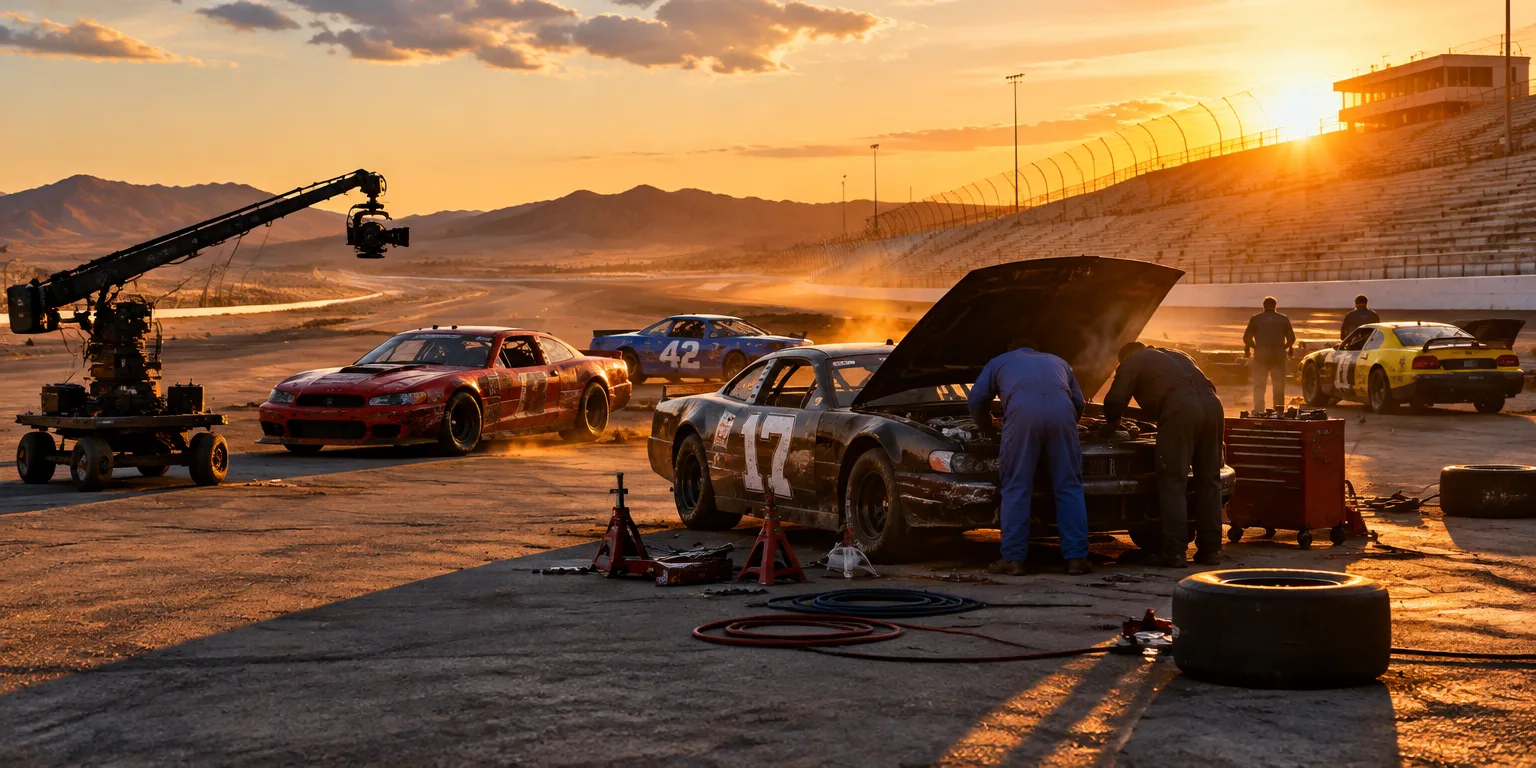
Production then pushed costs still higher. The crew had bought a fleet of stock cars, purpose-built race cars, to film racing scenes, but the cars kept breaking down. The production had to bring in outside mechanics at high cost, and every delayed day of filming burned more money in wages, rentals, and equipment.
The budget ended up between $60 million and $70 million. Then came a second bill: advertising. The film spent heavily on ads, in part because Simpson was feuding with Jeffrey Katzenberg, a rival studio executive with another movie coming out, and the team felt it had to put more money behind its own release.
Put together, the math flipped. A film that cost $7 million could turn $160 million in ticket sales into a fortune, but a film that cost $60 million to $70 million to make, plus heavy advertising, could collect the same $160 million and leave only a minor profit. That is why a merely disappointing result had become dangerous to a studio.
Questions people ask
Does the studio keep all $160 million in ticket sales?
Box office is total ticket sales, not profit. Theaters keep about half, and the studio must then subtract the cost of making the film and the cost of marketing it before it sees a return.
Why does one lost day of filming cost so much?
A film set pays most of its crew and cast by the day or week, and it also rents cameras, locations, cars, and hotel rooms. When filming stops, those costs continue, so a delay means paying a full operation to wait.
How much can advertising add to a movie's cost?
Often tens of millions of dollars, and sometimes as much as the production budget for a big release. Prints, television ads, and wide newspaper and outdoor campaigns made summer movies especially expensive to launch by 1990.