Hollywood's Simplest Hit Formula
An exciting start, a dark middle, and a triumphant ending, all aimed at profit.
 Behind the Bastards · Part Two: Don Simpson: The Producer of Top Gun Also Ruined Hollywood
In 1979, producer Don Simpson spent nights talking with screenwriter Paul Schrader while using cocaine, then recorded memos about the movies he wanted to back. Producer Linda Obst later described those memos as laying out his blueprint for films to make and invest in.
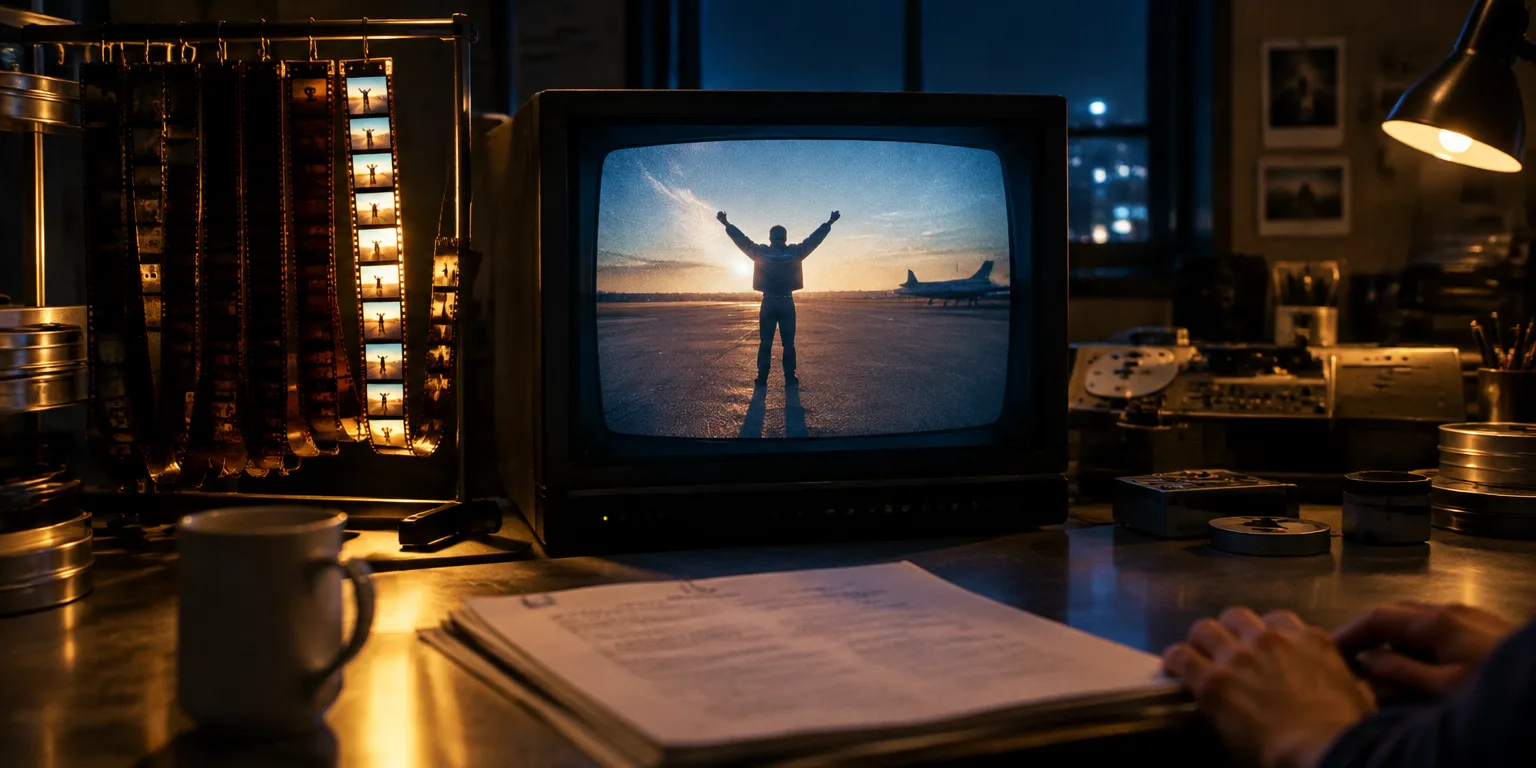
The recipe had three moves. Start hot, with an exciting incident in the first act. Then bring the crisis, a dark stretch where the hero is challenged and beaten down. Then deliver triumph and redemption, often capped by a freeze frame.
That frozen last image became his calling card. He is credited with popularizing the freeze frame ending and making it huge in 1980s movies.
The power was in the simplicity. A few years later, Disney executive Christopher Vogler wrote a famous memo boiling down scholar Joseph Campbell's hero's journey, but Vogler's guide was detailed and mythic. Simpson's version was deliberately less complicated, built for straightforward stories.
Think of Top Gun, the Simpson hit with few moral quandaries and barely identified enemies at the end. The audience did not need complexity, just momentum, jeopardy, and payoff.
A description of a 1980 Paramount memo says Don Simpson wrote, "The pursuit of making money is the only reason to make movies," treating prestige or meaning as useful only when it lifted the box office.
He did not invent the three-act structure itself, which dates back to Aristotle. What he did was turn a simplified version of it into a practical, repeatable system for producing 1980s blockbusters.
Part of him still liked movies and wanted to be an artist. But his profit-first doctrine helped lay the groundwork for a later Hollywood run less by film lovers than by managers focused only on returns.
Questions people ask
What is the three-act structure?
It is a very old way of dividing a story into setup, confrontation, and resolution. Aristotle described versions of it, and screenwriters still use it to organize character, stakes, and climax.
What is a freeze frame ending?
The movie stops on a single still image at the climactic moment, often while the hero celebrates. It locks in triumph and sends the audience out on a high, and it was common in 1980s action, comedy, and sports films.
Who was Joseph Campbell and why did Hollywood care?
Joseph Campbell was a scholar who argued that myths around the world share a hero's journey of departure, trial, and return. Vogler's memo translated that academic idea into practical advice for Disney writers.