Estonia Built a School Chatbot That Answers Questions With Questions
After learning most high schoolers already used ChatGPT, officials asked OpenAI for an Estonian tutor that would not write essays for students.
 Fresh Air · Back-to-school with Big Tech
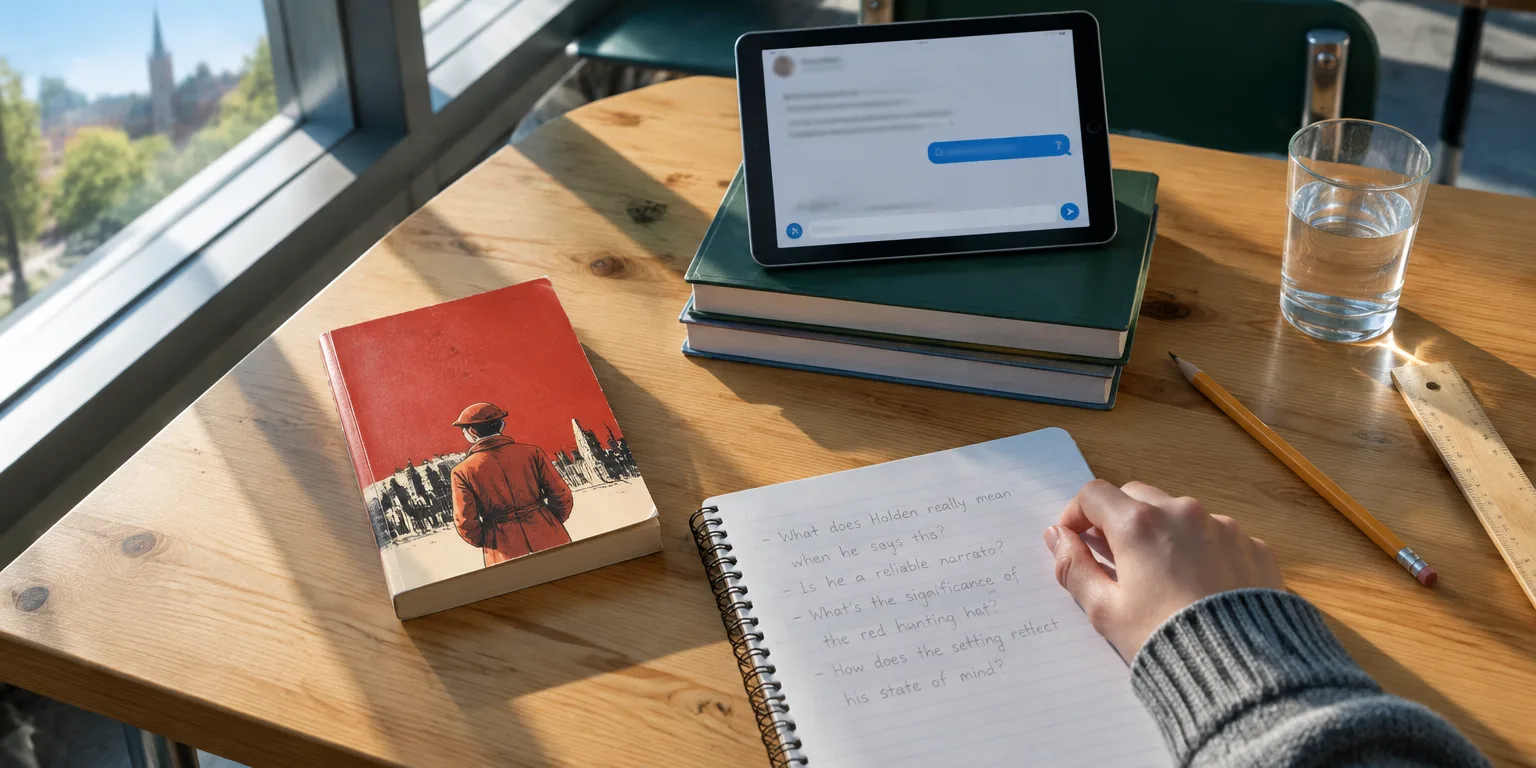
Imagine an 11th grader in Estonia reading The Catcher in the Rye asks a school chatbot for the plot. Natasha Singer, a journalist covering classroom technology for The New York Times, said the chatbot might reply, "Well, what do you think Holden Caulfield's motivations were?"
That hypothetical exchange captures what officials wanted. They asked for a tutor that is Socratic, leading students with questions, as the ancient Greek philosopher Socrates did, instead of supplying answers and writing the essay for them.
Estonia, a digitally forward country, decided that high school students would use artificial intelligence after a poll found that a majority of high schoolers were already using commercial ChatGPT and other chatbots. Singer reported the finding after speaking with Estonian officials about their response.
Rather than ban the technology or look the other way, Estonian officials went to OpenAI and asked for something different, a specialized chatbot for Estonian schools, in Estonian, that asks questions instead of answering them. As of the September 2026 interview, Estonia had built that tool and was trying it out.
Researchers at a university in Estonia and at Stanford are studying how students and teachers use it, how widely it is taken up, and eventually whether it changes learning. The work was still at the stage of usability and uptake.
The early response included some resistance and ridicule from some students. Some students do not want to use AI at all. Others found it ridiculous when a simple how-to question got another question back.
Singer said that if someone asks how to build a birdhouse, it might answer, "How do you think you can build a birdhouse?" Singer noted that a chatbot that only asks questions cannot fit in all situations.
For now, Estonian leaders are treating the project as a high school experiment with clear limits. The country's education minister told Singer they are trying it in high schools to see if it works, but they will not try it with children under 13. In her view, "schools should not be using off-the-shelf chatbots with kids," only tools made specifically for classroom use.
Questions people ask
Why does it matter that the chatbot is in Estonian?
Singer said Estonia asked OpenAI for a product specifically for Estonian schools in Estonian. That is all the interview says about the language choice. The broader point Singer reported was that Estonia wanted a school-specific tool, not an off-the-shelf commercial chatbot.
Why won't Estonia use the chatbot with children under 13?
Estonia's education minister said the new tool will not be tried with children under 13. The minister did not give a reason for that cutoff in the interview. As general background, younger children are often seen as more vulnerable to confusion and privacy risks and less able to judge when a chatbot is wrong.
Could answering questions with questions actually help learning?
Nobody has yet measured whether this Estonian tool changes learning. Researchers in Estonia and at Stanford are still studying usability and uptake, with effects on learning to come later. The Socratic design is a bet that keeping the mental work with the student will help, but that result has not been shown for this bot.