Election Fights Follow Three Steps: Convince, Collect, Contest
A researcher who tracks rumors says activists first spread belief, then hunt for images to fit it.
 Behind the Bastards · It Could Happen Here Weekly 257
Stephen Prohaska, a researcher who tracks election rumors at the University of Washington's Center for an Informed Public, was talking with fellow researchers about patterns his team has watched.
He argued that challenges now run through what Prohaska calls "the three C's of election contestation." "The first one was convince, which is convincing people that election fraud was happening."
The second step, he said, is collect, when activated supporters go looking for evidence of that supposed fraud. The third is contest, when that material is funneled into lawsuits and political narratives meant to mobilize audiences and challenge results in court and in public.
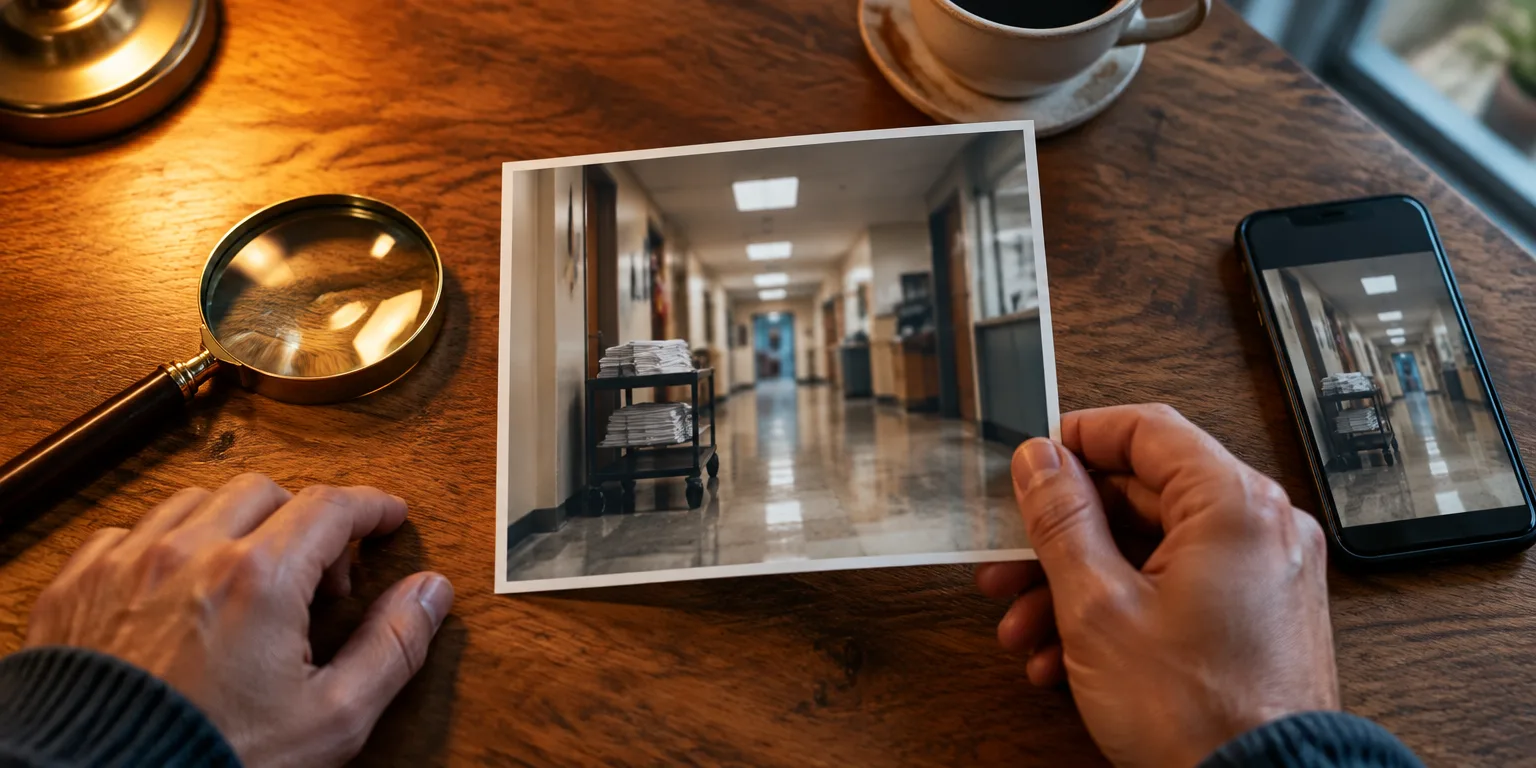
For the collection stage, Prohaska pointed to the Election Integrity Network, an activist group run by election denier Clayton Mitchell that recruits volunteers to hunt for perceived fraud. Prohaska said the effort often involves an ambiguous photo that shows something different from what viewers think it shows, but with enough people sharing it, "it can create the illusion that something real is occurring."
He used claims about noncitizen voting, one of the largest narratives in his work, as an example. He cited a Brennan Center study finding that noncitizens are about 0.00001 percent of voters, and argued that public arrests and sensational stories get attention out of proportion to that sparse evidence.
What has changed, Prohaska argued, is that contesting elections is no longer confined to political rhetoric. It is spilling into governance, law enforcement, and court filings, and, in his words, "it all creates the illusion that something exists that doesn't actually exist."
Questions people ask
What is the Election Integrity Network?
It is an activist network run by Clayton Mitchell that recruits volunteers to look for perceived election fraud. Prohaska said it encourages supporters to find and amplify ambiguous material, which can make an unfounded claim feel widely supported.
How common is voting by noncitizens?
Extremely rare. A Brennan Center study cited by Prohaska estimated noncitizens at about 0.00001 percent of voters. He said occasional cases get heavy publicity, which makes a very small problem look large.
Why do ordinary election photos turn into rumors?
As background, American elections are run locally, with different rules across thousands of jurisdictions. Prohaska's narrower point was that an ambiguous photo can be shared as if it shows fraud, when it shows something different.