Speed Trains The Heart, Weight Trains Muscle, Hills And Resistance May Help Bones
The same walk may help build endurance and strength, or help maintain bone density, depending on what you change.
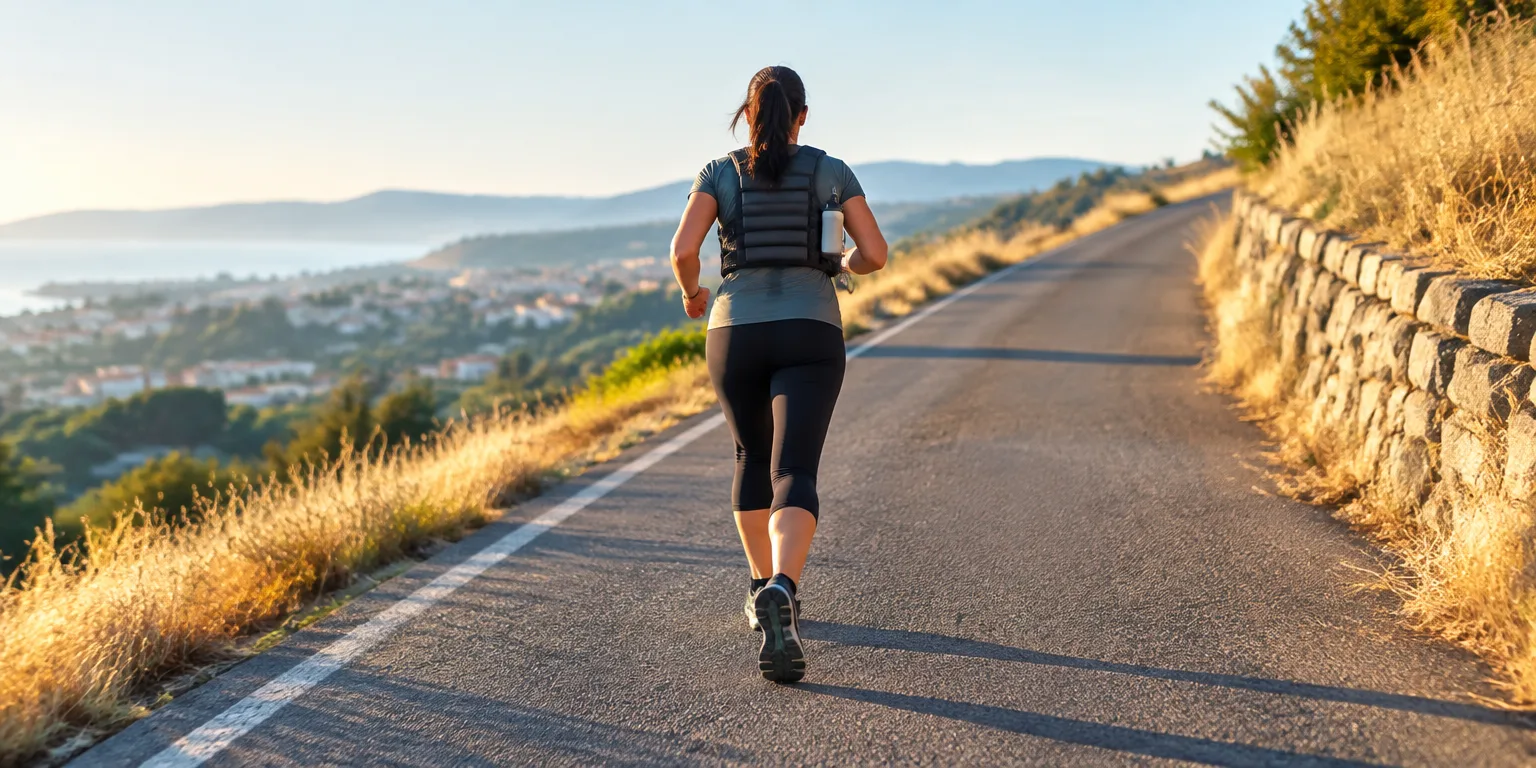
 today.com · 4 Ways to Make Your Walk More Challenging That Also Promote Healthy Aging
A casual stroll and a hard walk can look almost the same from the sidewalk. Inside the body, they are different workouts.
The difference comes from what orthopedic surgeon Dr. Vonda Wright calls progressive overload. That means slowly asking for a little more from each walk, so the body has to adjust.
Going longer lets the body settle into sustained effort and use up more energy. Studies suggest sustained walking may lower the risk of dying from any cause and support greater longevity.
Pick up the pace and the work shifts to the heart and lungs. The heart beats quicker and breathing grows heavier, and sticking with that brisker effort can build stamina and support the heart and circulation over time.
Carrying extra load makes each step heavier for the muscles to move. That added burden pushes the muscles to respond by building size and strength.
Bones benefit from a different kind of harder. Adding resistance or impact in general may help keep bones dense, an important part of aging well. Walking up hills outside or raising the incline on a treadmill is one way to add that kind of resistance.
So the tweak should match the job you want done. For heart and lungs, go faster, for muscle, carry more, and for bones, look for ways to add resistance or impact, such as hills or a steeper treadmill grade.
Questions people ask
How fast do I need to walk to train my heart and lungs?
A common benchmark is a brisk pace of about 3 to 4 miles per hour, fast enough that talking takes some effort but is still possible. Short bursts of faster walking mixed with slower recovery can also raise heart and lung demand without requiring a fast pace the whole time.
What is a safe way to try walking with added weight?
Wright's examples include wearing a 20-pound weighted vest, carrying light dumbbells, or using ankle weights. She advises building up gradually and changing only one variable at a time once 30 minutes feels comfortable. The article also advises checking with a doctor first if you have a health condition or past injury.
How do I add the resistance or impact tied to bone density?
The source points to hills outside or more incline on a treadmill as practical ways to add resistance. It links that kind of harder, higher impact effort to keeping bones dense, which matters for healthy aging. It does not give a specific dose or describe a cell level mechanism.