Forced Romance Scams Earn More Than Any Other Cybercrime
By Wired's reporting, it is the most profitable online crime, built on forced labor.
 Fresh Air · Inside the 'modern slavery' where cyber scammers are victims themselves
Forced romance scams known as pig butchering steal "tens of billions of dollars a year," making them "the most profitable cybercrime in history," according to Wired senior writer Andy Greenberg.
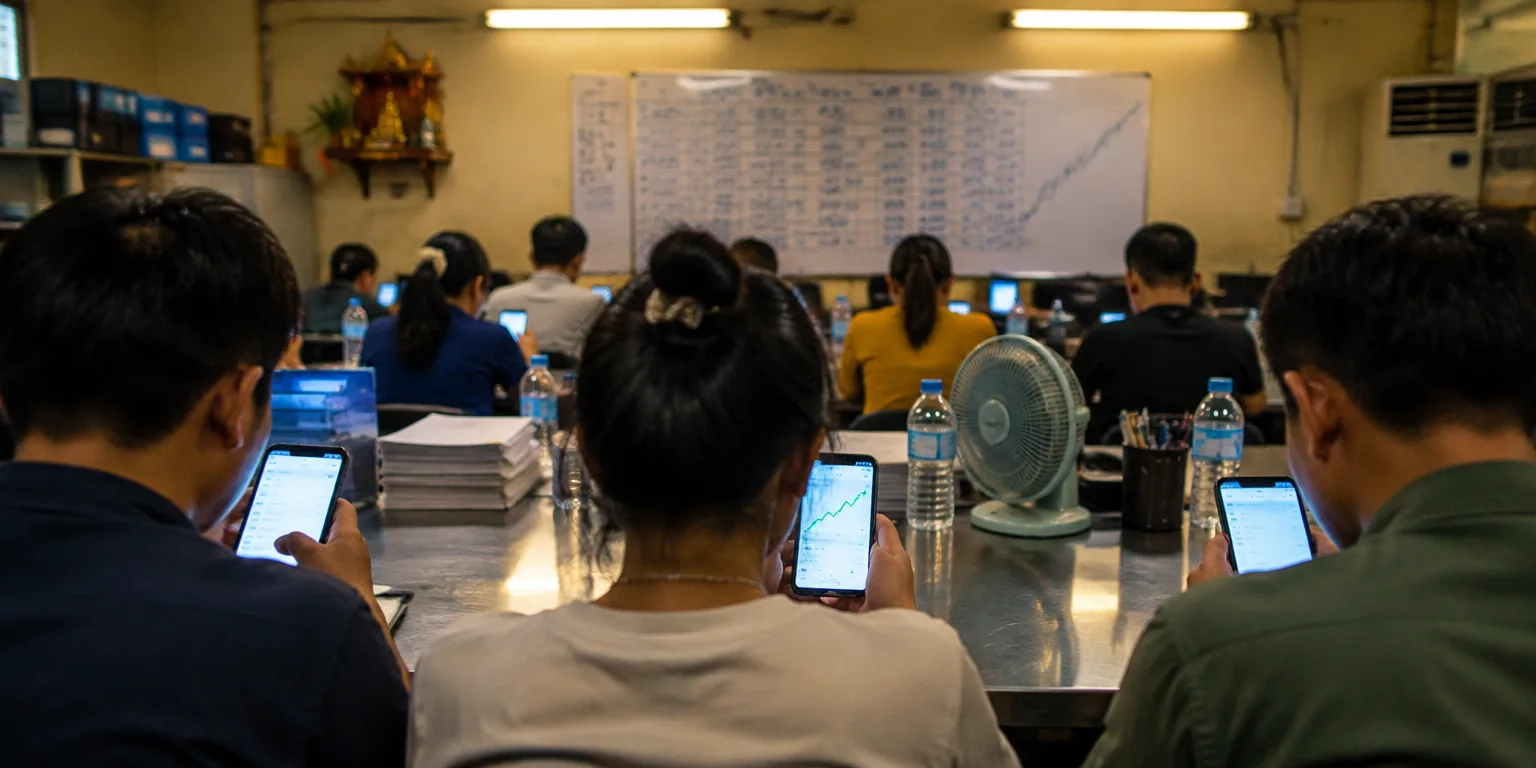
In one group in Laos, about 30 workers brought in $2.2 million in three months by sending romantic texts to strangers.
Scammers themselves use the term pig butchering because the victim is the pig being fattened for slaughter. After weeks or months of close attention, the supposed partner recommends a sure investment.
The targets are often lonely people, sometimes older men with retirement savings. The nets are cast widely, and some people caught this way are not wealthy and lose only a few thousand dollars.
Usually victims are tricked into converting savings into Tether, a cryptocurrency that holds its value and moves easily across borders, and watch balances appear to double and triple on a fake platform.
When they try to withdraw, sometimes they are told to send $10,000 or $100,000 more, and learn the relationship and the platform were fake only after sending everything they have.
Many of the people sending the texts are held in compounds across Southeast Asia and told they owe thousands for travel and housing. Greenberg's tens of billions figure is his rough extrapolation from that one group to dozens of compounds in Laos, plus others in Cambodia and Myanmar, not a counted total.
Questions people ask
How is AI making these scams harder to spot?
Inside the compounds, workers were trained to use chatbots to polish language and produce warm, attentive messages with no errors, and to send them to hundreds of targets at once. Scammers also stall video calls and sometimes use face-changing software so a stand-in appears to match the photos already sent. Researchers have also found dating profiles run entirely by automated systems.
Why do the scammers ask for Tether?
Tether is a stablecoin designed to stay near one dollar, so victims do not worry about market swings while they watch fake gains grow. It can also be sent across borders quickly and moved through wallets that are difficult for police to trace or freeze.
What do fraud researchers say about wrong-number texts?
Researchers describe openers like you did not wait for me at the restaurant as wide-net lures rather than personal mistakes. They say any reply can signal that a number is active and invite continued attention. Consumer agencies describe investment pitches from romantic contacts met only by text as a hallmark of pig butchering, and say such messages are commonly deleted and blocked.