Gen Z Hit Puberty Just As Phones Learned To Keep Score
Haidt says millennials "went through puberty on flip phones," and argues the 2010 to 2015 shift hit Gen Z during puberty.
 All-In with Chamath, Jason, Sacks & Friedberg · Jonathan Haidt | The All-In Interview
Puberty is a construction zone for the brain, and Gen Z went through it with a smartphone in hand.
That is the argument of Jonathan Haidt, author of The Anxious Generation. He says "the early teens to the mid-teens" is when the brain literally rewires from back to front, changing from a flexible child form to a more competent but less adaptable adult form.
Millennials were mostly done with puberty by 2010, Haidt says, so smartphones came too late to shape them that way. They "went through puberty on flip phones," and used those phones to arrange meeting in person, with eye contact, laughter, and time together.
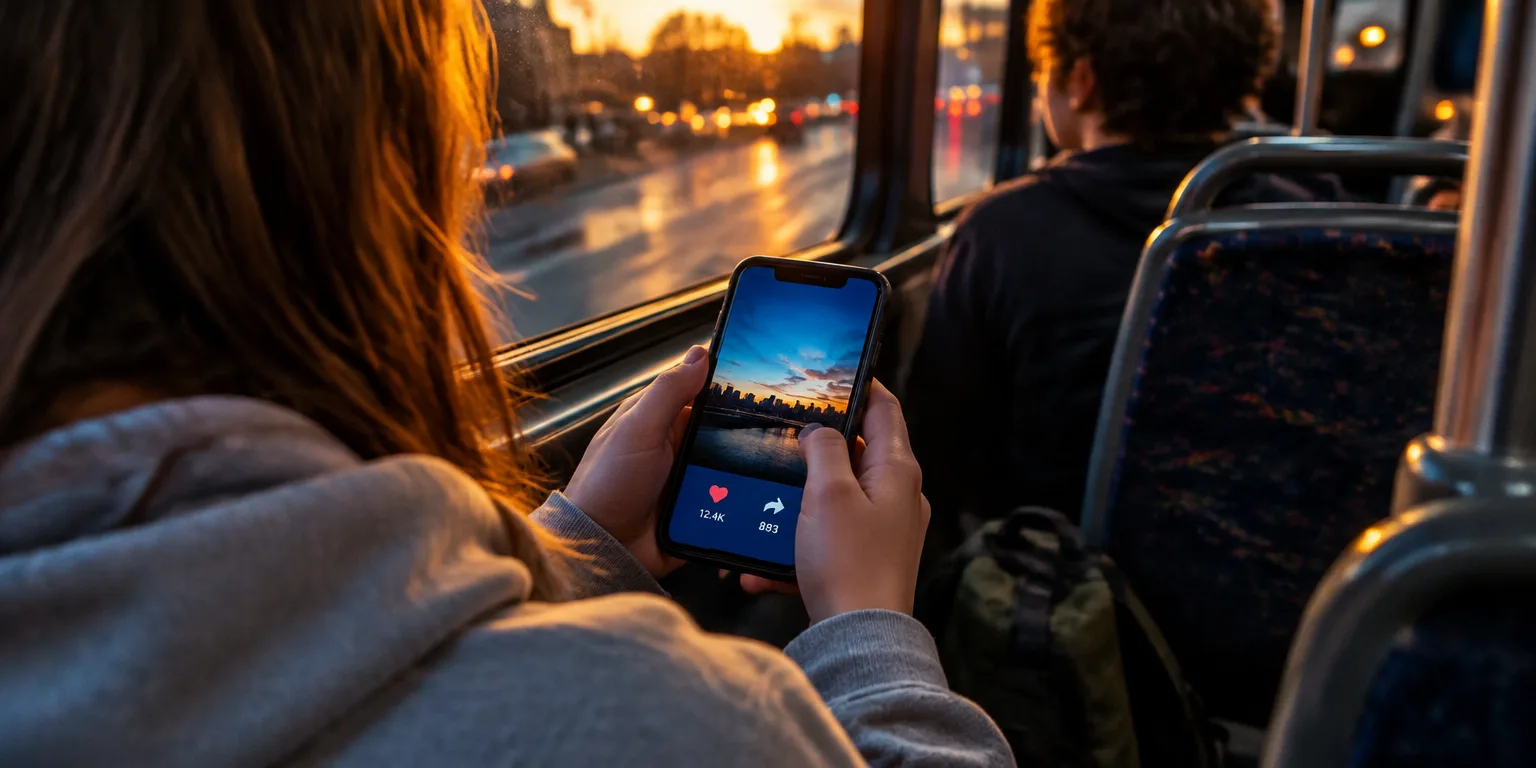
The change began in 2009, when social media added the like, share, and retweet buttons alongside algorithmic newsfeeds. Connection became competition, measured in likes and what went viral.
The hardware then caught up. The first front-facing camera arrived on the iPhone in 2010, with rivals quickly following. Facebook bought Instagram in 2012, and fast mobile internet spread, making photos and video easy to post and watch all day.
Difficult number-pad texting could not hold attention for hours. By 2015, Haidt notes, half of American teenagers said they were online almost constantly, even in class, on the bus, or in mid-conversation.
Jason Calacanis, an entrepreneur and investor, said a phone can show a teenager "the funniest thing that happened on planet Earth in the last hour," which by definition will be funnier than friends having a burger. Haidt argues that constant scoreboard arrived during Gen Z's rewiring, at exactly the wrong moment.
Questions people ask
Why is the brain so sensitive during early puberty?
In early adolescence the brain prunes extra connections and strengthens the ones that get used, especially in circuits for social approval and risk. That makes repeated experiences, like checking likes or comparing photos, more likely to shape adult habits.
What exactly changed about social media in 2009?
Before that, sites were mostly personal profiles you visited one by one. The feed, plus public counts for likes, shares, and retweets, turned approval into a visible number that could spread widely and quickly.
Why could flip phones not hold attention the same way?
Typing on a number pad was slow, there was no front camera for easy selfies, mobile internet was limited, and there was no endless feed of photos and short video. A flip phone was useful for arranging time together, not for staying online all day.