Google Judged Skin Tone With the Wrong Scale
A six-tone health care standard skewed light and missed global diversity until a ten-tone scale changed how cameras and image tools were tested.
 Lenny's Podcast: Product | Career | Growth · What it actually takes to build frontier models | Tulsee Doshi (Head of Product for Gemini)
The story came up through a colleague. Eli Collins, a vice president of product at Google DeepMind, had shared a couple of evaluation stories described as fun facts about Tulsee Doshi, including work on the Fitzpatrick Scale and Monk Skin Tone Scale.
Doshi worked for six years in Google's responsible AI group, studying skin tone and how it was represented in models and products.
To tell whether those products were working, her team needed a consistent way to test them. Early on, the test rested on the Fitzpatrick scale, which sorted skin into six tones.
The scale had not been designed for that job. It had been built for health care purposes, and to handle those problems it skewed extremely light.
Six tones left much of the world out. The tones it did include were also a poor match for measuring whether products served a global population.
At Harvard, Professor Ellis Monk had been studying how to characterize skin tones from the perspectives of anthropology and sociology.
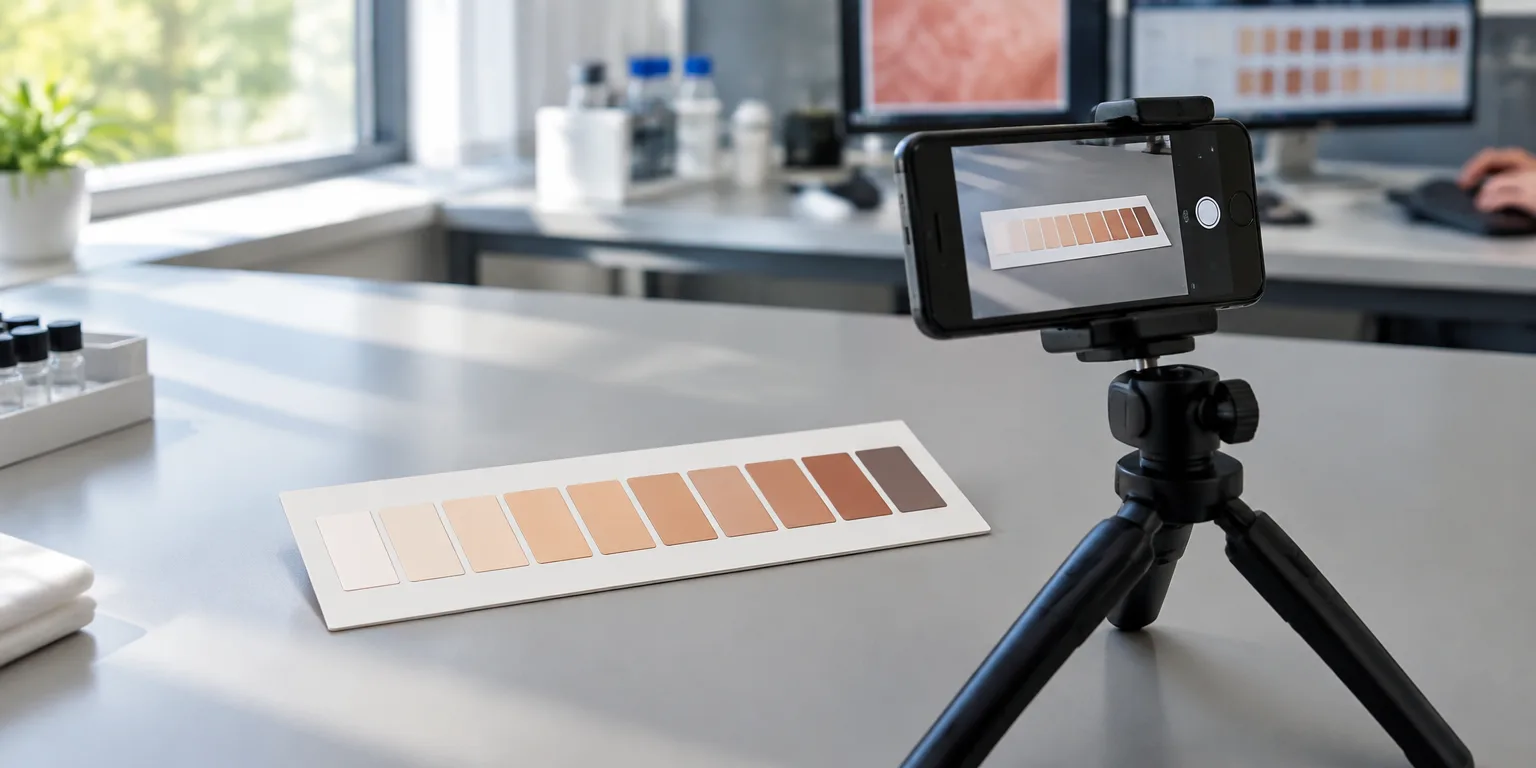
Monk had built a ten-tone scale through years of research and user interviews. Google brought that scale into its evaluations and changed how it tested products and models.
The evaluations now reflect the ten tones. Google used the ten-tone scale to improve its Pixel camera and image generation work.
Questions people ask
What was the Fitzpatrick scale originally for?
It was developed by dermatologist Thomas Fitzpatrick to classify how different skin types respond to ultraviolet light, often for sunburn risk and treatment planning. It grouped skin into six types, from very light skin that burns easily to darker skin that rarely burns. Because of that medical purpose, it was thin on darker tones.
What is the Monk Skin Tone Scale?
It is a ten-point scale developed by sociologist Ellis Monk to better represent skin tone diversity in research and technology. It was built through extensive research and interviews about how people experience and describe skin tone. Google adopted it for evaluations, and it has since been used more widely in computer vision and product testing.
How does a better scale change a phone camera?
Phone cameras make automatic choices about exposure, white balance, and color tuning. If testing only covers a narrow range of lighter tones, flaws for medium and darker tones can go unnoticed. Testing across ten tones gives engineers clearer targets and helps them tune the camera so faces look natural across the range.