Harambe’s Sperm Was Frozen for the Future
Scientists banked his genes as insurance in case gorilla numbers ever crash.
 Last Podcast On The Left · Episode 689: The Tragedy of Harambe
Harambe, the Cincinnati Zoo gorilla shot in 2016 after a child entered his enclosure, had his sperm collected after his death and frozen in liquid nitrogen for possible future use.
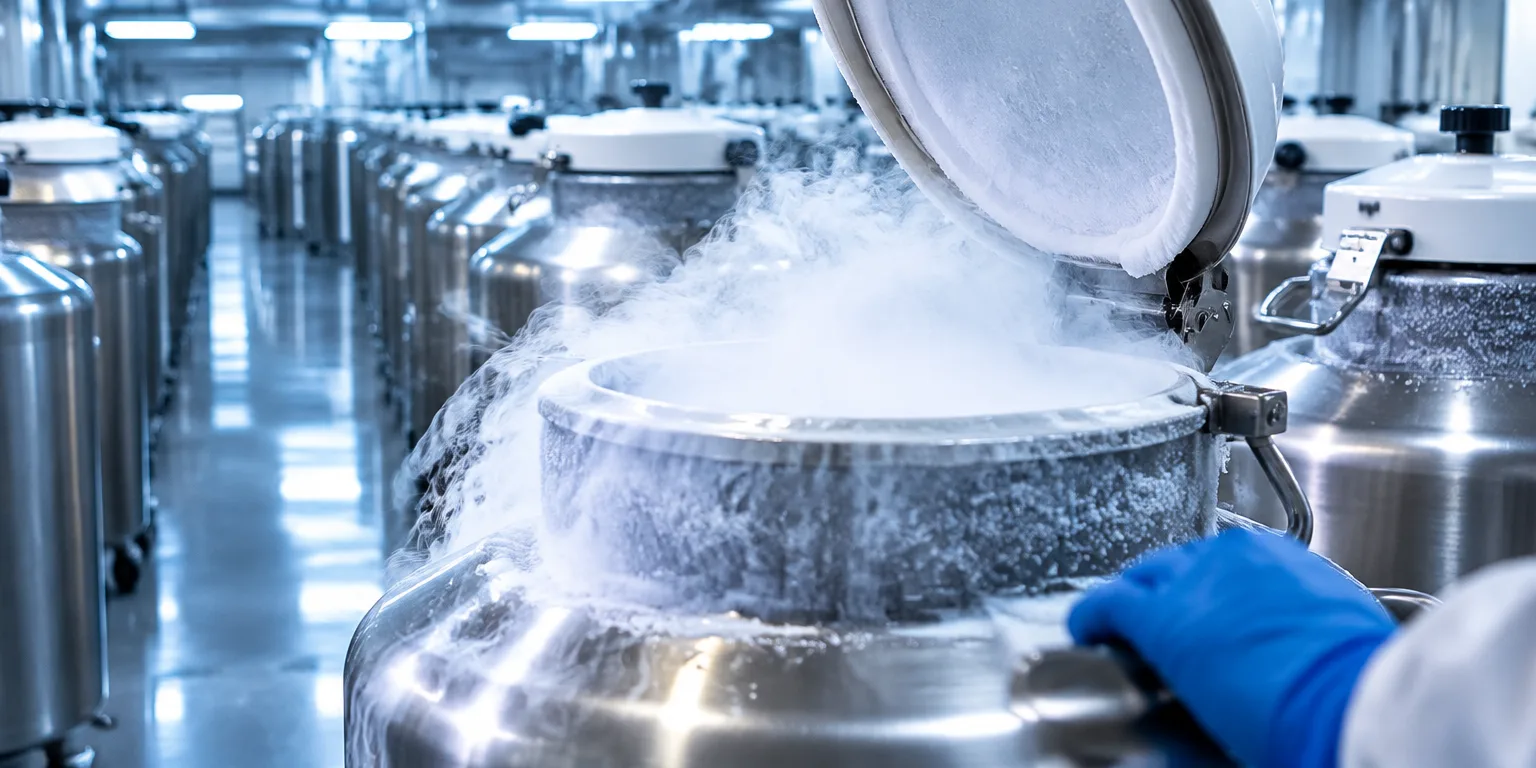
It is stored in what scientists call a frozen zoo, a cold bank for genetic material from rare and endangered animals. As of 2023, it had not been used to produce any offspring.
The idea is insurance. If gorilla numbers ever fall below a certain threshold, his genes could be drawn upon to help rebuild the population.
Adrian Zillman, a University of California, Santa Cruz physical anthropologist who studies gorillas, said his body was also retained for research because he was young, healthy, and in “prime condition.” Zillman said gorillas are normally cremated, with bones donated to museums and universities.
Questions people ask
What is a frozen zoo?
A frozen zoo is a collection of frozen cells, sperm, eggs, and tissue from rare animals, kept in liquid nitrogen at about minus 320 degrees. The best known one, run by the San Diego Zoo Wildlife Alliance, holds material from more than 12,000 animals.
Could frozen sperm actually produce a baby gorilla years later?
Yes, in principle. Scientists can thaw frozen sperm and use artificial insemination, a technique already used in several mammals. Success in gorillas is difficult, and would depend on timing, veterinary care, and having a suitable female.
How long can sperm last in liquid nitrogen?
At that temperature, almost all biological activity stops, so cells do not age in the usual sense. Samples can remain usable for decades as long as they stay frozen and the storage tank is maintained.