The U.S. Traded Protection for Oil Sold in Dollars, and Kent Says That Deal Is Loosening
Kent says sanctions pushed dollars out of circulation and the war showed Gulf partners that U.S. bases could not stop attacks.
 The Shawn Ryan Show · #356 Joe Kent - Susie Wiles, Stephen Miller, Midterms and the AIPAC Problem
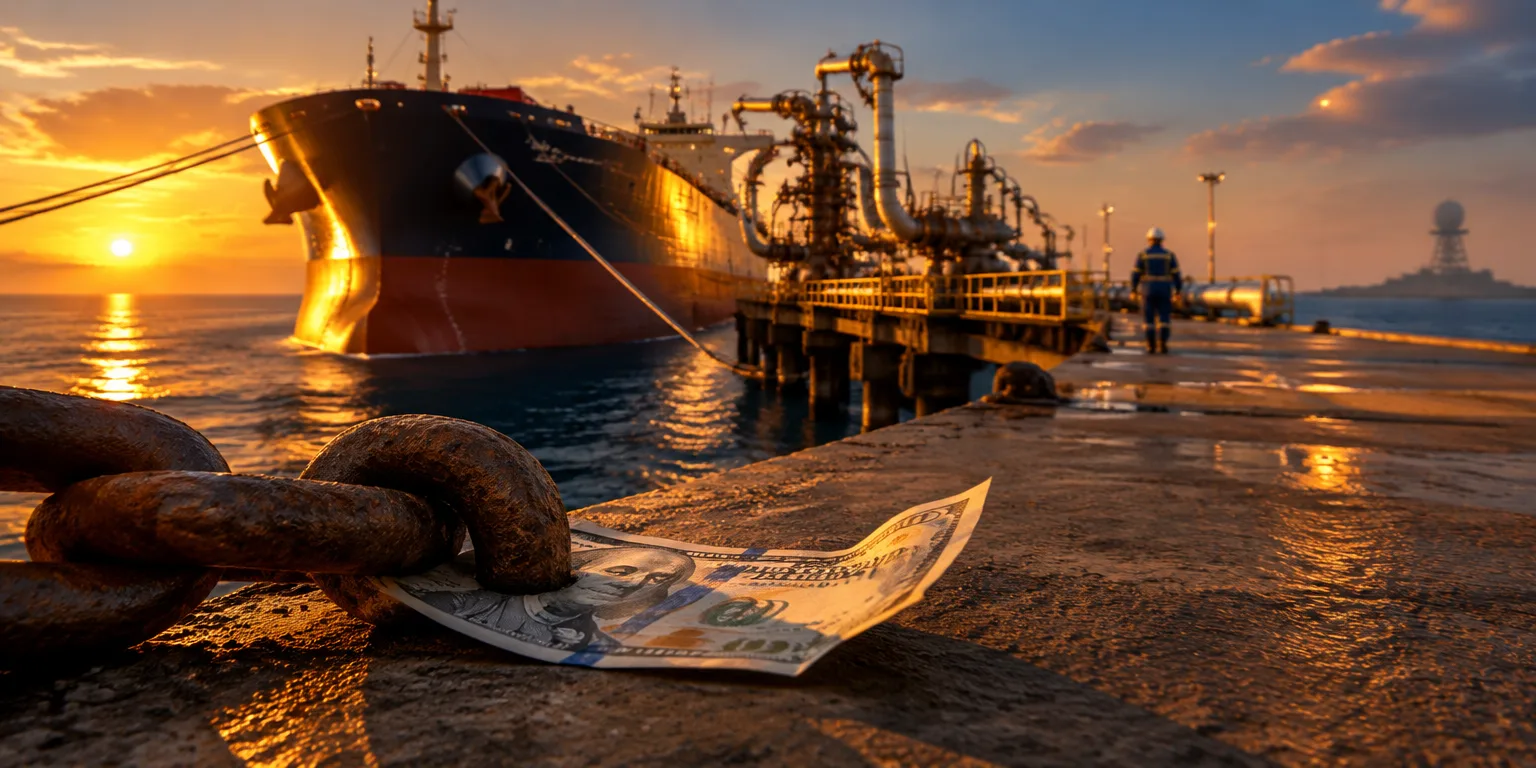
For decades, the Gulf bargain was simple, according to Joe Kent, a critic of U.S. involvement in the Iran war.
In Kent's description, America placed military bases in the backyards of Gulf producers and promised security. In exchange, those producers sold their oil in dollars, giving Washington a share of the transactions.
Kent says those Gulf security arrangements dated to the postwar years and the rise of large-scale oil trade. He sums up the old result with the line, "Everybody's happy."
The loosening started with sanctions, in his account. When Washington sanctioned major energy producer Russia and removed it from dollar dealings and the SWIFT banking network, buyers still wanted Russian energy.
So Russia kept selling, Kent argues, while fewer dollars circulated in the world system. He says that added to U.S. inflation and hurt Americans rather than delivering a death blow to Moscow.
The Iran war then shook the other half of the deal, protection, Kent says. He argues Iran can block or disrupt tanker traffic with little difficulty in the Strait of Hormuz, the narrow waterway Gulf oil must pass through.
In his telling, Iranian drones and ballistic missiles dismantled U.S. bases and struck Gulf energy infrastructure that the U.S. had promised to protect.
Kent says there are occasional signs of Gulf states cutting side deals with Iran, what he calls "glimpses ... every now and again." He claims the Emiratis and Qataris paid under the table to move oil through the Strait of Hormuz.
He also says China is settling some transactions in yuan rather than dollars.
If safety is gone, Kent argues, the reason to keep selling exclusively in dollars fades with it.
Questions people ask
What exactly is the petrodollar?
It is the practice of pricing and selling oil in U.S. dollars. Kent describes the bargain as Washington providing security while producers sell in dollars, saying Washington gets cut in on the transactions.
Why does the Strait of Hormuz matter so much?
It is a narrow waterway between Iran and the Arabian Peninsula. Much of the oil exported by Saudi Arabia, the United Arab Emirates, Qatar, and others must travel through it by tanker, so a closure or harassment can raise fuel prices quickly.
What is the SWIFT system mentioned in sanctions on Russia?
SWIFT is a messaging network that banks use to send secure payment instructions across borders. Cutting a country off does not block all trade, but it makes dollar payments much harder and pushes buyers and sellers toward other currencies or workarounds.