Johnson Traded a Dam and Union Rules to Pass a Weak Civil Rights Law
The 1957 bill was weak by design, and that was what let it survive.
 Dwarkesh Podcast · What I learned about power from LBJ and Robert Moses
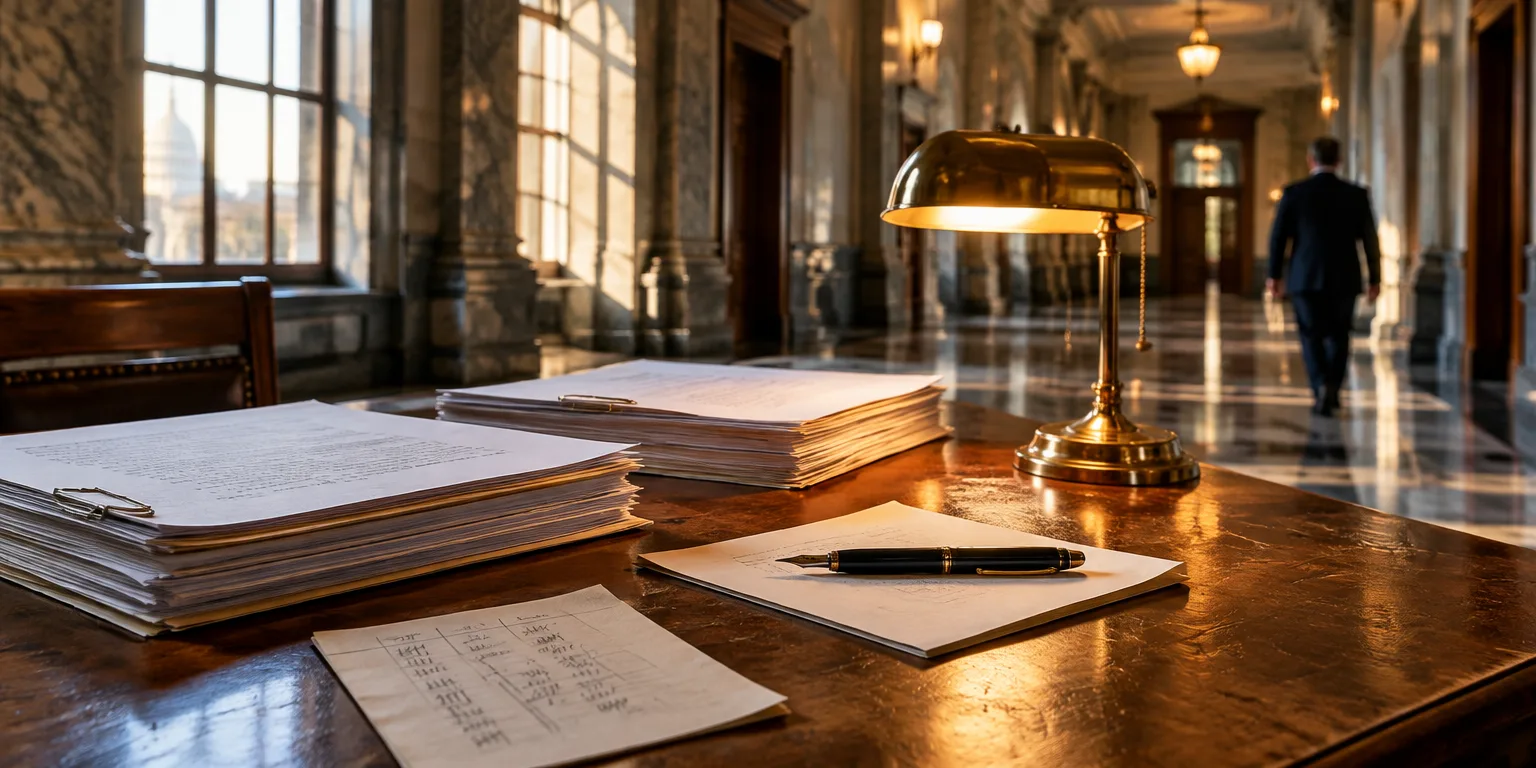
Lyndon Johnson spent his days pacing the Senate cloakroom and hallways, cajoling colleagues and listening for what each one wanted.
Johnson, the Senate majority leader with White House ambitions, knew his problem in plain numbers. As a Southerner with a history of opposing civil rights measures, he saw no path to his party's presidential nod in 1960 unless he got any civil rights measure through in 1957, even a weak one.
Over seven months, he built a deal around unrelated favors that let a divided Senate pass the measure without triggering a Southern filibuster, the tactic of talking endlessly to block a vote.
The deadlock was over who would decide court cases in which Southern election officials were accused of keeping Black citizens off the voting rolls. Senators from the South demanded that juries decide those cases.
Northern senators said that demand would gut the law. In Southern states, jurors had to be registered voters, so a jury of only white voters was highly unlikely to convict a white voting official for blocking Black voters.
Any version strong enough for the North was unacceptable to the South, and vice versa. Johnson, who kept aides tracking every committee draft and every senator, traded a vote on one bill for a vote on another.
Western senators, who had wanted a federal dam between Idaho and Oregon for years, got a vote on it. Midwestern Republicans, with powerful railroad unions in their states, got jury-trial rights extended to striking workers.
Moderates got a provision opening federal jury service to Black Americans, which let them tell voters back home they had added a fresh protection. At the same time, the jury-trial safeguard for Southern officials remained, leaving the measure diluted enough that Southerners let it proceed without a block.
A dam, union rules, and jury provisions had no link to Southern voting rights and were included only because they won votes. He left the cloakroom with a deal both sides could accept.
Questions people ask
What is a filibuster?
A filibuster lets senators delay or block a vote by refusing to stop debating. At the time, Southern senators could use it to kill any civil rights measure, so Johnson needed a bill weak enough that they would let it come to a vote.
What did the 1957 law actually do?
It was the Civil Rights Act of 1957, focused on voting rights. It created new federal tools to protect Black voters, but the jury-trial compromise made enforcement difficult in the South.
Did Johnson pass stronger civil rights laws later?
He went on to win the presidency and pushed through far stronger laws. The Civil Rights Act of 1964 and the Voting Rights Act of 1965 barred segregation and gave the federal government much stronger power to protect Black voting rights.