Speed Made Robert Moses Too Popular to Fire
He delivered parks and pools before voters went to the polls, and made mayors afraid to accept his resignations.
 Dwarkesh Podcast · What I learned about power from LBJ and Robert Moses
At a New York playground opening, children nudged by their parents shouted, “Appreciate Mr. Moses! Mr. Moses! Mr. Moses!” as biographer Robert Caro described the scene.
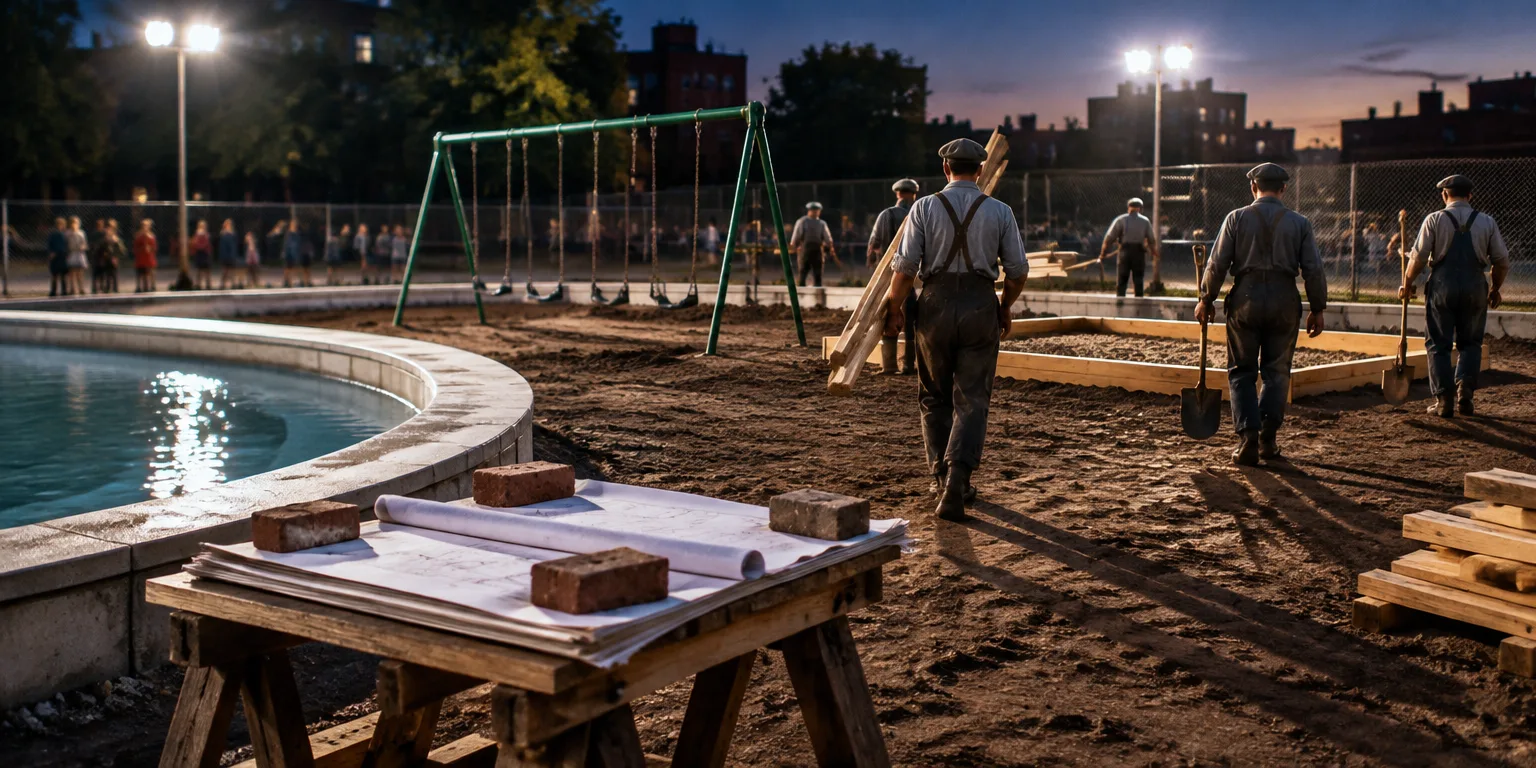
The man they praised was Robert Moses, New York City's park commissioner. In his first four months he put men on day-and-night shifts and restored 1,700 parks and playgrounds, with no hint he took money for himself.
That pace became his armor. He built giant projects voters liked quickly enough that a mayor who approved them could attend the ribbon cutting before running again.
The contrast is stark today. Work on the Second Avenue subway started in 1972, and the initial stretch opened in 2017, with those first two miles costing taxpayers $4.5 billion.
Moses also controlled unmatched expertise. He led the country's most capable group of planners and civil engineers, with drawings finished when federal aid appeared. By 1936, New York secured one-seventh of national dollars reserved for Depression job creation, all directed to his selections.
Mayors therefore faced a narrow option. If City Hall favored other work, it had no separate specialists to produce rival blueprints, so leaders could accept his program or finish their terms with little to show.
Instead of fearing dismissal, Moses often offered to leave. One aide to Mayor Wagner said, “it seemed like he was resigning about one thing or another about twice a day.”
His clashes with Mayor LaGuardia were so frequent over minor disputes that LaGuardia's lawyer ordered ready-made slips reading, “I, Robert Moses, do hereby resign as so-and-so,” so Moses would not need to draft a fresh letter.
Behind the humor lay serious risk for City Hall. Accepting Moses's resignation would halt active building and strand its dedicated funds, while starting an open clash with New York's most admired public servant.
Moses had also courted publishers for years, visiting often at the country house of the Sulzberger family, owners of The New York Times. A mayor expected the morning editions to depict a selfless civic builder pushed aside by a selfish officeholder unwilling to defend what was best for the city.
Questions people ask
How was it physically possible to renovate 1,700 parks in four months?
Largely with relief labor and ready-made plans. During the Depression, Washington paid for workers if cities could start quickly, and Moses had designers, engineers, and standardized playground layouts waiting. He put large crews on around-the-clock shifts and opened sites in batches.
Did any mayor ever call his bluff and let him quit?
Almost never. Mayors usually backed down because losing Moses meant losing projects, federal money, and public support. He stayed as parks commissioner until 1960 and kept his powerful toll-road post until 1968, when the governor folded it into a new transit agency.
Was newspaper coverage the main reason he stayed in power?
Yes, his popularity was useful at first, but it was not only publicity. Fast construction let elected officials claim credit before reelection, and banks, unions, lawyers, and political groups all earned money or jobs from his projects. That broad coalition gave him protection even when newspapers turned critical.