Johnson's Persuasion Worked Because He Controlled Careers and Laws
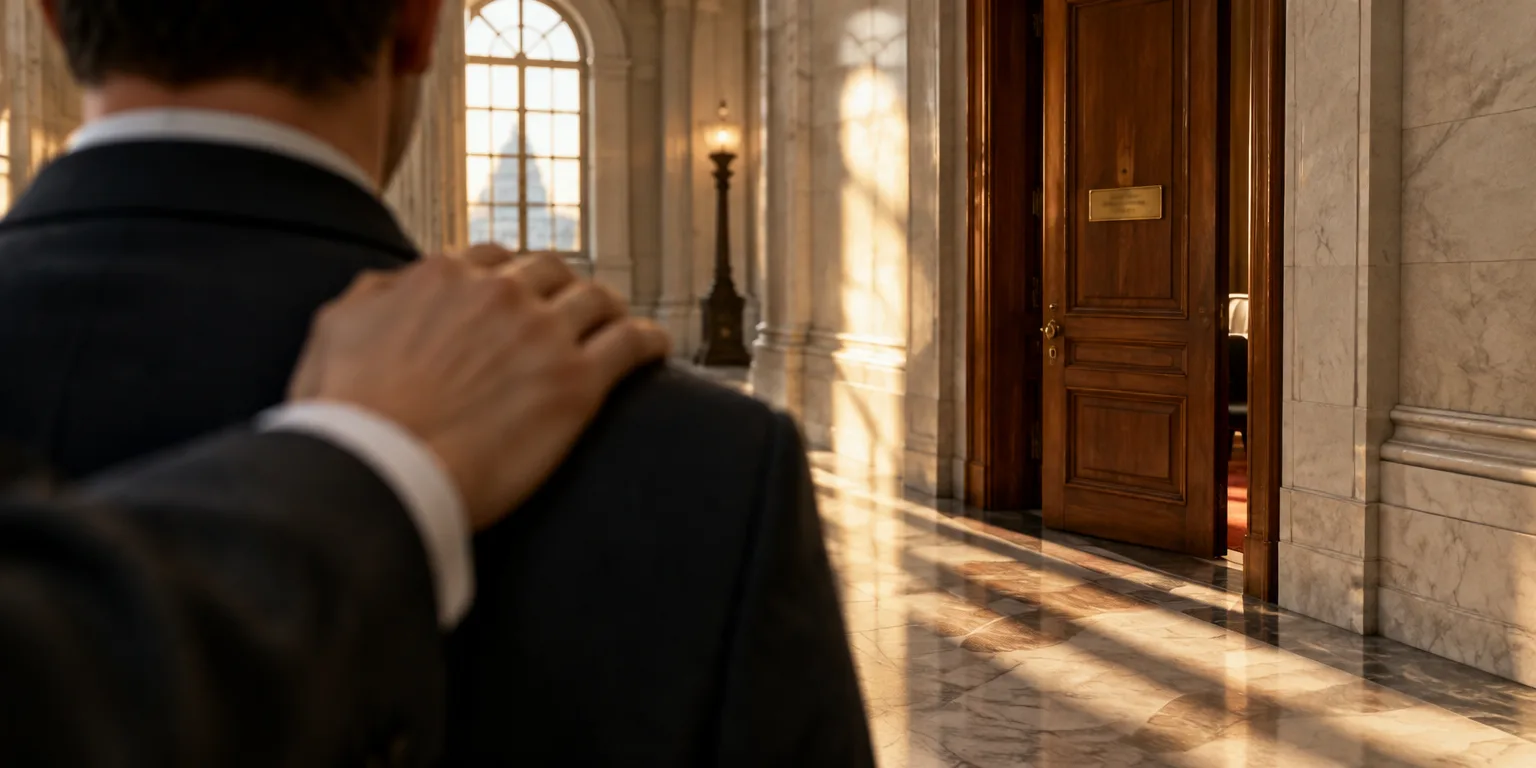
Biographer Robert Caro says the famous arm around the shoulder worked because senators knew he could grant committee seats and move laws.
 Dwarkesh Podcast · What Robert Caro learned about power after studying it for 50 years
Lyndon Johnson's famous warmth worked as persuasion because senators knew he controlled two things they needed: committee assignments and the fate of laws they wanted passed. To refuse him was to risk both.
Biographer Robert Caro, who spent decades tracing Johnson's rise through the Senate, sums up the point in a single line: "Behind his persuasion was the power."
When Johnson asked a senator for a vote, the senator might disagree and want to refuse. But he knew that a prized committee assignment, the kind of post that shapes a senator's influence, depended on Johnson, who could grant it or deny it.
The same senator might also want a law of his own passed, and knew Johnson could help move it forward or keep it from ever coming to a vote.
Requests from Johnson often carried that pressure along with the argument on the merits. In Caro's account, senators listened knowing what Johnson could do for them or to them.
When Johnson put his arm around a colleague and leaned in close, the effect came from more than personal charm. It was charm backed by control over careers and legislation.
Questions people ask
What was the Johnson Treatment?
It was Johnson's famously intense, in person style of persuasion. He would move very close, touch a colleague's arm or lapel, make constant eye contact, and keep talking until the other person gave in.
Why does a committee assignment matter so much in the Senate?
Committees are where most Senate work happens, deciding which bills advance and in what form. A seat on a powerful committee gives a senator influence, attention, and results to show voters, so control over those seats is control over careers.
What Senate job gave Johnson this leverage?
Johnson was Senate majority leader in the 1950s, the top position in the majority party. That role gave him wide influence over scheduling, committee assignments, and which measures moved, which is the leverage Caro describes.