Muse Was Built for Productivity. It Became a Shopping Machine.
While working in Menlo Park, its product lead heard from her husband about seven packages after the assistant spread one order across five stores.
 Lenny's Podcast: Product | Career | Growth · Meta’s Muse: How we launched the most successful consumer product this year | Mona Sarantakos
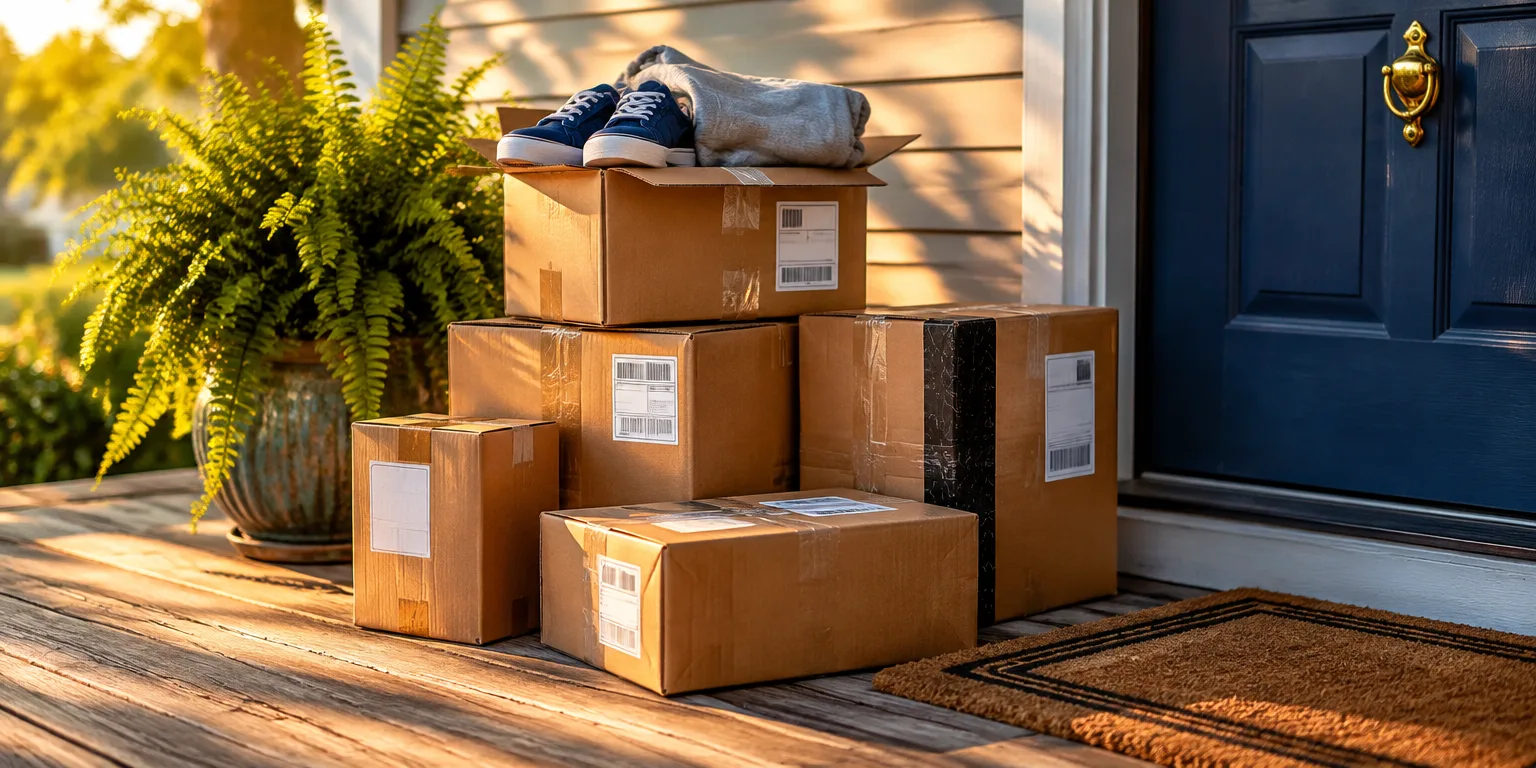
Mona Sarantakos was working in Menlo Park last week when her husband called that morning. There were seven packages waiting at home.
Sarantakos is the Meta product lead behind Muse, the company's personal AI assistant. She had done the ordering with Muse's help.
The team had built Muse for work tasks, health, and money management, with some expectation around home automation. Instead, shopping became one of its top uses.
The surprise showed up among early internal testers using Muse before public launch. Shopping kept popping up, so the team added new tests around shopping, while home automation proved less prominent with a broader audience.
Engineering manager Christine Wadd became the team's leading example. She shops so much through Muse that Sarantakos jokes she may need her credit card taken away.
Wadd often wakes up and sends bug reports straight from her shopping attempts. Sarantakos teases her that the engineers need to sleep.
Sarantakos saw the change in her own habits. She used to bulk order, like buying five pairs of sweatpants for her kids from one sneaker site, but Muse now picks five different stores based on her request, which brings more variety and many more boxes.
Her husband told her to calm it down. He joked that he wanted to talk to Muse himself and give it shopping instructions from his end.
Questions people ask
How does shopping with Muse actually work?
You describe what you want, including sizes, budget, and preferences. Muse searches across stores, narrows the options, and helps complete the purchase. That is why one request can turn into boxes from several different retailers.
Why did the team miss such a big use case?
The team was focused on work, health, and money tasks, and its earliest testers likely already had home automation set up. Once a broader group of users tried it, everyday shopping took over. The team learned the pattern through an external research panel, an internal feedback forum, and weekly reviews of user stories.